
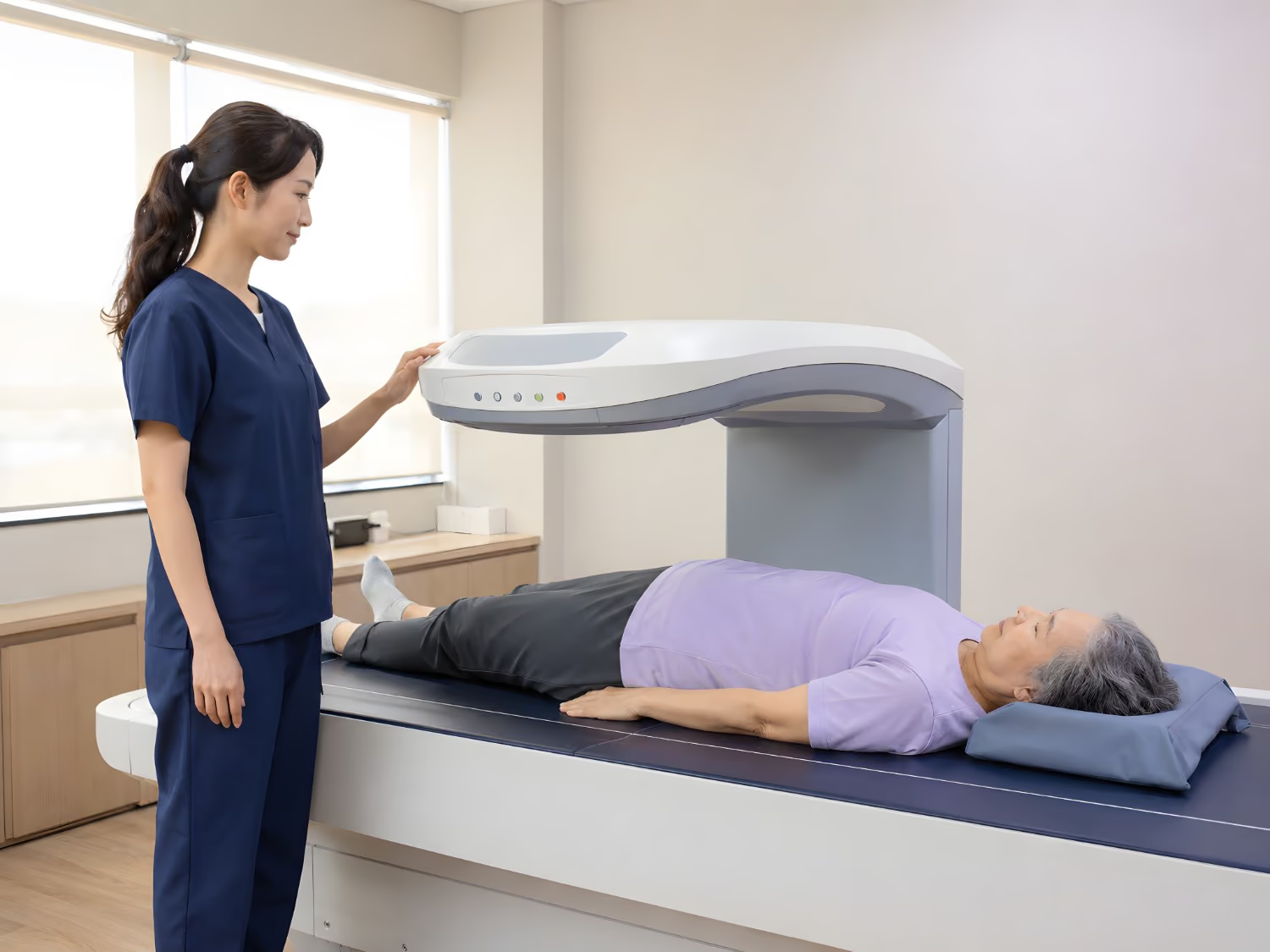
Body Composition Scans in New Jersey
The number on a bathroom scale tells you how much you weigh, but it does not tell you what makes up that weight. Two people can have the same body weight while having very different amounts of body fat and lean tissue.
Body composition scans provide a more detailed look at the makeup of your body. At Healthy Aging Medical Centers, body composition assessment can help provide additional information when evaluating weight management, fitness goals, metabolic health, and changes occurring over time.
Rather than focusing on weight alone, body composition testing can help you and your healthcare provider look at changes in fat and lean mass as part of a broader health assessment.
What Does a Body Composition Scan Measure?
Body composition testing near you is designed to estimate different components of your body rather than reporting only total weight.
Depending on the type of scan or technology used, measurements may include:
- Total body fat
- Lean body mass
- Fat mass
- Regional distribution of body fat
- Muscle or lean-tissue measurements
- Changes in body composition over time
The exact measurements and accuracy depend on the technology being used. Your provider can explain what your specific scan measures and how the results should be interpreted.
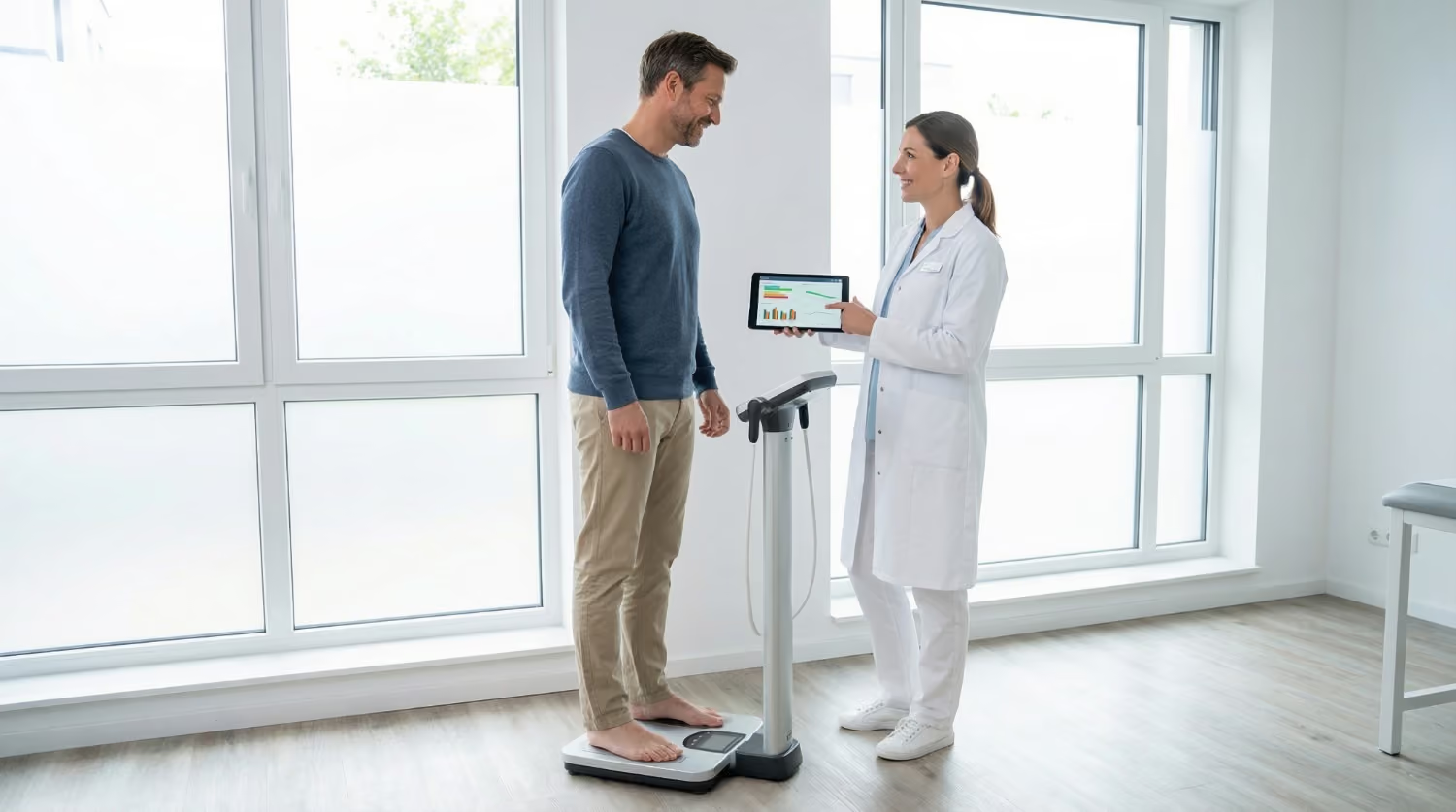

Why Look Beyond the Scale?
Body weight can change for many reasons. A change on the scale does not necessarily mean that you have gained or lost the same amount of body fat.
For example, someone following a strength-training program may maintain a similar body weight while gaining lean tissue and reducing fat. Conversely, rapid weight loss can sometimes involve loss of lean mass as well as fat.
Looking at body composition can therefore provide additional context when evaluating changes in your body.
This can be particularly useful during a medically supervised weight-management program, where maintaining lean mass may be an important consideration.
Who May Benefit From Body Composition Testing?
Body composition assessment may be useful for adults who want more information than a standard weight or BMI measurement can provide.
Your provider may consider body composition testing if you are:
- Working toward a weight-management goal
- Tracking changes during a weight-loss program
- Interested in maintaining lean mass while losing weight
- Beginning or adjusting an exercise program
- Monitoring changes associated with aging
- Evaluating progress beyond the bathroom scale
- Interested in establishing a baseline for future comparison
A scan is not necessary for everyone, and the usefulness of testing depends on your individual goals and medical circumstances.
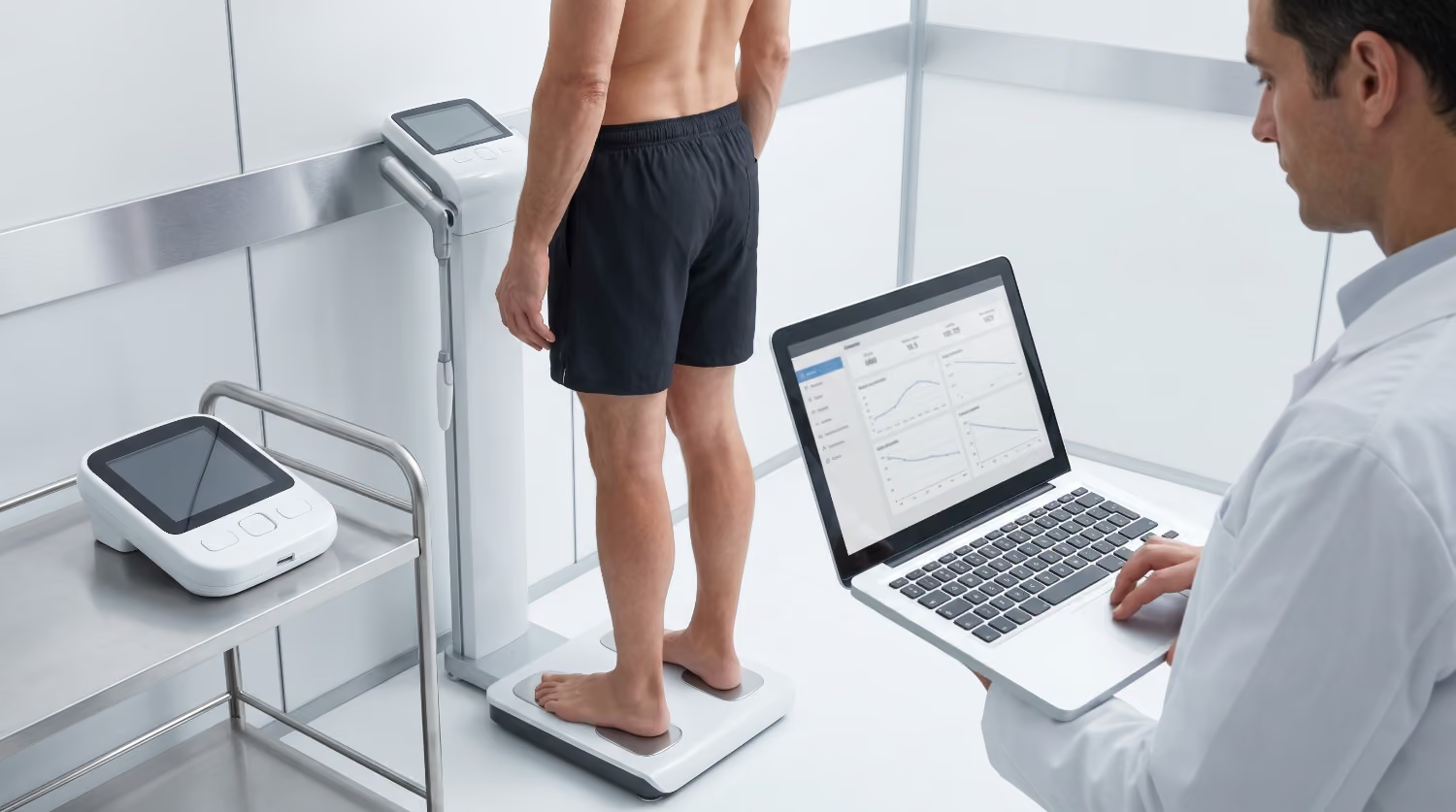
How Body Composition Scans Fit Into Weight Management
Look Beyond the Scale
Weight management is not simply about making the number on the scale smaller.
A medically guided approach may also consider whether changes in weight are accompanied by changes in body fat, lean tissue, waist measurements, metabolic markers, activity levels, and other measures of health.
Understand Body Composition
Body composition results can provide another piece of information when evaluating your progress.
Put Your Progress in Context
For example, if your weight changes only modestly but your body-fat measurement changes, that may provide different information than the scale alone. Likewise, significant weight loss accompanied by a substantial reduction in lean mass may prompt a conversation about nutrition, protein intake, resistance exercise, or other aspects of your plan.

What Happens During a Body Composition Scan?
The process depends on the type of body composition technology used at the practice.
Before testing, your healthcare team may explain how to prepare and what measurements will be obtained. The scan itself is generally designed to provide information about your body composition without requiring an extensive appointment.
After the assessment, your provider can review the results with you and explain what they may mean in the context of your overall health and goals.
A single measurement provides a snapshot. Repeated measurements performed under reasonably consistent conditions may be more useful for tracking changes over time.
Understanding Your Body Composition Results
Body composition numbers should not be interpreted in isolation. Factors such as hydration, recent food intake, exercise, testing conditions, and the technology used can influence measurements. Different devices also use different methods to estimate body composition, so results from one type of test should not automatically be compared with results from another.
Your provider can help put the numbers into context rather than treating one measurement as a definitive assessment of your health.

Patient Testimonials


.svg)
Explore Your Options Weight Loss & Metabolic Health in New Jersey With a Medical Team
Body Composition Testing and Healthy Aging
Changes in body composition are a normal part of aging, but maintaining physical function and lean tissue can become increasingly important as adults get older.
For patients focused on healthy aging, body composition measurements may provide useful information alongside other aspects of health, such as strength, physical activity, nutrition, metabolic markers, and overall function.
The purpose is not simply to chase a particular body-fat percentage. Instead, the information can help your healthcare team understand changes occurring over time and determine whether additional evaluation or adjustments to your health plan may be appropriate.
Track More Than Your Weight in New Jersey
Healthy Aging Medical Centers serves patients throughout New Jersey with locations in Whippany and Hazlet. Body composition assessment may be incorporated into a broader approach to weight management and healthy aging when clinically appropriate.
Whippany, NJ
91 S Jefferson Rd Whippany, NJ 07981
Hazlet, NJ
155 Middle Rd Hazlet, NJ 07730
If you want a clearer picture of how your body is changing, ask the medical team whether body composition testing could provide useful information beyond your weight and BMI.
Frequently Asked Questions About Body Composition Scans
A body composition scan is an assessment designed to estimate components of your body such as fat mass and lean mass. The specific information provided depends on the technology used.
No. BMI is calculated from height and weight and does not directly measure body fat or lean tissue. Body composition testing can provide additional information about what makes up your body weight.
Depending on the technology used, body composition testing can provide an estimate of lean or muscle-related mass. These measurements should be interpreted according to the specific testing method.
It can provide additional information during a weight-management program by showing changes in fat and lean mass rather than relying exclusively on body weight.
There is no universal testing schedule. The appropriate interval depends on your goals, the type of technology used, and how your healthcare provider plans to monitor changes.
Yes. Body fat and lean mass can change independently, so two people—or the same person at different times can have similar body weights but different body compositions.
No measurement method is perfect. Results are estimates and can be affected by the technology and testing conditions. For this reason, trends measured using the same method under similar conditions can often be more useful than focusing on a single number.
Not necessarily. BMI and body composition provide different types of information. Your healthcare provider can determine which measurements are useful for your particular health goals.
Healthy Aging Medical Centers has locations in Whippany and Hazlet, New Jersey. Ask the medical team whether body composition testing is appropriate for your health and weight-management goals.
LEARN MORE ABOUT HEALTHY AGING




OUR LOCATIONS
With locations in Whippany, Hazlet, and Miami, we provide personalized medical, wellness, longevity, and aesthetic care designed around your individual health needs.
Healthy Aging + Private Concierge Medicine

