
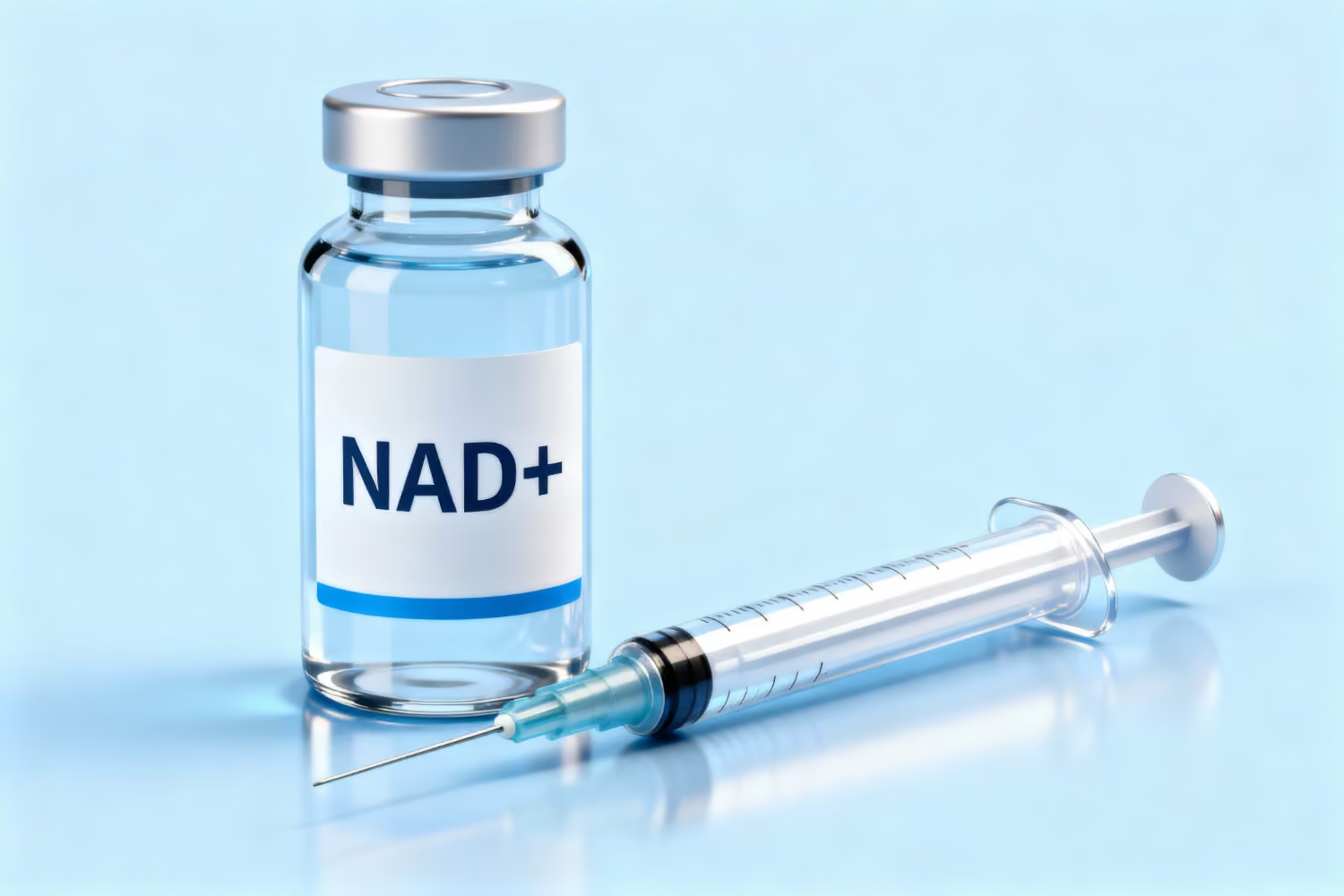
NAD+ Injections in New Jersey
NAD+ has become increasingly discussed in wellness and longevity medicine, particularly among adults interested in cellular health, healthy aging, and metabolic function. NAD+, short for nicotinamide adenine dinucleotide, is a molecule naturally found in the body and involved in essential cellular processes.
Because NAD+ participates in energy metabolism and other biological pathways, interest has grown around NAD+ supplementation. However, research on injectable NAD+ for wellness, anti-aging, fatigue, and other commonly promoted uses is still developing.
At Healthy Aging Medical Centers, NAD+ treatment should begin with a medical discussion about your health, goals, existing conditions, medications, and whether this type of therapy is appropriate for you.
What Is NAD+?
NAD+ is a coenzyme found throughout the body's cells. It plays an important role in processes involved in:
- Cellular energy metabolism
- Redox reactions
- Mitochondrial function
- DNA repair and cellular signaling
NAD+ levels and metabolism can change with age and in association with various physiological conditions. This has led researchers to investigate whether influencing NAD+ metabolism could have potential health applications.
However, the fact that NAD+ is important to normal cellular function does not by itself establish that injectable NAD+ supplementation will improve health or slow aging in otherwise healthy adults.
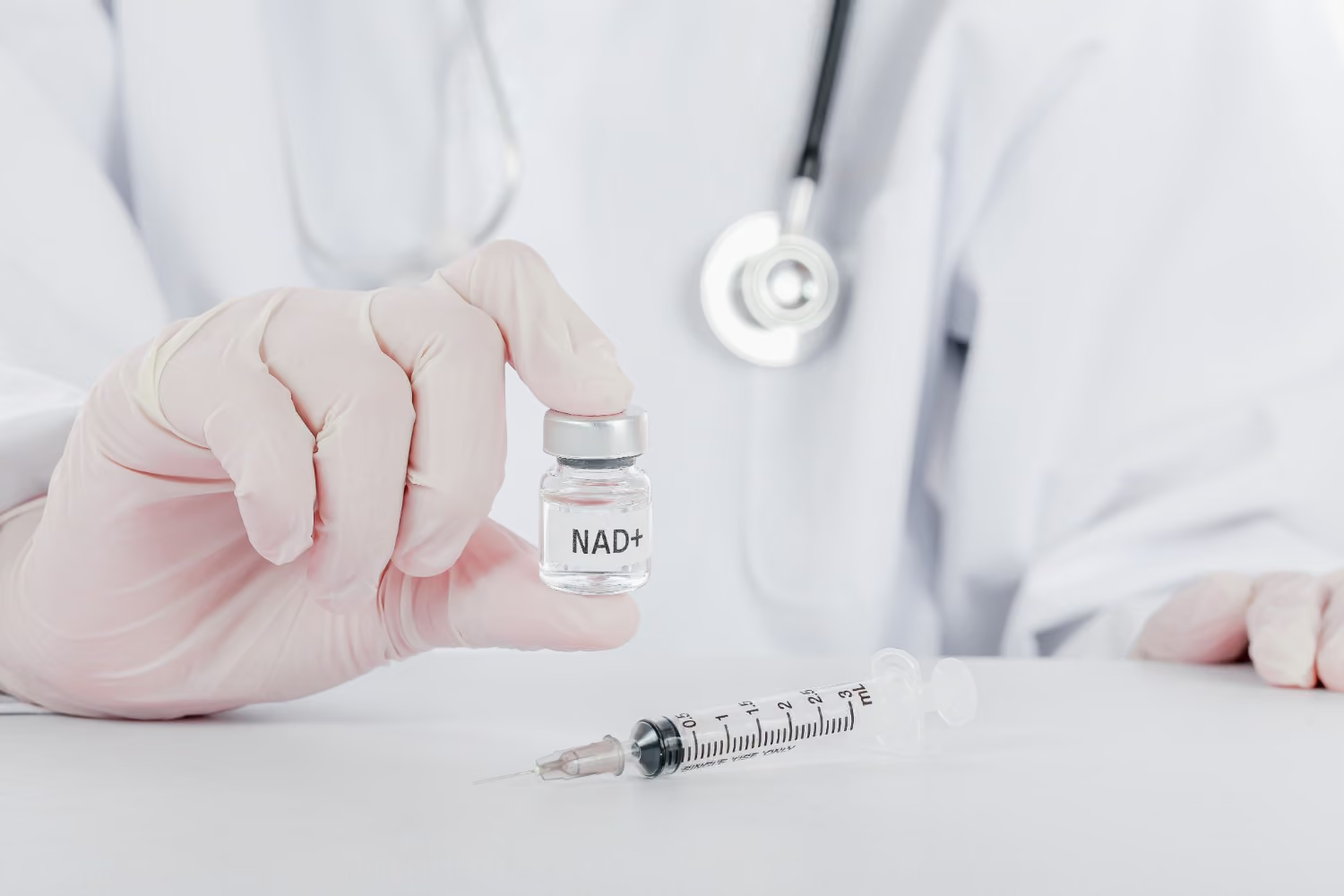

Why Are People Interested in NAD+ Injections?
NAD+ injections are commonly discussed in wellness and longevity settings.
Patients may ask about them in connection with:
- Energy and fatigue
- Healthy aging
- Metabolic wellness
- Cellular health
- Recovery
- Cognitive or mental performance
- General wellness
These are different from established medical indications. Many of the claims surrounding NAD+ therapy are based on biological research, early clinical studies, or wellness experiences rather than definitive evidence that injections provide a particular benefit for every patient.
A medical evaluation can help determine whether there is an underlying health issue contributing to your symptoms before considering NAD+ therapy.
How Does NAD+ Work in the Body?
NAD+ participates in numerous biochemical reactions. One of its best-known roles is helping cells convert nutrients into usable energy. NAD+ also participates in cellular signaling and processes involved in maintaining and repairing DNA.
NAD+ exists in a dynamic cycle with related molecules such as NADH. The balance between these forms is important for normal cellular metabolism.
Researchers are investigating how NAD+ metabolism changes with aging and whether modifying NAD+ availability could have therapeutic applications. Much of this research is still being translated from laboratory and early clinical studies into established medical practice.

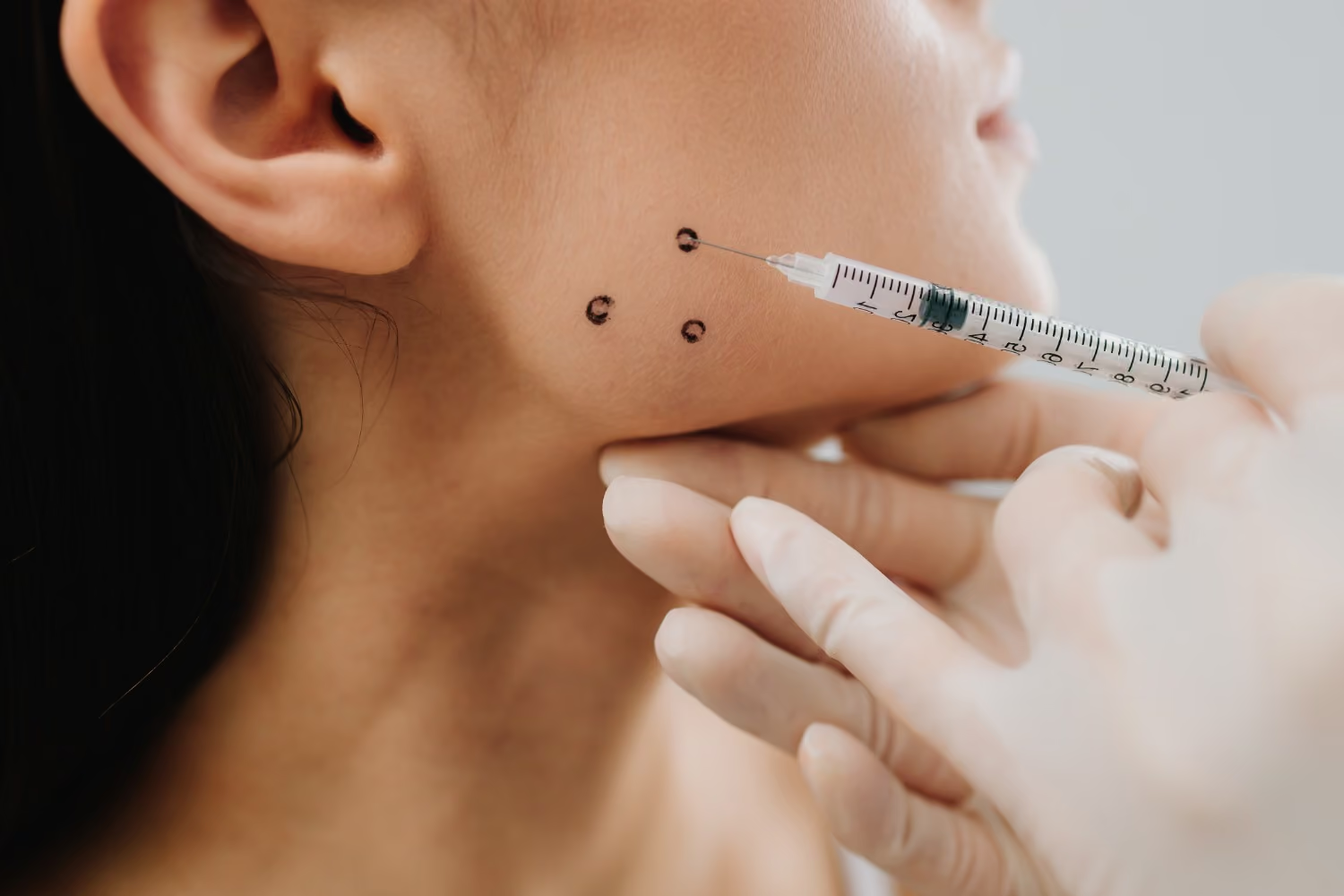
NAD+ and Healthy Aging
NAD+ is frequently promoted as an “anti-aging” therapy. The scientific interest is understandable because NAD+ is involved in cellular processes that change with age. However, NAD+ injections have not been established as a treatment that reverses biological aging or extends human lifespan.
Healthy aging involves multiple factors, including:
- Physical activity
- Nutrition
- Sleep
- Cardiovascular health
- Metabolic health
- Maintaining muscle and physical function
- Preventive medical care
- Management of chronic conditionsPhysical activity
- Nutrition
- Sleep
- Cardiovascular health
- Metabolic health
- Maintaining muscle and physical function
- Preventive medical care
- Management of chronic conditions
NAD+ therapy, when considered, should therefore be viewed within this broader context rather than as a replacement for established healthy-aging practices.
Who May Consider NAD+ Injections?
There is no universal patient profile for NAD+ injections.
Before considering treatment, your provider may review:
- Your medical history
- Current symptoms
- Prescription medications
- Vitamins and supplements
- Existing medical conditions
- Nutrition and lifestyle
- Your reasons for seeking NAD+ therapy
- Other available treatment options
Fatigue, brain fog, poor sleep, and low energy can have many causes. Depending on your symptoms, your provider may recommend evaluating factors such as sleep, nutrition, anemia, thyroid function, metabolic health, medications, or other medical conditions before attributing symptoms to NAD+ levels.
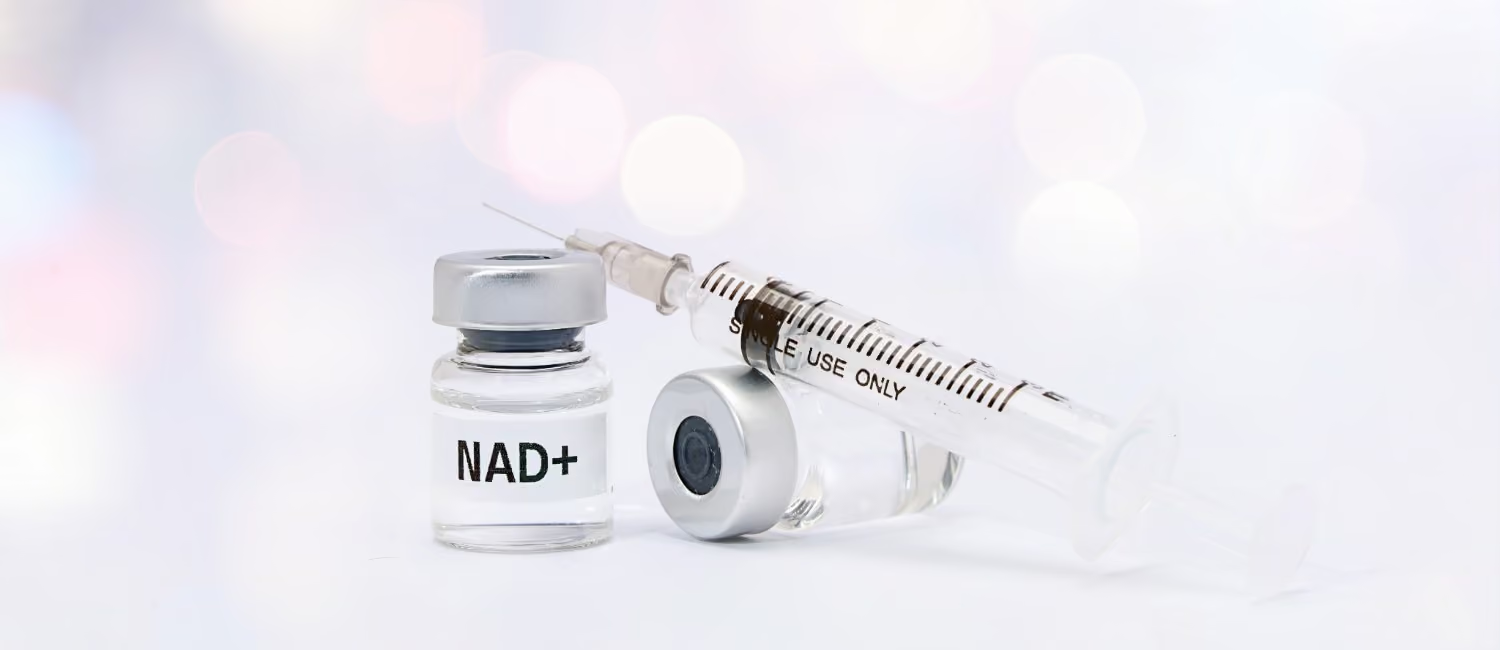

What Happens During NAD+ Injection Treatment?
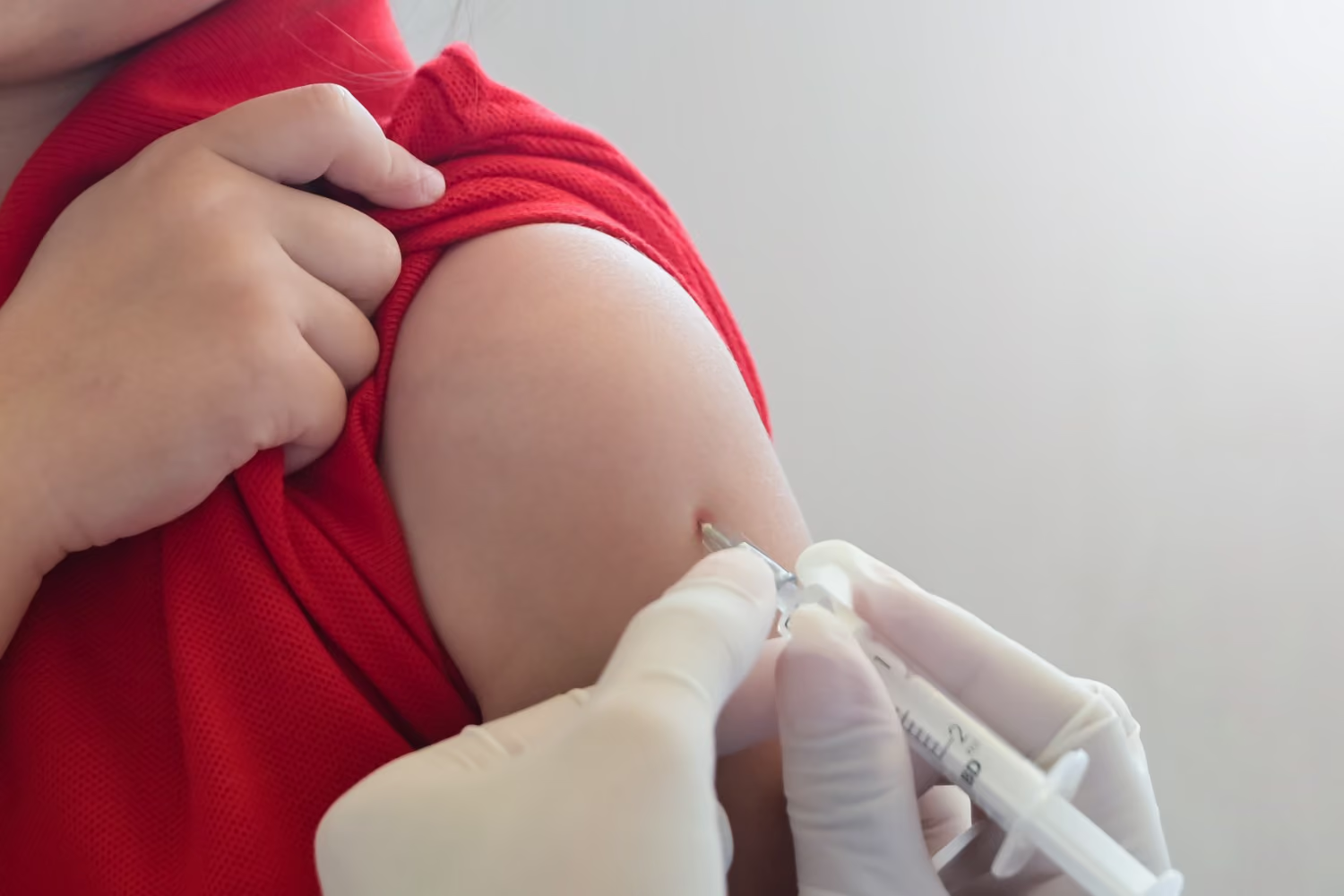
The administration process depends on the formulation and route being used. If NAD+ injections are prescribed, your healthcare provider should explain:
- How the medication is administered
- The amount being used
- How frequently treatment is provided
- What side effects to watch for
- When follow-up is appropriate
Because NAD+ formulations and compounded preparations can differ, patients should follow the instructions provided by their prescribing clinician and dispensing pharmacy.
Do not change the dose or frequency based on information from another patient or an online wellness program.
Possible Side Effects of NAD+ Injections
Safety & Individual Factors
The safety profile of injectable NAD+ depends on the formulation, dose, route of administration, preparation, and individual patient factors.
Injection & Infusion Considerations
Patients may experience injection-related discomfort or other symptoms during or after treatment. If NAD+ is administered intravenously or as part of an infusion rather than a simple injection, additional risks associated with IV administration may apply.
When to Contact Your Provider
Any unexpected or significant reaction should be discussed with your healthcare provider.
Why Product Quality Matters
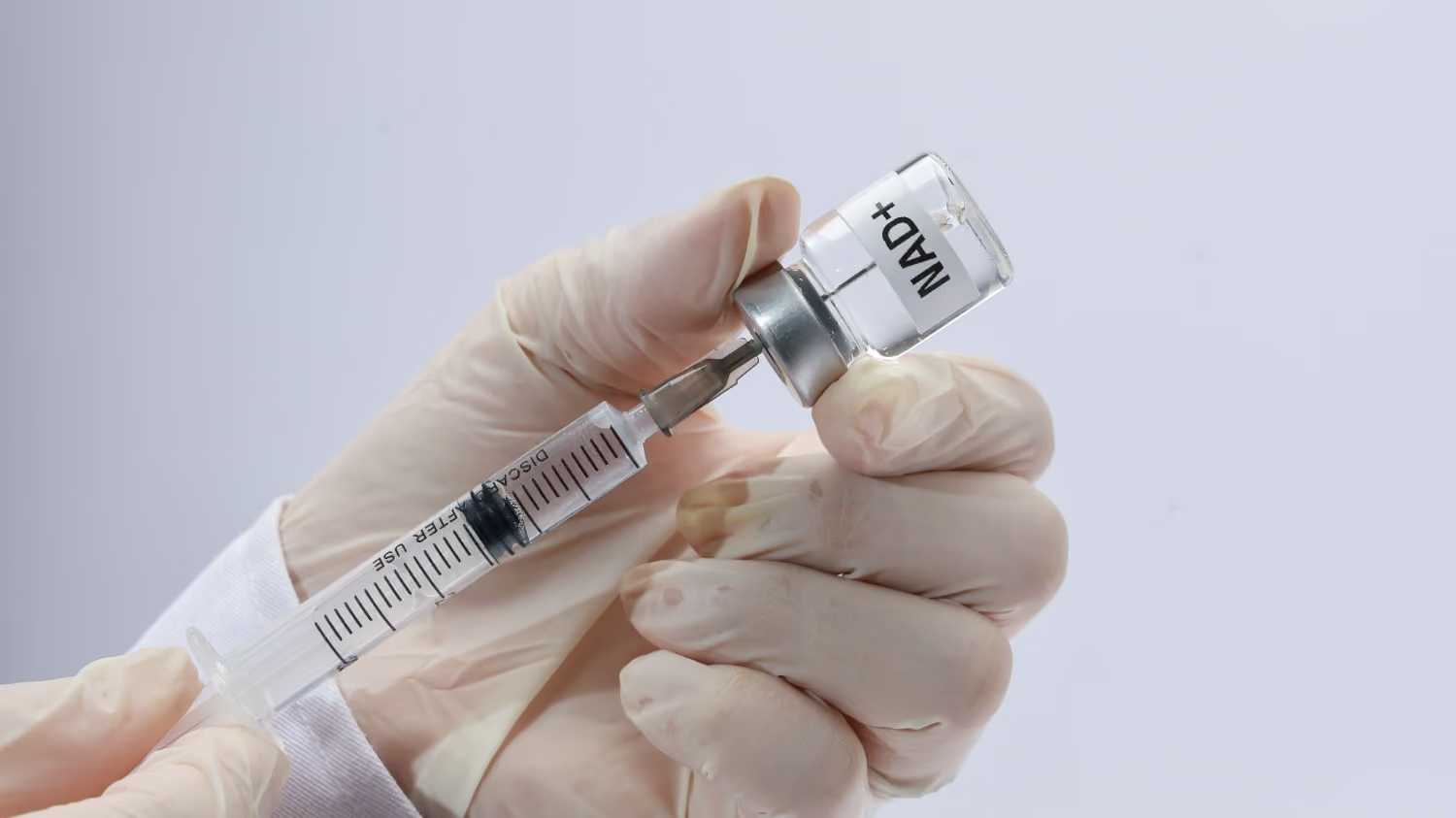
When an injectable treatment is compounded, the quality and preparation of the product are important considerations. Patients should understand whether the product is an FDA-approved medication or a compounded preparation and should know where it is being sourced and prepared.
Compounded medications can play an important role in patient care when an appropriate need exists, but they are not the same as FDA-approved drugs and are not reviewed by FDA for safety, effectiveness, and quality before marketing in the same way approved medications are.
Your provider can explain the formulation being offered and why it is being considered for your particular situation.
NAD+ Injections vs. NAD+ IV Therapy
NAD+ may be administered through different routes, depending on the treatment offered. NAD+ injections deliver the treatment through an injection, while NAD+ IV therapy delivers it directly into a vein.
These approaches should not automatically be considered equivalent. The route, formulation, dose, administration time, and potential risks can differ.
If you are considering NAD+ therapy, ask which formulation and route are being used and why that approach is appropriate for you.
Patient Testimonials


.svg)
NAD+ and Energy Levels
Because NAD+ participates in cellular energy metabolism, it is often marketed as an energy-boosting treatment. However, feeling tired does not necessarily mean that you have low NAD+ levels.
Persistent fatigue can be associated with sleep problems, nutritional deficiencies, thyroid disorders, anemia, medication effects, depression, chronic disease, and many other conditions.
If fatigue is your primary concern, identifying the underlying cause may be more useful than assuming NAD+ supplementation is the answer.
NAD+ Therapy & Longevity Care
NAD+ as Part of a Longevity Program
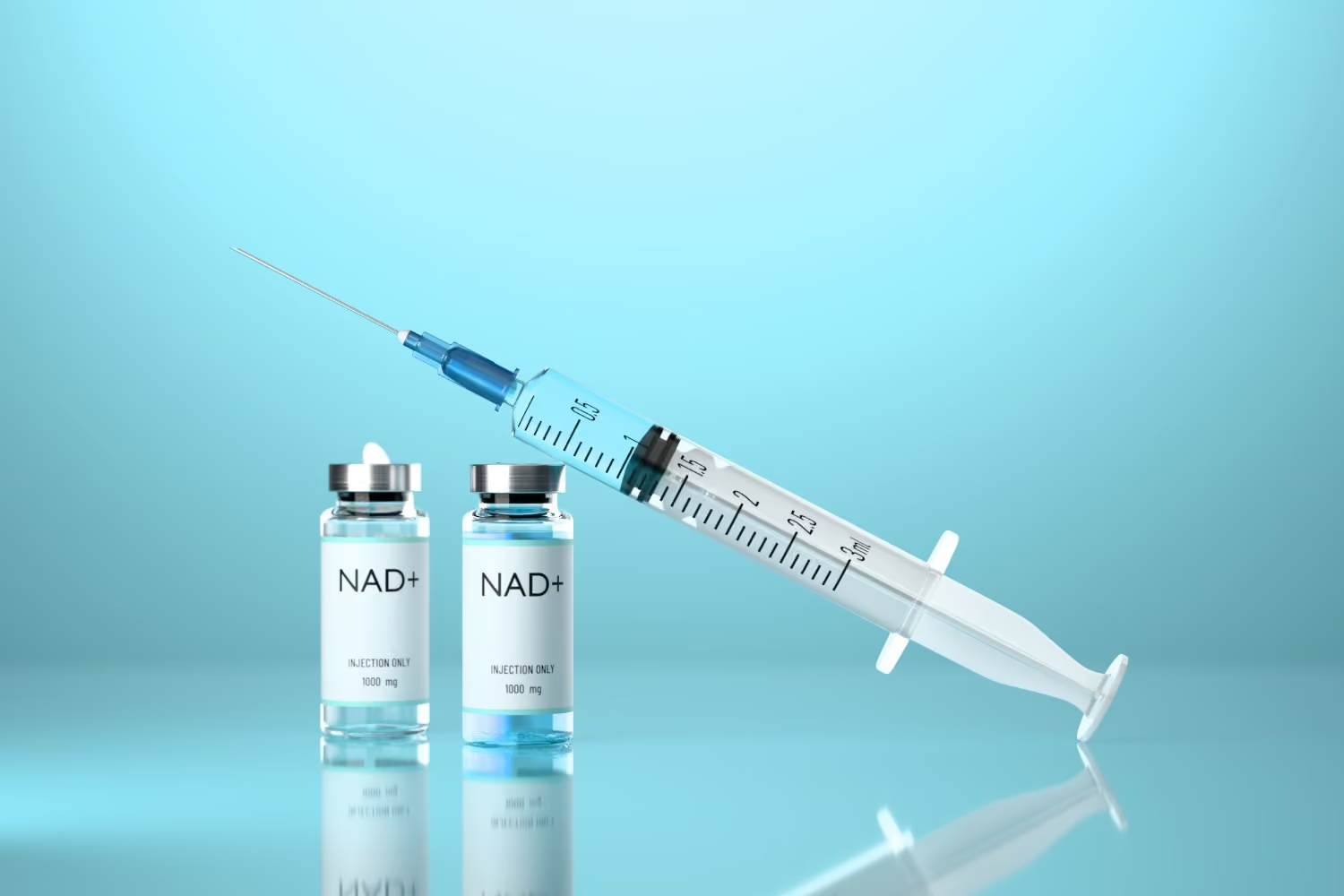
Some patients explore NAD+ therapy as one component of a broader longevity program. A medically responsible longevity plan should prioritize established health factors, including cardiovascular risk management, metabolic health, physical activity, nutrition, sleep, preventive screening, and maintaining physical function.
NAD+ research may continue to produce new findings, but emerging research should be distinguished from treatments that have already demonstrated clear clinical benefits.
Discuss NAD+ Injections Near You in New Jersey
Healthy Aging Medical Centers provides medical care focused on healthy aging, wellness, metabolic health, and related concerns for adults throughout New Jersey.
If you are considering NAD+ injections, the medical team can review your goals, health history, medications, and other factors before determining whether treatment is appropriate.
Whippany, NJ
91 S Jefferson Rd Whippany, NJ 07981
Hazlet, NJ
155 Middle Rd Hazlet, NJ 07730
The goal is to determine whether NAD+ therapy makes sense within your overall healthcare plan rather than treating it as a universal solution for aging, fatigue, or wellness.
Frequently Asked Questions About NAD+ Injections
NAD+, or nicotinamide adenine dinucleotide, is a naturally occurring coenzyme involved in cellular energy metabolism, redox reactions, DNA-related processes, and cellular signaling.
NAD+ injections are offered in some wellness and longevity settings. People may seek them for goals such as energy, healthy aging, or general wellness, but evidence for many of these uses remains limited.
There is currently no established evidence that NAD+ injections reverse human aging or extend lifespan. NAD+ is involved in biological processes associated with aging, but that does not mean supplementation has been proven to reverse those changes.
NAD+ participates in cellular energy metabolism, which is one reason it is marketed for energy support. However, fatigue has many possible causes, and NAD+ injections have not been established as a universal treatment for fatigue.
NAD+ itself should not be described as an FDA-approved treatment for general anti-aging, energy, or longevity purposes. The regulatory status depends on the specific formulation and product being used. Your provider should explain whether a treatment is an FDA-approved medication or a compounded preparation.
Safety depends on the formulation, dose, route, preparation, and individual health factors. Injectable treatments can also involve administration-related risks. Discuss potential benefits and risks with your healthcare provider before treatment.
Both involve administering NAD+ through a non-oral route, but an injection and an intravenous infusion use different routes of administration. The formulation, dose, administration process, and risks may differ.
Not necessarily. Fatigue can have many causes, including inadequate sleep, anemia, thyroid problems, nutritional deficiencies, medication effects, metabolic conditions, and other health issues. An evaluation may be appropriate before considering NAD+ treatment.
It may be discussed as an emerging wellness or longevity therapy, but it should not replace established approaches to healthy aging such as exercise, nutritious eating, preventive care, sleep, and management of cardiovascular and metabolic risk factors.
There is no universally established schedule for NAD+ injections for general wellness. The appropriate frequency depends on the specific formulation and clinical circumstances and should be determined by your healthcare provider.
Potential combinations depend on your medications, supplements, medical conditions, and the specific NAD+ formulation. Tell your provider about everything you are taking before starting treatment.
Healthy Aging Medical Centers has locations in Whippany and Hazlet, New Jersey. You can discuss your health goals and whether NAD+ therapy is appropriate for your circumstances.
LEARN MORE ABOUT HEALTHY AGING




OUR LOCATIONS
With locations in Whippany, Hazlet, and Miami, we provide personalized medical, wellness, longevity, and aesthetic care designed around your individual health needs.
Healthy Aging + Private Concierge Medicine

