
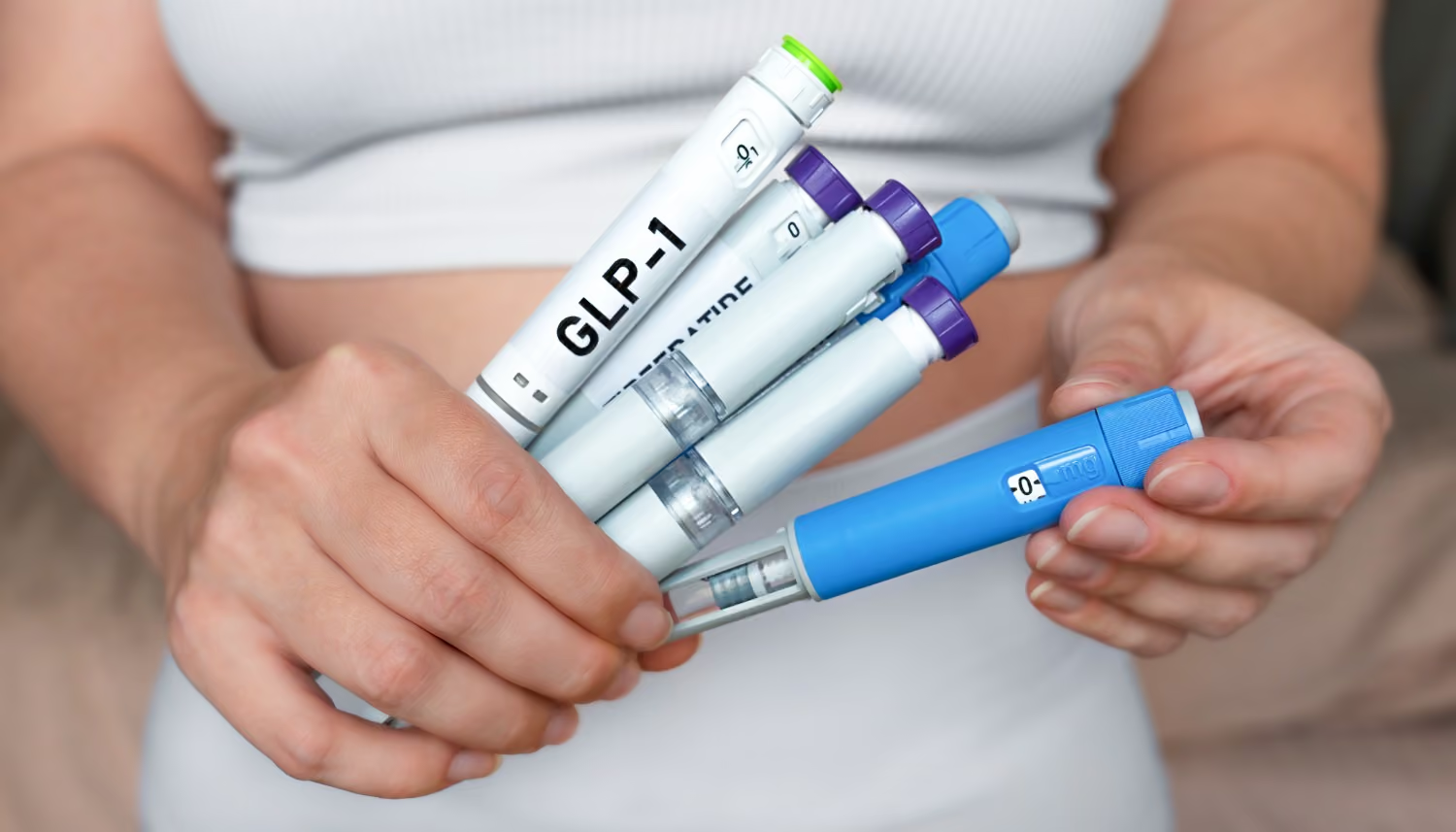
GLP-1 Medications for Weight Loss in New Jersey
For some adults, losing weight through diet and exercise alone can be difficult to sustain. Appetite, metabolic health, medications, age-related changes, sleep, and other factors can all influence weight. When lifestyle changes are not enough, prescription weight-management medication may be an option for eligible patients.
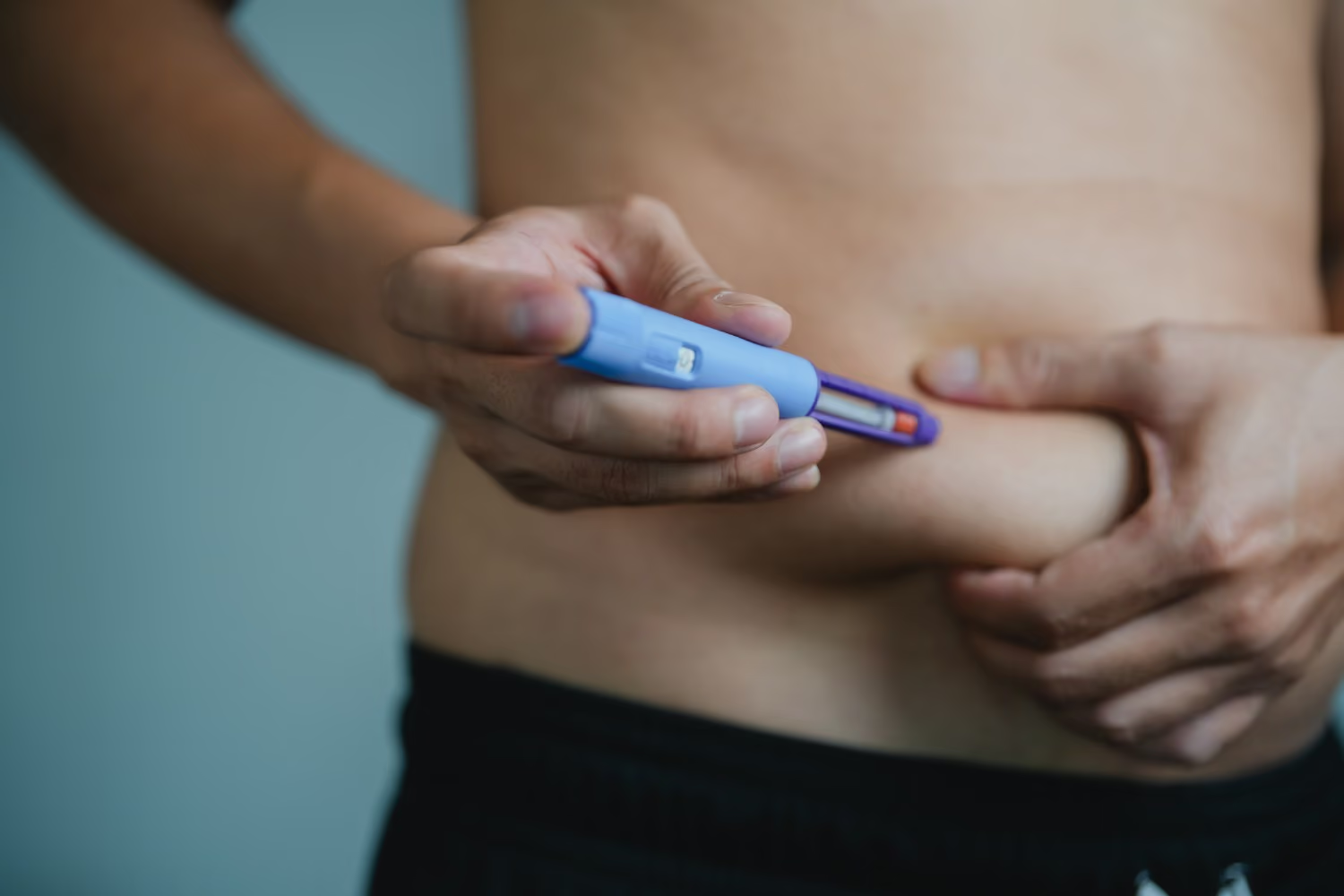
GLP-1 medications have become an important part of medical weight management because they can influence appetite, food intake, and blood sugar regulation. Depending on the medication and the patient's health profile, treatment may help support meaningful weight loss when combined with nutrition, physical activity, and ongoing medical care.
At Healthy Aging Medical Centers, the decision to use a GLP-1 medication begins with an evaluation of your health rather than simply choosing a medication based on its popularity.
How Do GLP-1 Medications Work?
GLP-1 stands for glucagon-like peptide-1, a hormone involved in appetite regulation, digestion, and blood glucose control. GLP-1 receptor agonists can affect areas of the brain involved in appetite and food intake. They may also slow stomach emptying and influence blood sugar regulation. These effects can help some patients feel satisfied with less food.
Not every medication marketed or discussed as a “GLP-1” works in exactly the same way. For example, tirzepatide acts on both GIP and GLP-1 pathways rather than GLP-1 alone.
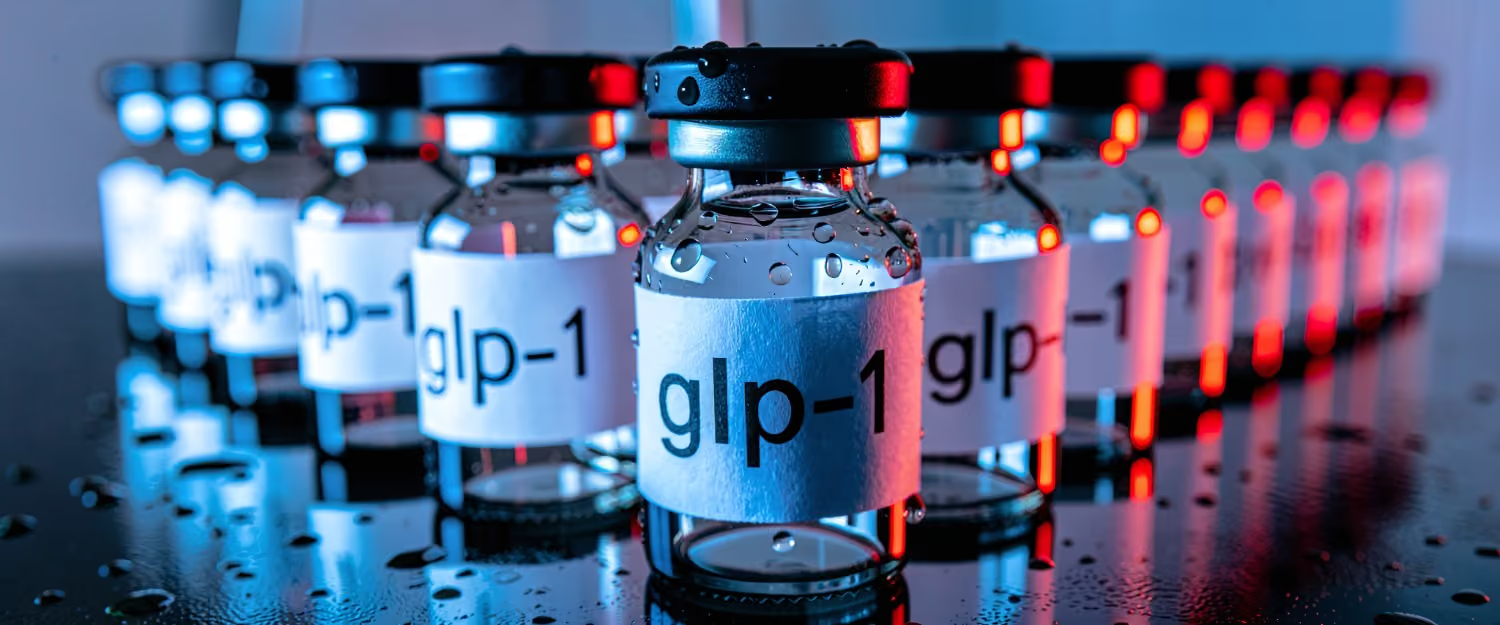

Which GLP-1 Medications Are Used for Weight Management?
Several medications in this category have FDA-approved indications related to chronic weight management.
Depending on the patient's medical circumstances, options may include:
- Semaglutide (Wegovy®) — a GLP-1 receptor agonist administered by injection
- Liraglutide (Saxenda®) — a GLP-1 receptor agonist administered by injection
- Tirzepatide (Zepbound®) — a dual GIP and GLP-1 receptor agonist administered by injection
The same active ingredients may also be available under different brand names and dosages for other medical conditions, such as type 2 diabetes. The appropriate product and indication depend on your medical evaluation.
Who May Be a Candidate for GLP-1 Weight-Loss Medication?
Prescription weight-management medications are not intended for everyone who wants to lose a few pounds.
Healthcare professionals may consider weight-management medication for adults with a BMI of 30 or greater, or a BMI of 27 or greater when weight-related health problems are present, although individual prescribing decisions depend on the medication and the patient's circumstances.
Your evaluation may include:
- Weight and weight history
- BMI and body measurements
- Blood pressure
- Blood sugar or metabolic markers
- Current medications and supplements
- Existing medical conditions
- Previous weight-management efforts
- Eating patterns and appetite
- Family and personal health history
The goal is to determine whether medication is medically appropriate and which treatment, if any, makes sense for you.
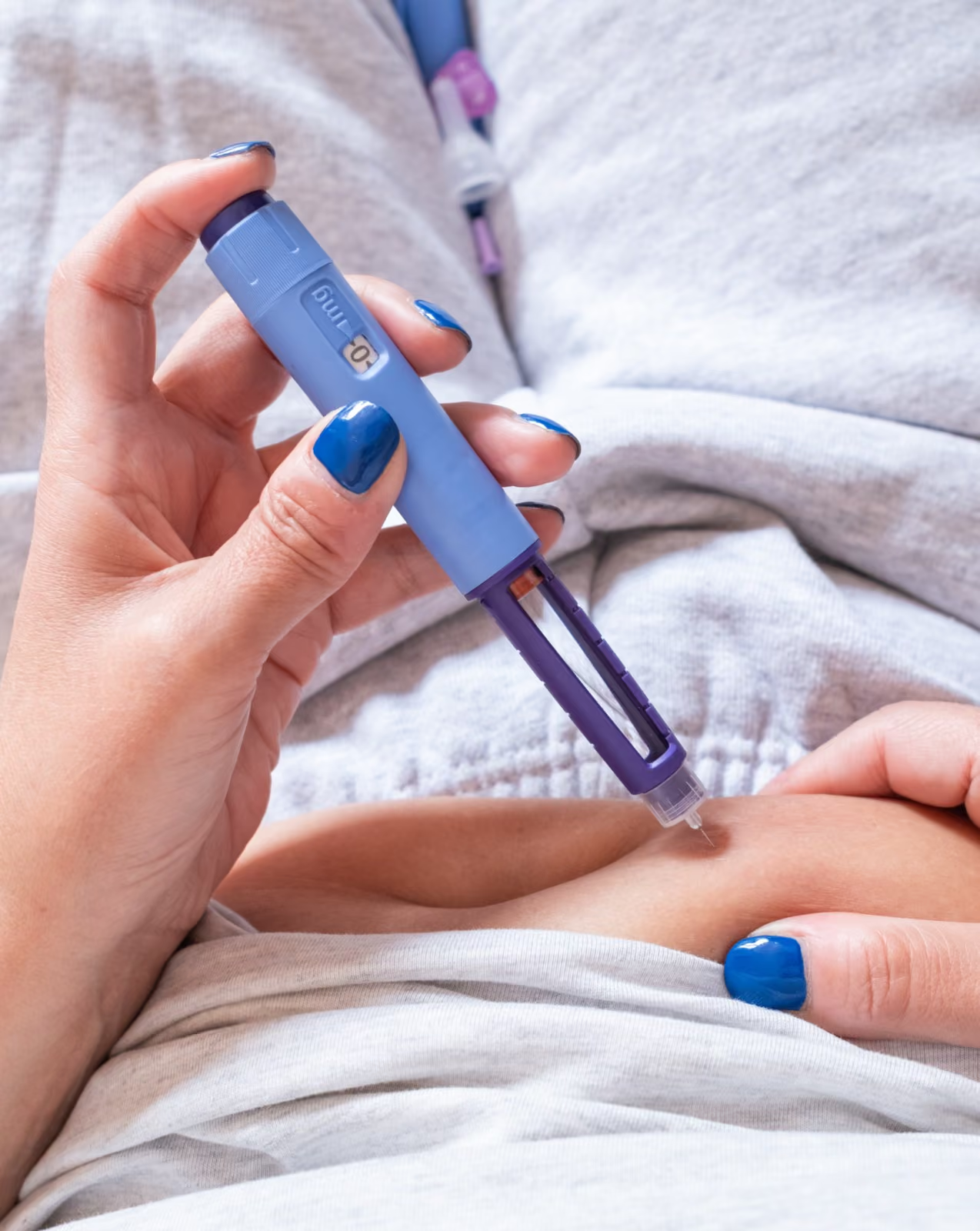
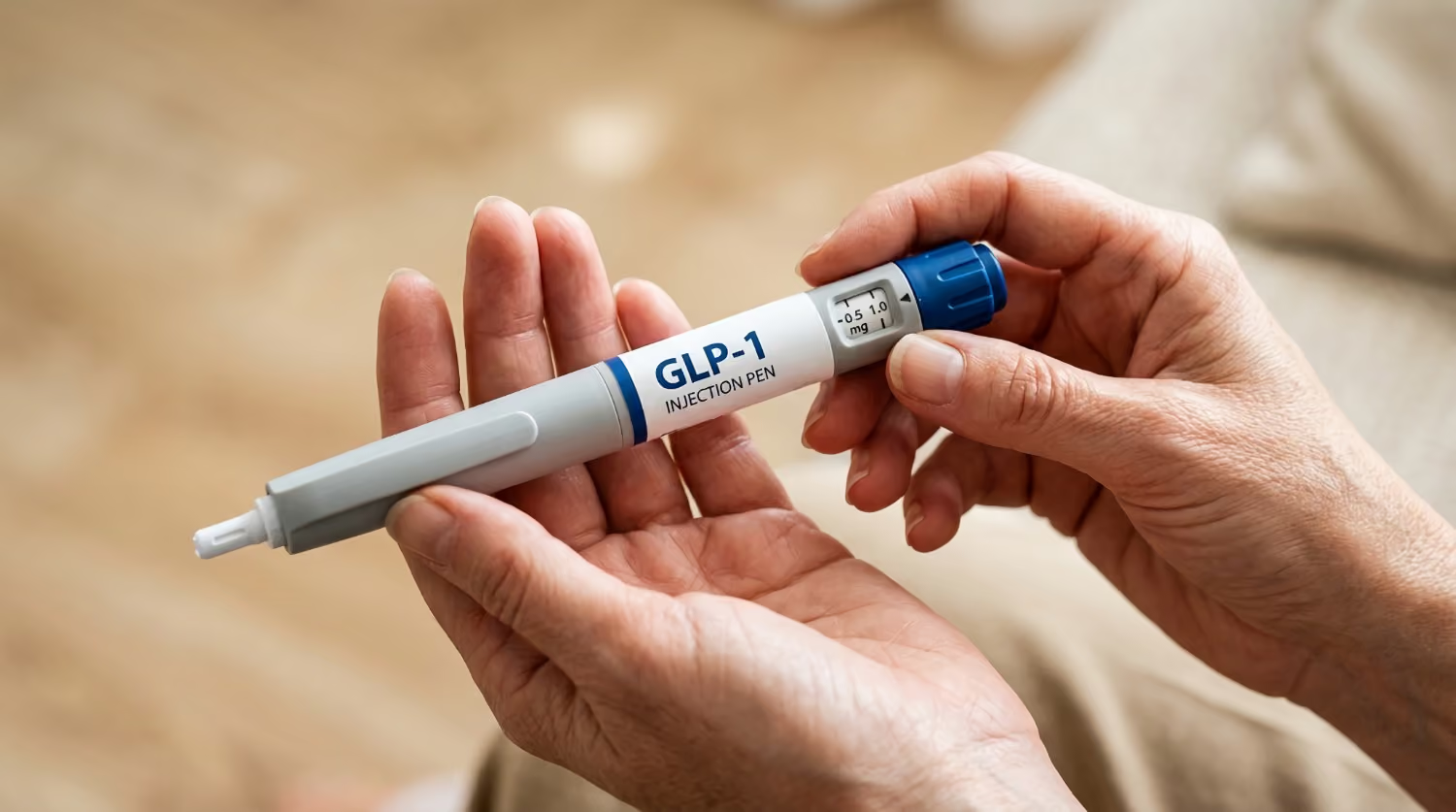
What Can I Expect When Starting a GLP-1 Medication?
GLP-1 treatment generally requires gradual dose adjustments depending on the specific medication. This approach can help the body adjust to treatment and may reduce gastrointestinal side effects.
Your provider may monitor:
- Weight changes
- Appetite and eating patterns
- Blood pressure and other relevant health measurements
- Gastrointestinal symptoms
- Medication tolerance
- Other medical conditions
- Progress toward your treatment goals
Your response matters just as much as the initial prescription. If a medication causes significant side effects or does not provide adequate benefit, your healthcare provider can reassess the treatment plan.
GLP-1 Medications Are Not a Replacement for Healthy Habits
Medication can support weight management, but it does not replace nutrition, physical activity, sleep, or other healthy behaviors.
NIDDK notes that prescription weight-management medications work best when combined with lifestyle changes.
For this reason, your treatment plan may also address:
- Protein and overall nutrition
- Physical activity
- Resistance training
- Sleep
- Appetite patterns
- Metabolic health
- Long-term weight maintenance
This broader approach can be particularly important when the goal is not simply to lose weight, but to maintain healthier body composition and metabolic health over time.

What Are the Possible Side Effects?
GLP-1 and related medications can cause gastrointestinal side effects, particularly while the body is adjusting to treatment.
Depending on the medication, patients may experience symptoms such as:
- Nausea
- Vomiting
- Diarrhea
- Constipation
- Abdominal discomfort
- Reduced appetite
More serious risks and medication-specific warnings also exist. Your provider should review the prescribing information, your medical history, and other medications before treatment.
Certain GLP-1 medications have important restrictions for people with specific medical conditions or histories. For example, semaglutide and tirzepatide labeling includes a contraindication involving a personal or family history of medullary thyroid carcinoma or multiple endocrine neoplasia syndrome type 2.
Patient Testimonials


.svg)
GLP-1 Weight Management in New Jersey
What Happens If I Stop Taking a GLP-1 Medication?
GLP-1 treatment should be viewed as part of a longer-term weight-management strategy rather than a temporary shortcut.
Some people regain weight after stopping weight-management medication. NIDDK notes that maintaining healthy eating and physical activity habits may help reduce weight regain, but ongoing treatment may be appropriate for some patients who continue to benefit and do not experience serious side effects.
If you are considering stopping a medication, discuss the decision with your healthcare provider rather than making changes independently.
GLP-1 Medications vs. Phentermine
GLP-1 medications and phentermine are not interchangeable treatments. Phentermine primarily acts as an appetite suppressant through the central nervous system and is FDA-approved for short-term use. GLP-1-based medications work through different hormonal pathways and include medications approved for longer-term weight management.
The right choice depends on factors such as your medical history, current medications, cardiovascular considerations, treatment goals, potential side effects, and cost. A provider can help you compare appropriate options rather than assuming one medication is suitable for everyone.
Monitoring Your Progress Beyond the Scale
Weight is only one measure of progress. Healthy Aging Medical Centers may consider additional information when evaluating your response to weight-management treatment, including metabolic health, body composition, physical activity, and how you are feeling and functioning.
For some patients, body composition testing can provide additional information about changes in fat mass and lean mass during a weight-management program.
This can help put changes on the scale into a broader context.
Discuss GLP-1 Weight Management Near You in New Jersey
Healthy Aging Medical Centers provides medical weight-management care for adults throughout New Jersey. Patients can discuss GLP-1 medications and other prescription options with the medical team to determine whether treatment is appropriate.
Whippany, NJ
91 S Jefferson Rd Whippany, NJ 07981
Hazlet, NJ
155 Middle Rd Hazlet, NJ 07730
Your provider can review your health history, weight-management goals, current medications, and potential risks before determining whether a GLP-1 medication belongs in your treatment plan.
Frequently Asked Questions About GLP-1 Medications
GLP-1 medications can be used for conditions including type 2 diabetes and, depending on the specific medication, chronic weight management. Their effects include influencing appetite, food intake, and blood glucose regulation.
FDA-approved medications for chronic weight management include semaglutide (Wegovy®) and liraglutide (Saxenda®). Tirzepatide (Zepbound®) works through both GIP and GLP-1 pathways and is also approved for chronic weight management.
No. These medications have contraindications, warnings, potential side effects, and medication-specific considerations. Your medical history and current medications should be reviewed before treatment.
They can. GLP-1-based medications affect pathways involved in appetite and food intake, which can help some patients feel full or satisfied with less food.
Yes. Weight-management medications are intended to complement healthy eating and physical activity rather than replace them.
Some medications in this category have indications for both type 2 diabetes and weight-related treatment, although the specific product, dose, and indication differ. Your provider can determine which medication is appropriate for your medical needs.
Some weight regain can occur after stopping weight-management medication. Your provider can help you plan for long-term weight maintenance and determine whether continued treatment is appropriate.
There is no single treatment duration for everyone. If a medication is helping with weight management and is well tolerated, some patients may continue treatment long term. The appropriate duration should be determined with your healthcare provider.
Medication combinations should only be used when specifically recommended and monitored by a healthcare professional. Do not combine weight-loss products on your own.
Healthy Aging Medical Centers has locations in Whippany and Hazlet, New Jersey. You can discuss your weight-management history and whether a GLP-1 or another medical treatment may be appropriate for you.
LEARN MORE ABOUT HEALTHY AGING




OUR LOCATIONS
With locations in Whippany, Hazlet, and Miami, we provide personalized medical, wellness, longevity, and aesthetic care designed around your individual health needs.
Healthy Aging + Private Concierge Medicine

