
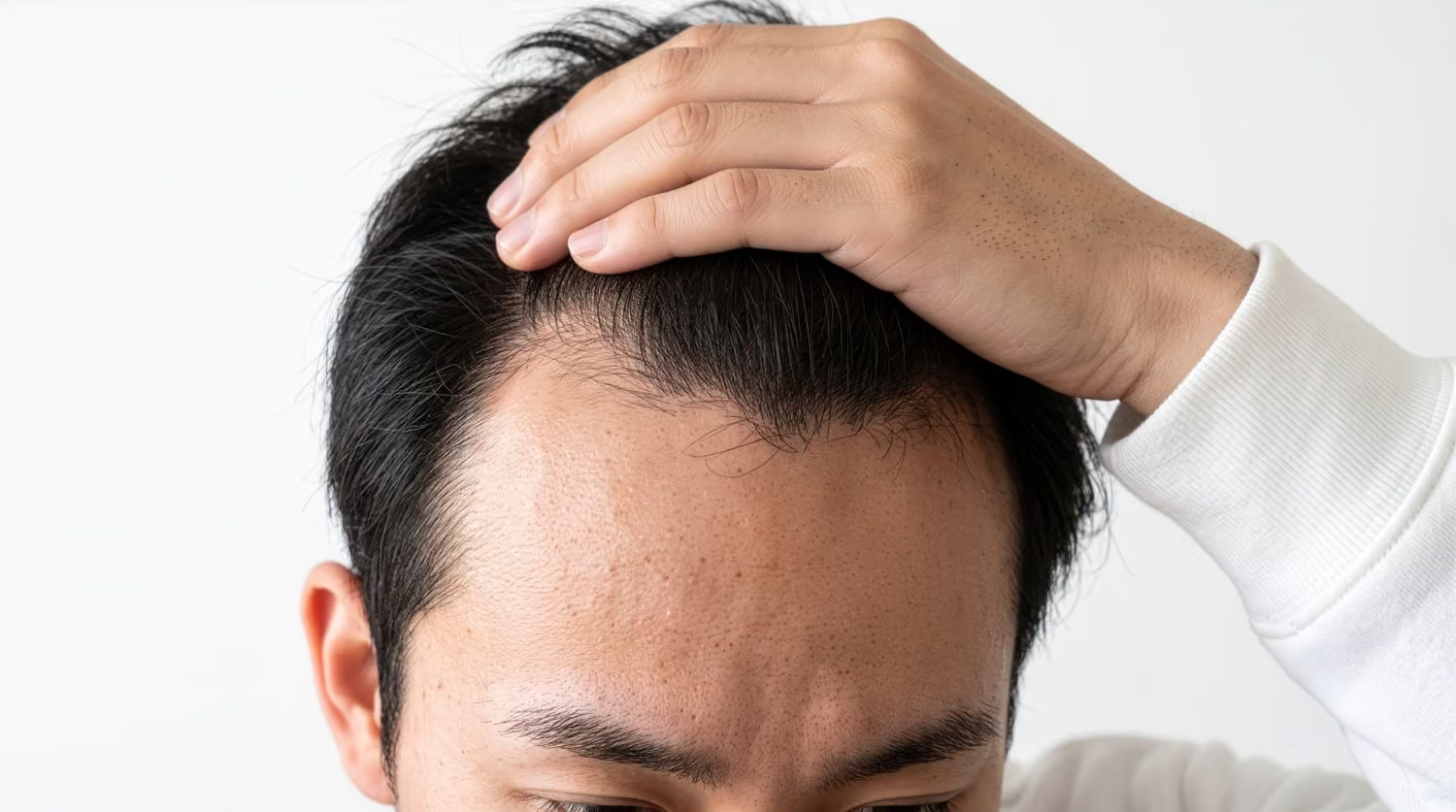
Hair Loss Treatment in New Jersey
Hair thinning and hair loss can develop gradually or appear more suddenly, affecting men and women at different stages of life. A receding hairline, widening part, thinning crown, or increased shedding may have several possible causes, including genetics, hormonal changes, nutritional deficiencies, medications, medical conditions, and stress.
At Healthy Aging Medical Centers, hair loss treatment begins with understanding why you are losing hair. Once the likely cause is identified, your provider can discuss treatment options designed to slow further loss, support existing hair follicles, and improve hair density when appropriate.
What Causes Hair Loss?
Hair loss is not a single condition. Different patterns of shedding and thinning can point to different underlying causes.
Common contributors include:
- Hereditary or pattern hair loss
- Hormonal changes
- Nutritional deficiencies
- Thyroid and other medical conditions
- Certain medications
- Significant illness or physical stress
- Rapid weight loss
- Scalp inflammation or infection
- Autoimmune conditions such as alopecia areata
- Repeated traction or damaging hair practice
The American Academy of Dermatology notes that finding the cause is an important first step because some types of hair loss can improve once the underlying problem is addressed.

Understanding Pattern Hair Loss
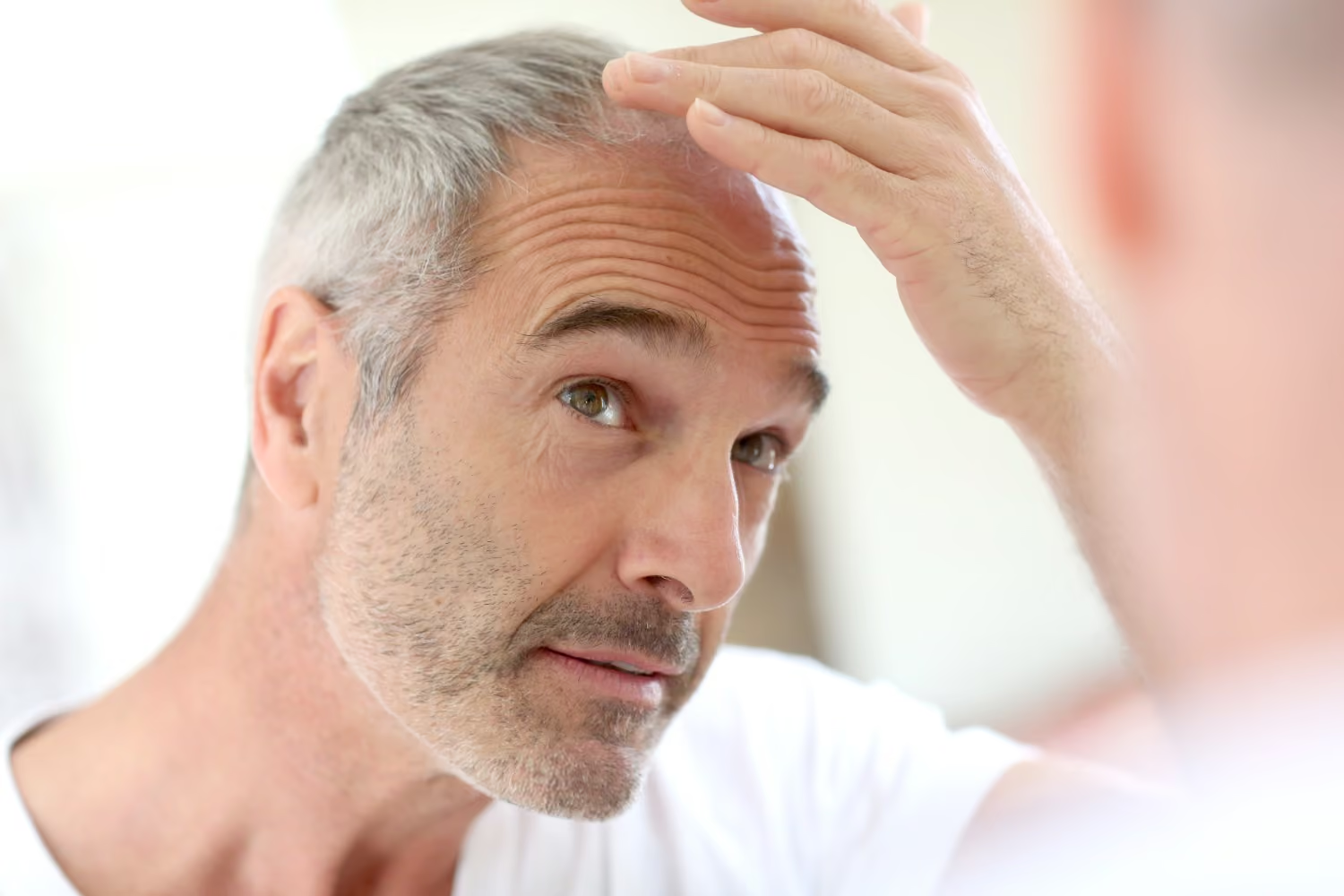
Androgenetic alopecia, commonly called male or female pattern hair loss, is one of the most common causes of progressive thinning.
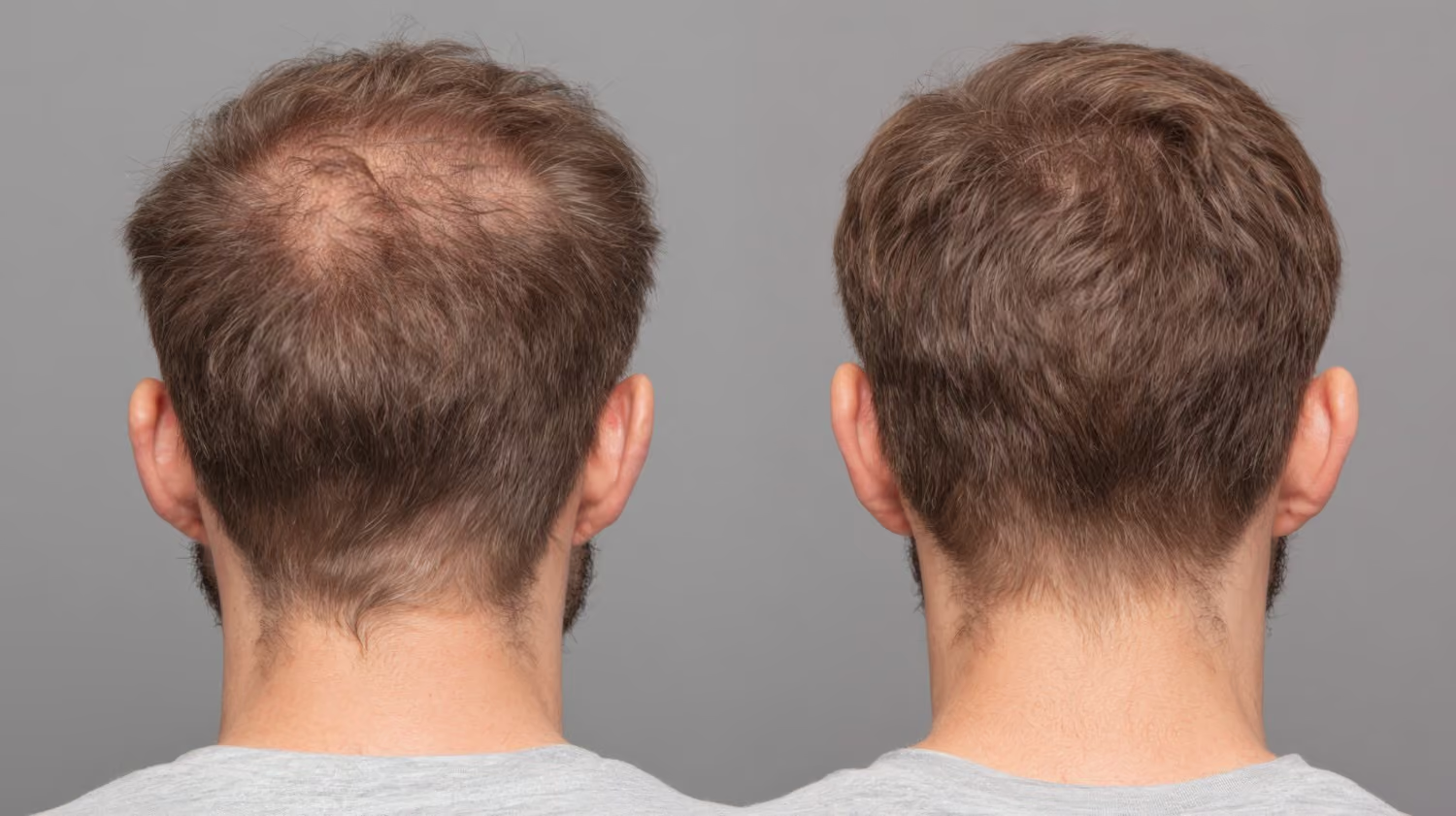
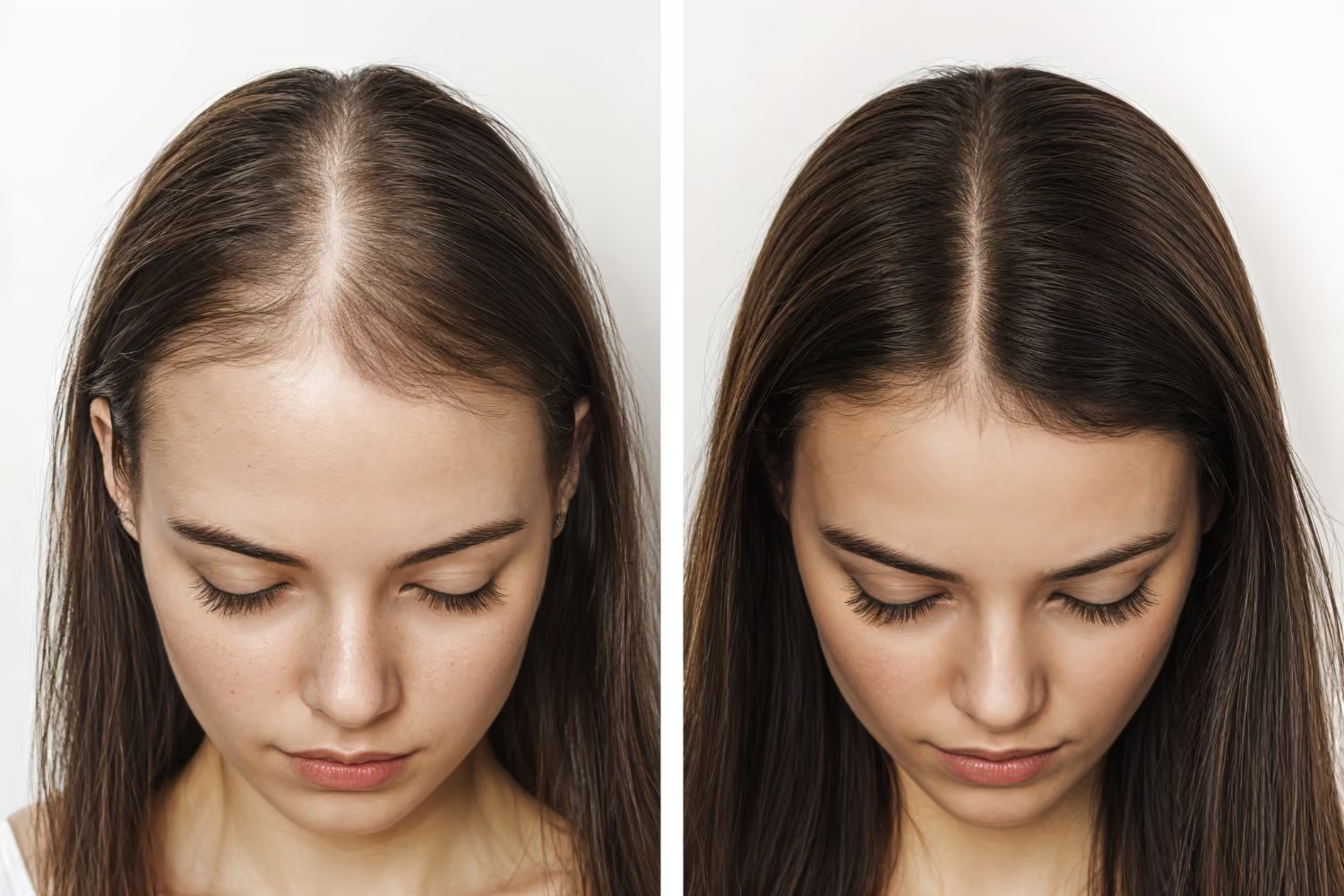
In men, it may appear as a receding hairline, thinning at the crown, or gradual loss across the top of the scalp. In women, thinning is often more diffuse across the top of the scalp while the frontal hairline is usually preserved.
Treatment tends to be more useful when started earlier, while affected follicles are still capable of producing hair.
Hair Loss Treatment for Men and Women
Hair loss can affect both men and women, but the pattern and underlying causes may differ. For men, treatment frequently focuses on androgenetic alopecia, particularly when there is gradual recession or thinning around the crown.
For women, diffuse thinning can be associated with female pattern hair loss, hormonal changes, nutritional issues, thyroid disorders, medications, or other medical conditions.
Because treatment can differ substantially, identifying the cause is more important than simply treating the visible thinning.
What Happens During a Hair Loss Evaluation?
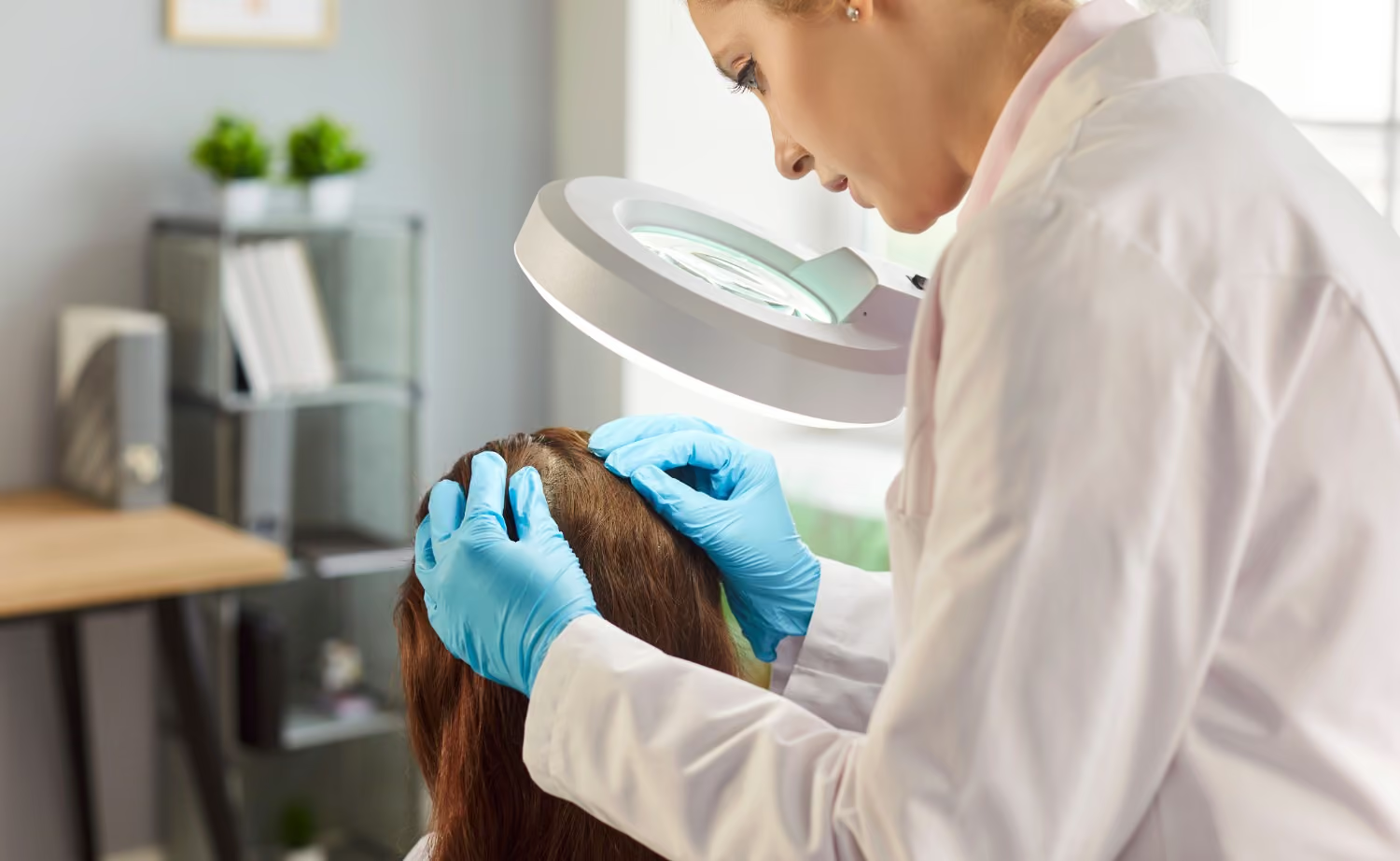
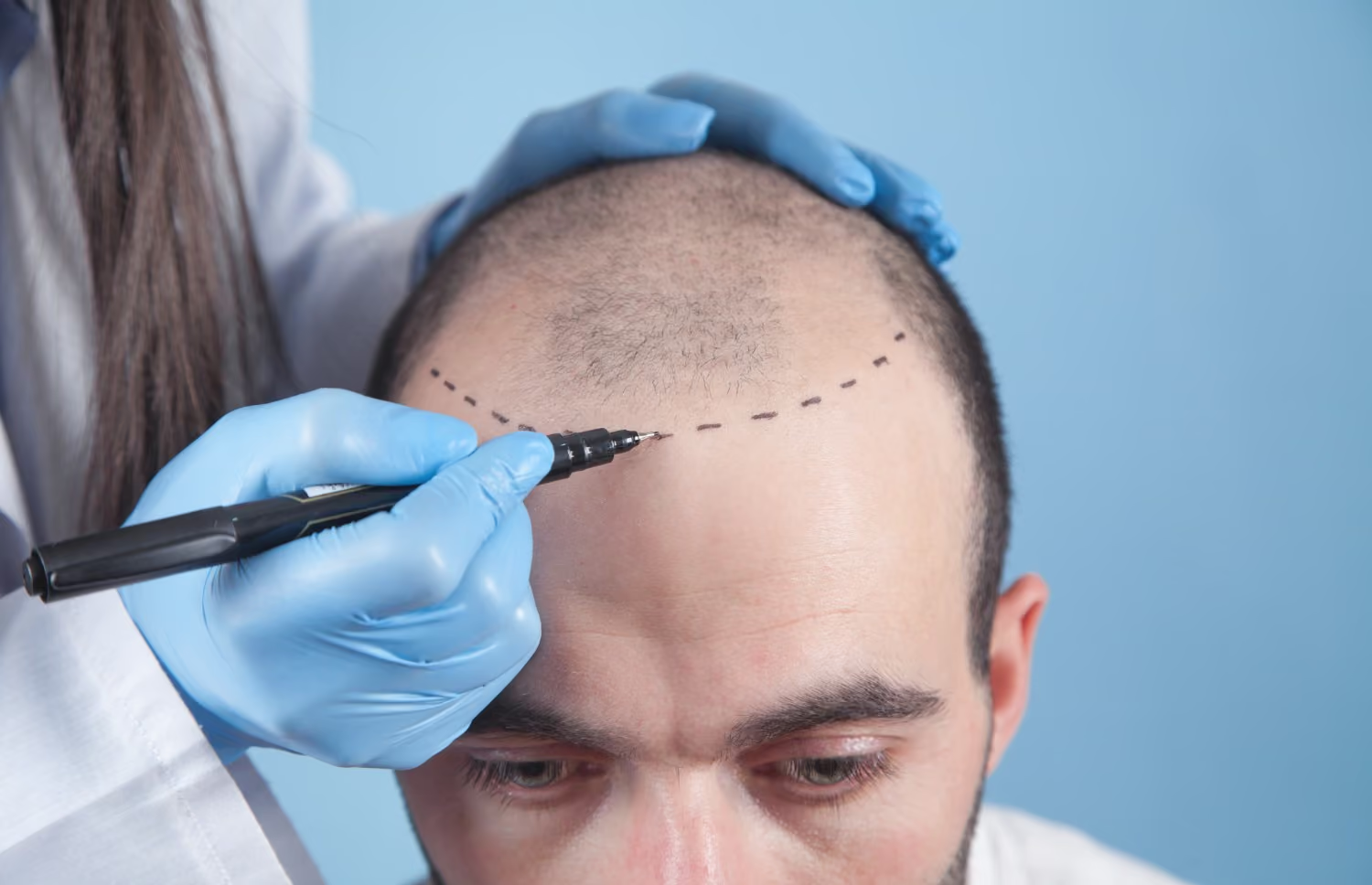
Your evaluation may include a detailed discussion of your hair-loss pattern, when the changes started, family history, medications, supplements, recent illnesses, weight changes, hormonal factors, and other relevant health information.
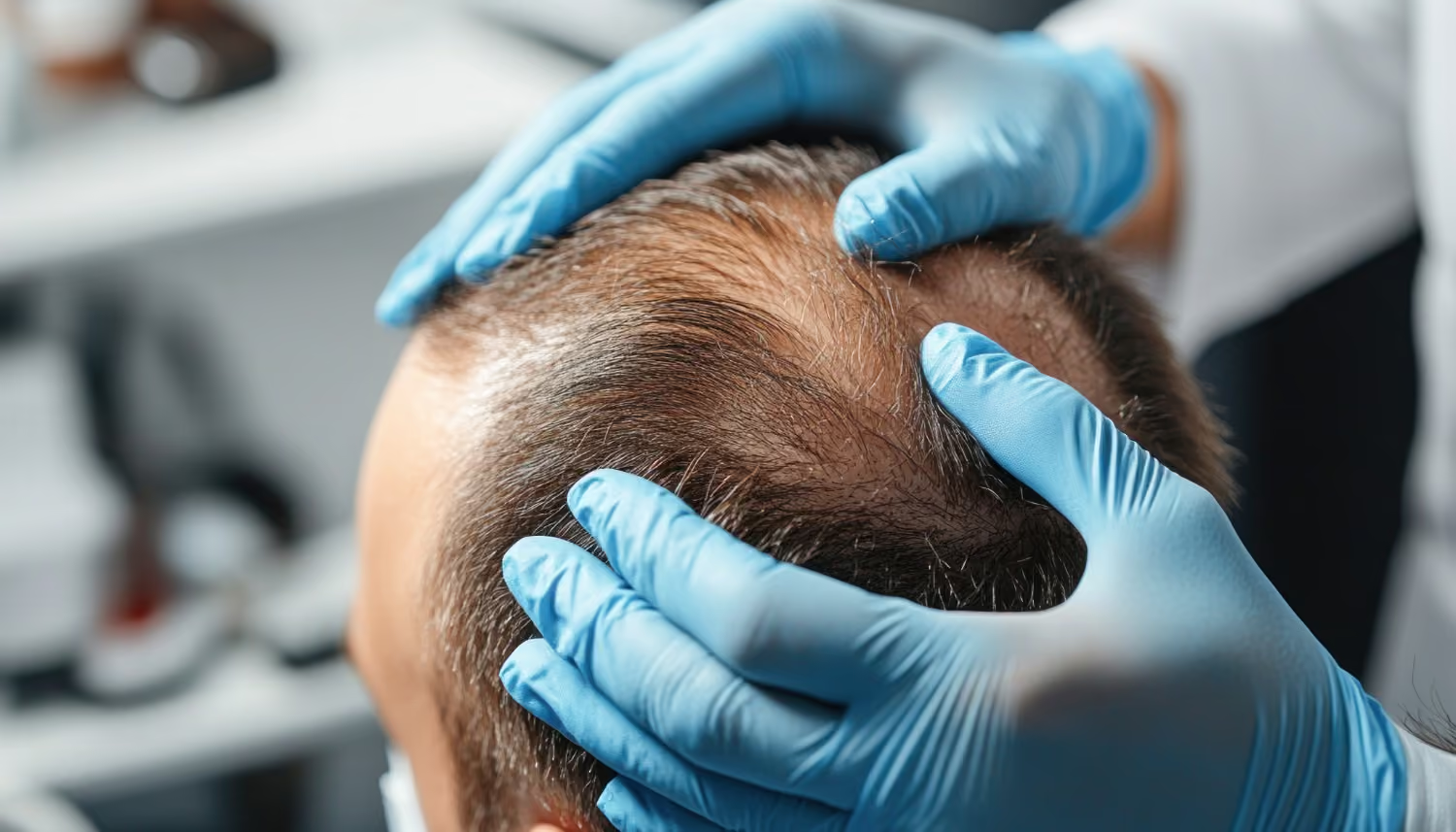
Your provider may also examine your scalp and hair to determine whether the pattern is consistent with hereditary hair loss or another condition.
When medically appropriate, laboratory testing may be considered to look for potential contributors such as nutritional deficiencies, hormone abnormalities, or other medical conditions. The AAD notes that blood testing or a scalp biopsy may sometimes be appropriate when a medical condition, deficiency, hormonal imbalance, or infection is suspected.
Why Early Hair Loss Treatment Matters
Hair follicles can become progressively smaller in certain forms of hereditary hair loss. As the follicle becomes increasingly miniaturized, restoring the same amount of hair can become more difficult. For this reason, evaluating persistent thinning earlier may provide more opportunities to preserve existing hair.
That does not mean every case of shedding requires immediate medication. Some forms of temporary hair shedding can improve naturally once the underlying trigger resolves.
Personalized Hair Loss Treatment Options
There is no single treatment that works for every type of hair loss. Depending on your diagnosis and health history, treatment may involve one or more approaches.
Minoxidil
Minoxidil is an established treatment option for certain types of pattern hair loss. Topical minoxidil can help stimulate hair growth and reduce further hair loss in appropriate patients.
Results take time. The American Academy of Dermatology notes that it can take approximately 6 to 12 months to assess the full effect, and continued use is generally needed to maintain benefits.
Finasteride
Finasteride is a prescription medication FDA-approved for male pattern hair loss. It works by reducing the conversion of testosterone to dihydrotestosterone (DHT), a hormone involved in androgenetic hair loss.
It may slow additional hair loss and help some men regrow hair. Finasteride is generally used long term when effective, and potential sexual and other adverse effects should be discussed before treatment.
Finasteride is not appropriate for everyone, particularly women who are pregnant or may become pregnant because of the risk of fetal harm.
Platelet-Rich Plasma (PRP)
PRP hair treatment uses a small sample of your own blood. The blood is processed to concentrate platelets and plasma, which are then injected into areas of the scalp affected by thinning.
Research suggests PRP may help reduce hair loss and support hair density in some patients, although treatment protocols vary and maintenance treatments may be needed.
Low-Level Laser Therapy
Low-level laser or light therapy is another treatment option that has been studied for hereditary hair loss. Certain devices have received FDA clearance, although FDA clearance is different from FDA approval and does not mean the treatment is guaranteed to work for every patient.
Hair Loss Treatment and Hormonal Health
Hormones can influence hair growth, but hair loss should not automatically be attributed to low testosterone or another hormone imbalance.
A proper evaluation can help determine whether hormonal factors may be contributing to your symptoms. If hormone testing is clinically appropriate, your provider can interpret the results alongside your symptoms, medical history, and other findings. This is particularly important for patients already receiving hormone-related care.
What Results Can You Expect?
Hair grows slowly, so hair loss treatment generally requires patience.
Depending on the cause and treatment, goals may include:
- Slowing additional hair loss
- Reducing excessive shedding
- Maintaining existing hair
- Improving hair thickness
- Supporting regrowth where follicles remain viable
Not every patient will experience the same degree of improvement. Some treatments require ongoing use or periodic maintenance to preserve results.
Patient Testimonials


.svg)
Hair Loss Treatment in Whippany and Hazlet, NJ
Hair Loss Treatment in Whippany and Hazlet, NJ
Healthy Aging Medical Centers provides personalized medical care for patients experiencing hair thinning and hair loss at two New Jersey locations.
Whippany Location
91 S Jefferson Rd Whippany, NJ 07981
Hazlet Location
155 Middle Rd Hazlet, NJ 07730
Patients from surrounding New Jersey communities can receive an individualized evaluation to determine possible causes of hair loss and discuss appropriate treatment options.
Take the Next Step for Hair Loss Treatment in New Jersey
Hair thinning does not have to be approached with a one-size-fits-all solution. Understanding the reason behind your hair loss can help determine which treatment options are appropriate and what kind of results you may realistically expect.
Healthy Aging Medical Centers offers personalized care for hair loss and overall health at locations in Whippany and Hazlet, New Jersey.
Schedule an evaluation to discuss your hair loss, identify potential contributing factors, and explore treatment options tailored to your needs.
Frequently Asked Questions About Hair Loss Treatment
There is no single treatment that is best for every patient. The appropriate approach depends on the cause, pattern, severity, medical history, and treatment goals. Options may include minoxidil, finasteride for appropriate men, PRP, laser therapy, or treatment of an underlying medical condition.
Some types of hair loss can improve when the underlying cause is addressed. Other forms, particularly hereditary hair loss, may require ongoing treatment to slow progression and maintain or improve hair density.
Minoxidil can help reduce hair loss and stimulate growth in certain conditions. Results take time and continued use is generally necessary to maintain the benefit.
Finasteride can slow male pattern hair loss and may produce some regrowth in appropriate men. Results are gradual and continued treatment is generally necessary to maintain them.
PRP has shown potential for reducing hair loss and improving hair density in some patients. However, treatment protocols vary, and individual results can differ. Maintenance treatments may also be recommended.
Hair growth is gradual. Depending on the treatment, it may take several months before changes become noticeable. For example, the AAD notes that minoxidil may require approximately 6 to 12 months to evaluate its effectiveness.
Yes. Significant physical or emotional stress can contribute to certain types of temporary hair shedding. Other causes should still be considered when shedding is persistent or severe.
Not everyone needs blood testing. Testing may be appropriate when your medical history or examination suggests a possible nutritional deficiency, hormone imbalance, thyroid problem, infection, or another medical condition.
Hormonal changes can influence hair growth, but the effect depends on the individual and the underlying cause of hair loss. Your provider can review your medications and hormone status when determining an appropriate treatment plan.
Yes. Women can develop several treatable forms of hair loss, including female pattern hair loss. Treatment depends on the cause and may include minoxidil and other therapies when appropriate.
Certain nutritional deficiencies can contribute to hair loss. However, taking supplements without identifying a deficiency is not necessarily helpful, and excessive amounts of some nutrients can actually contribute to hair problems.
Healthy Aging Medical Centers provides personalized evaluations and hair-loss treatment options at its Whippany and Hazlet locations. Your provider can assess your symptoms and discuss an appropriate treatment plan.
LEARN MORE ABOUT HEALTHY AGING




OUR LOCATIONS
With locations in Whippany, Hazlet, and Miami, we provide personalized medical, wellness, longevity, and aesthetic care designed around your individual health needs.
Healthy Aging + Private Concierge Medicine

