
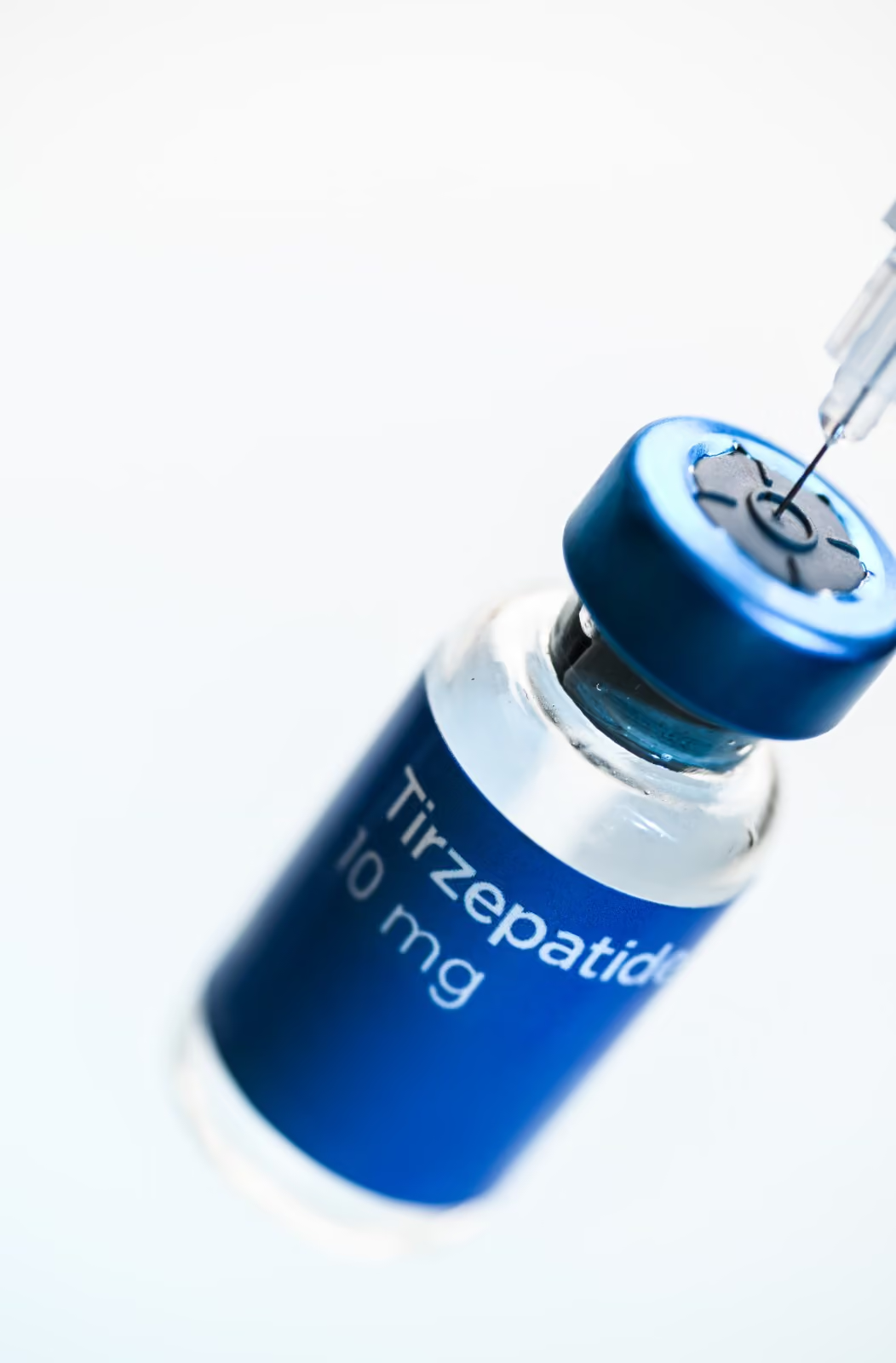
Tirzepatide for Weight Loss in New Jersey
For adults who have struggled to lose weight or maintain weight loss through lifestyle changes alone, prescription medication may provide another option to consider. Tirzepatide is a prescription medication used for chronic weight management in eligible adults and may be incorporated into a broader medical weight-management plan.
Tirzepatide is different from traditional GLP-1 medications because it acts on two hormone pathways: GIP and GLP-1. These pathways are involved in appetite, food intake, and blood sugar regulation.
At Healthy Aging Medical Centers, treatment begins with an evaluation of your health history, current medications, weight history, and goals to determine whether tirzepatide is appropriate.
What Is Tirzepatide?
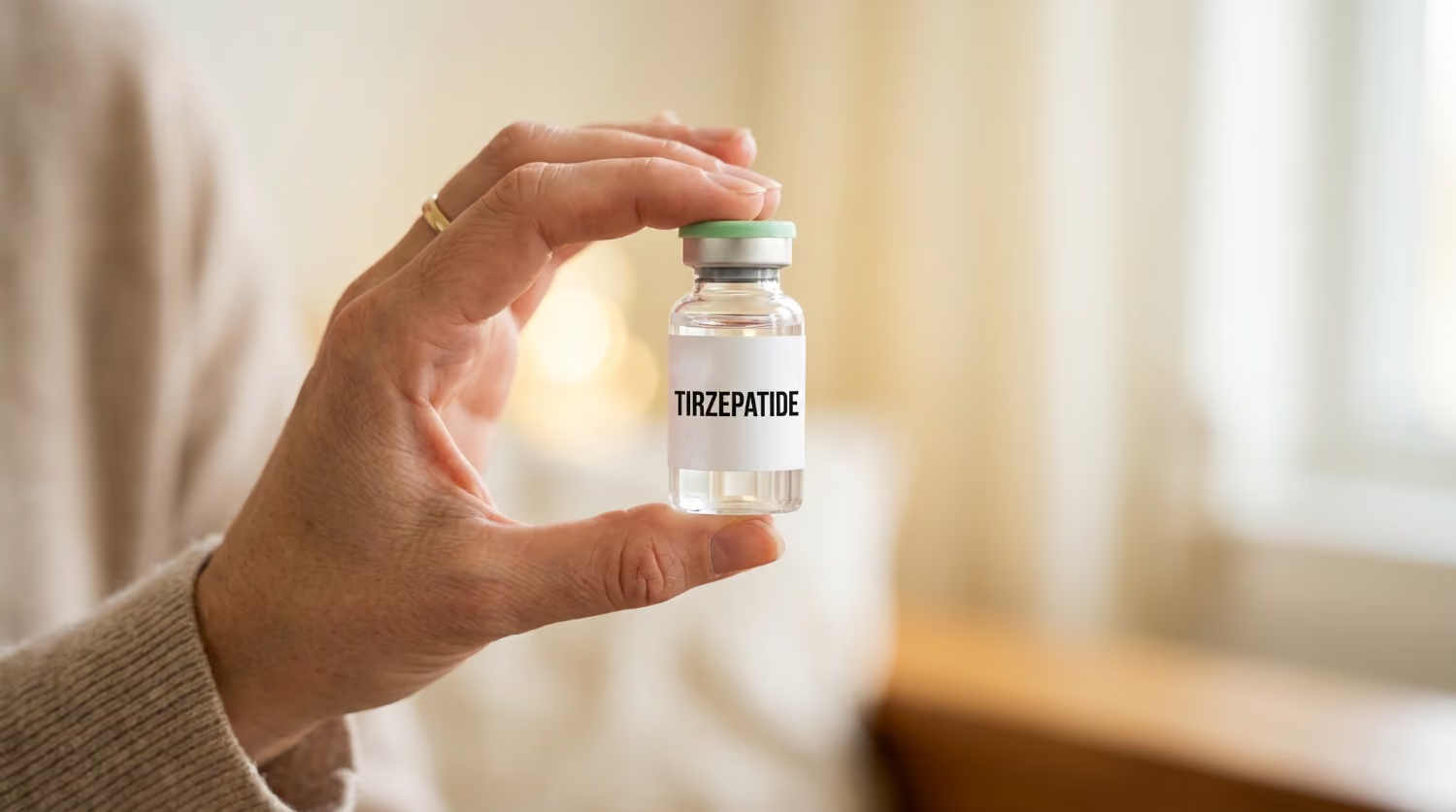
Tirzepatide is a medication that activates receptors for glucose-dependent insulinotropic polypeptide (GIP) and glucagon-like peptide-1 (GLP-1).
These hormone pathways influence several processes involved in metabolism and appetite. Tirzepatide can help reduce food intake by affecting appetite-regulating areas of the brain and can also influence blood glucose regulation and digestion.
For weight management, tirzepatide is available under the brand name Zepbound®. The same active ingredient is marketed as Mounjaro® for certain adults with type 2 diabetes. The products have different FDA-approved indications and should not be treated as interchangeable simply because they contain tirzepatide.

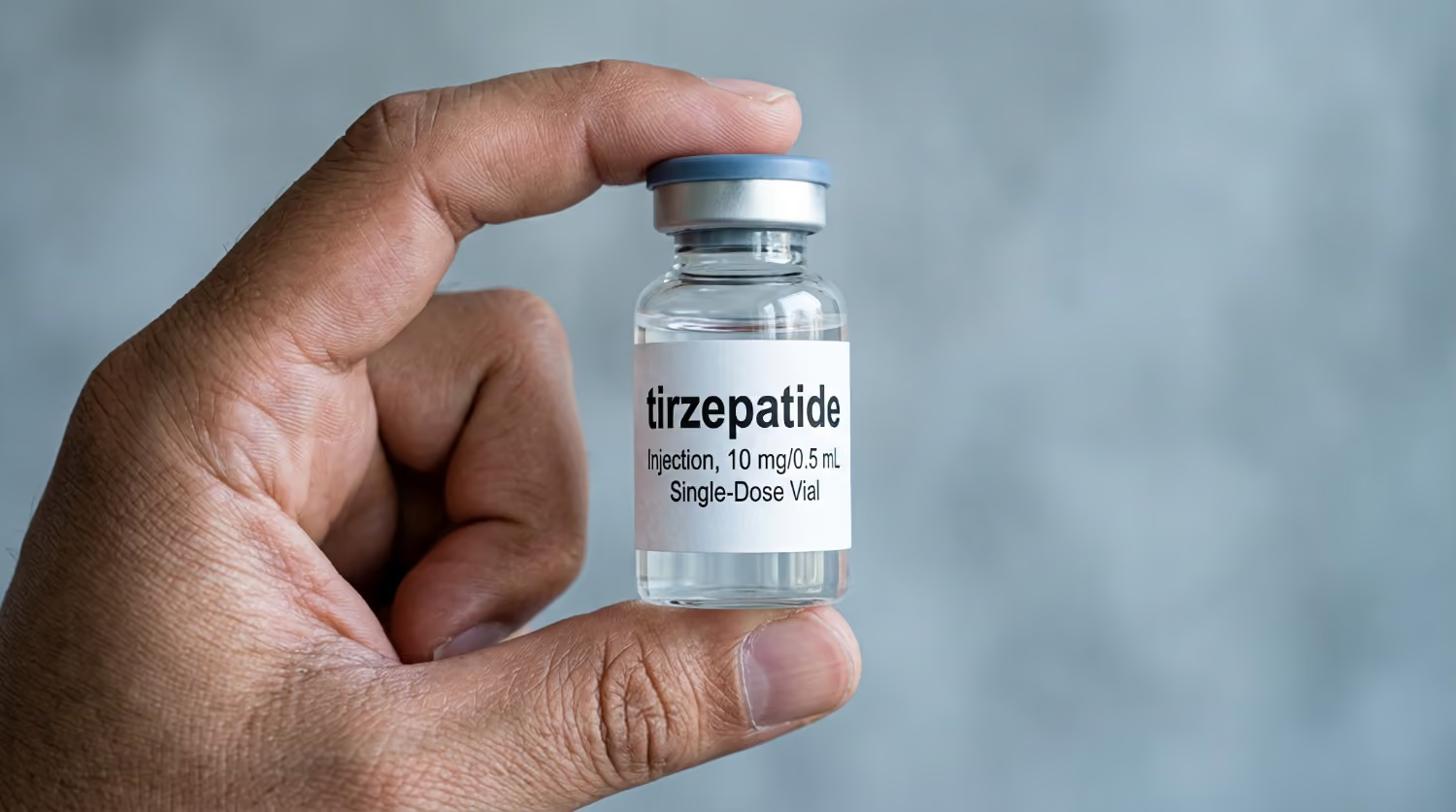
How Does Tirzepatide Support Weight Management?
Tirzepatide affects two hormone pathways involved in appetite and metabolism.
Some patients experience:
- Reduced hunger
- Earlier feelings of fullness
- Changes in food intake
- Improved blood sugar regulation
- Gradual changes in body weight
The response varies between individuals. Tirzepatide is intended to be used alongside a reduced-calorie eating plan and increased physical activity rather than as a replacement for healthy habits.
Who May Be Considered for Tirzepatide?
Zepbound is FDA-approved for chronic weight management in adults with an initial:
- BMI of 30 or greater, or
- BMI of 27 or greater with at least one weight-related health condition
Examples of weight-related conditions can include high blood pressure, abnormal cholesterol levels, type 2 diabetes, cardiovascular disease, and obstructive sleep apnea.
Meeting a BMI threshold does not automatically mean tirzepatide is the right medication for you. Your healthcare provider should consider your medical history, other medications, previous weight-management efforts, potential risks, and treatment goals.
What Happens Before Starting Tirzepatide?
A medical evaluation helps determine whether treatment is appropriate and gives your provider a baseline for monitoring your progress.
Your evaluation may include:
A medical evaluation helps determine whether treatment is appropriate and gives your provider a baseline for monitoring your progress.
Your evaluation may include:
- Weight and BMI
- Weight history
- Blood pressure
- Metabolic health
- Current medications and supplements
- Relevant medical conditions
- Previous approaches to weight management
- Eating patterns and appetite
- Personal and family medical history
Your provider can then discuss whether tirzepatide, another medication, or a non-medication approach is appropriate.
What Is Tirzepatide Treatment Like?
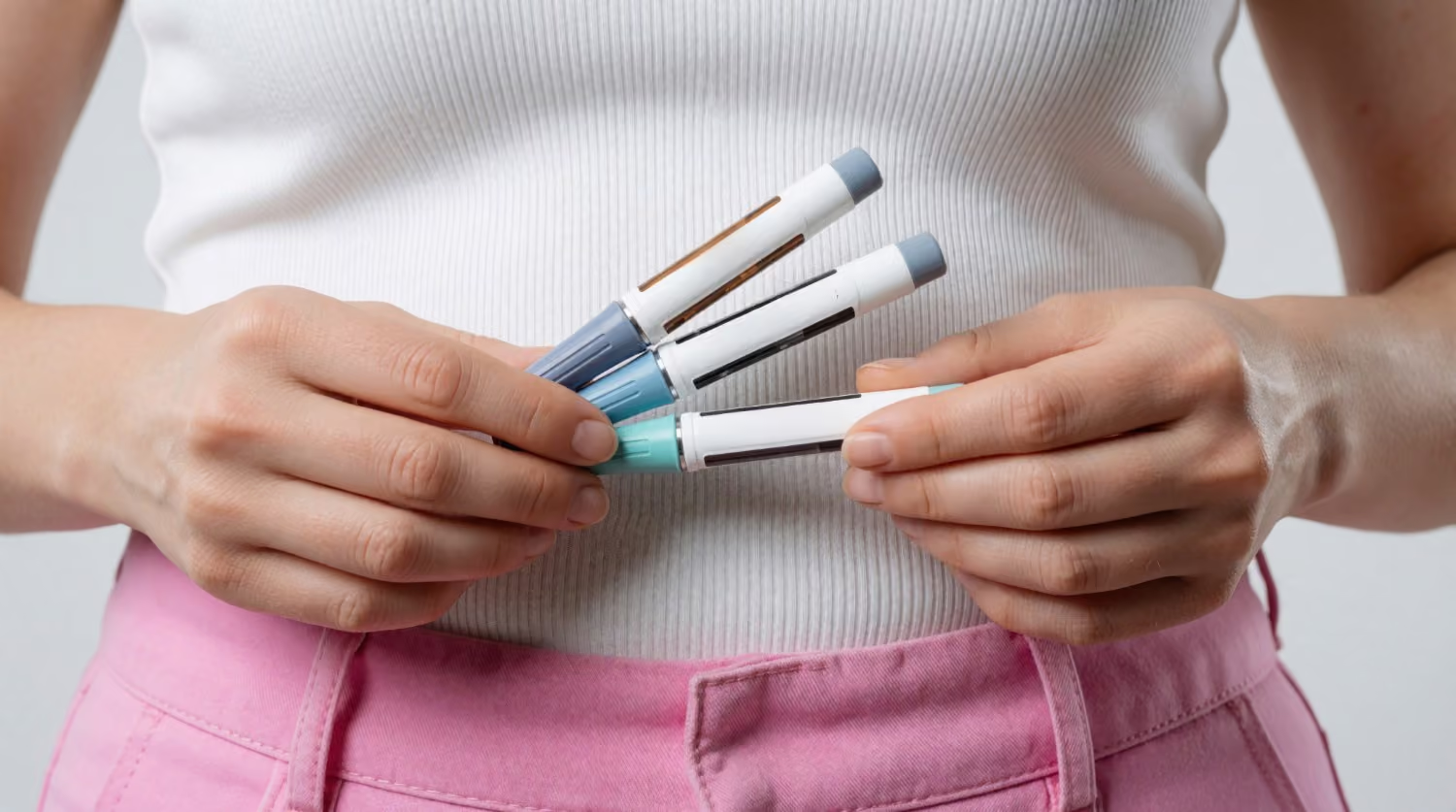
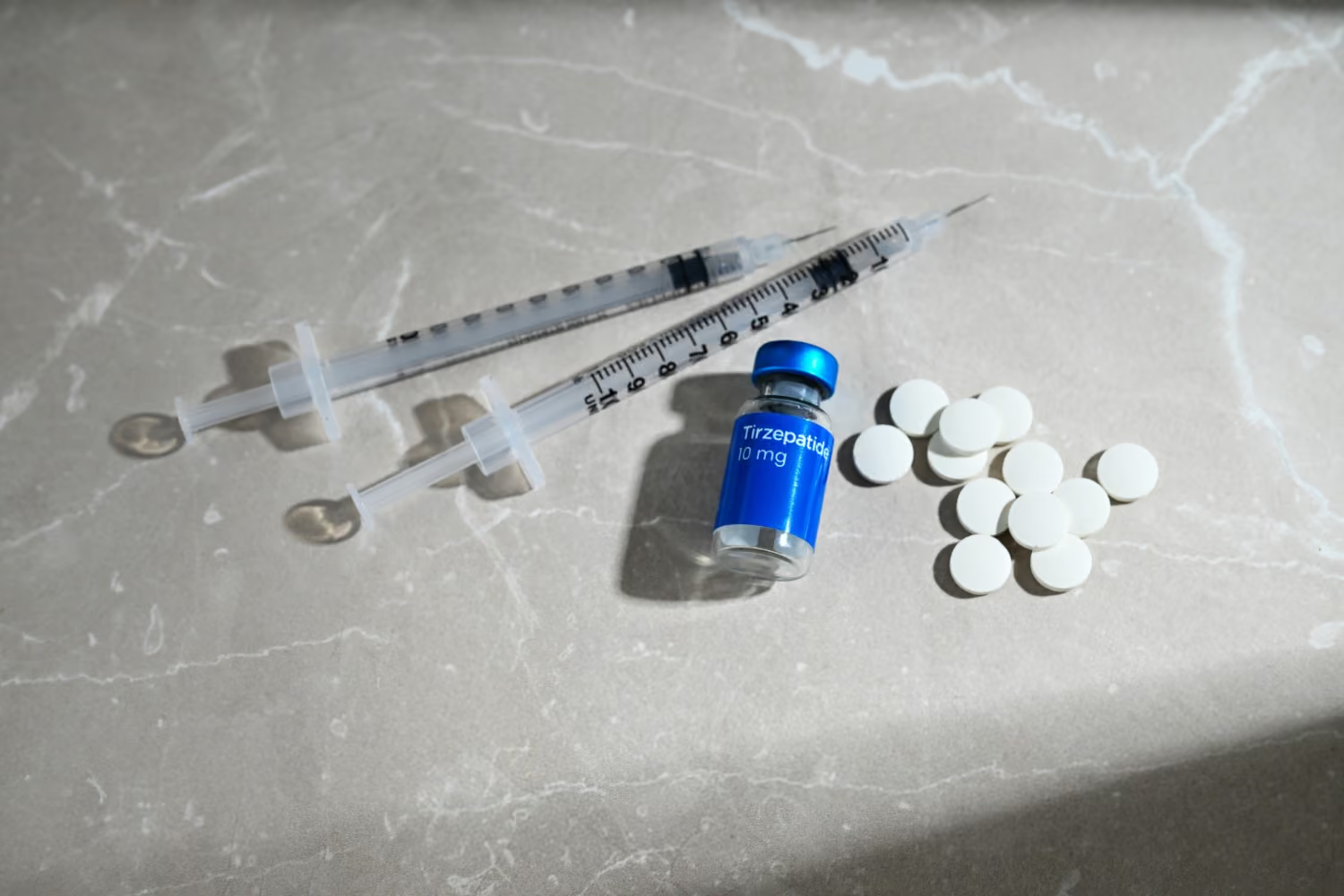
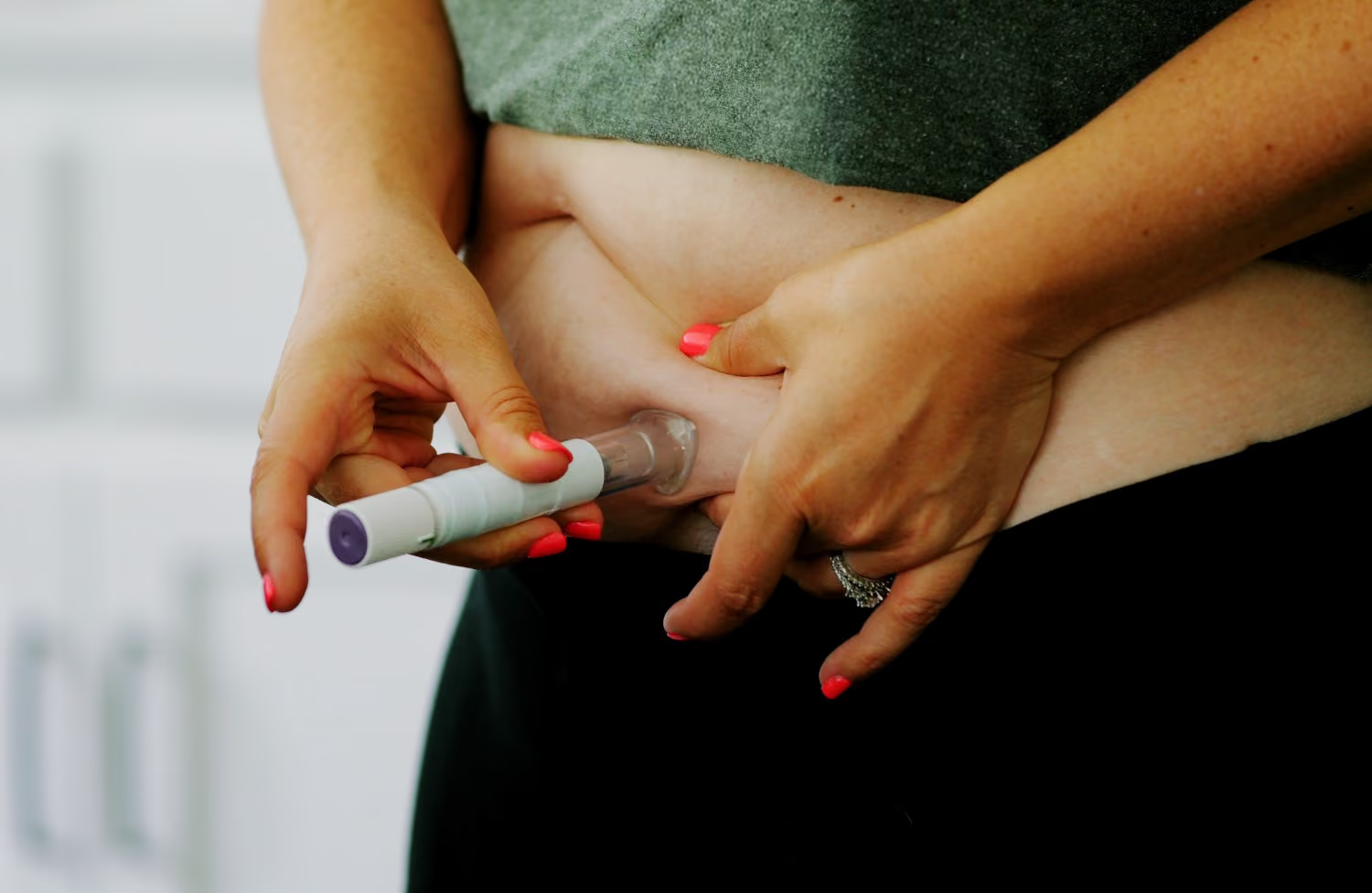
Tirzepatide for weight management is administered as a once-weekly subcutaneous injection. The prescribing regimen starts at a lower dose and can be increased gradually according to the recommended schedule and individual tolerance.
Gradual dose escalation allows your healthcare provider to assess how you respond before moving to a higher dose.
During follow-up appointments, your provider may review:
- Weight changes
- Appetite and eating patterns
- Medication tolerance
- Gastrointestinal symptoms
- Other medications
- Relevant health measurements
- Progress toward your treatment goals
Do not change your dose or injection schedule without medical guidance.
Common Side Effects of Tirzepatide
Digestive symptoms are among the most commonly reported side effects of tirzepatide.
These may include:
- Nausea
- Diarrhea
- Vomiting
- Constipation
- Abdominal discomfort
- Decreased appetite
Symptoms may be more noticeable during dose escalation and can vary from person to person.
Tirzepatide also has important warnings and precautions. Zepbound carries a boxed warning concerning thyroid C-cell tumors based on findings in rats. It is contraindicated in people with a personal or family history of medullary thyroid carcinoma (MTC) or Multiple Endocrine Neoplasia syndrome type 2 (MEN 2). Human risk has not been established.
Your provider should review the medication's full prescribing information and your medical history before treatment.
Patient Testimonials


.svg)
Tirzepatide and Other Weight-Loss Medications
Tirzepatide is one of several prescription options available for medical weight management.
Tirzepatide acts on both GIP and GLP-1 receptors.
Semaglutide primarily acts through the GLP-1 receptor.
Phentermine works differently, primarily affecting the central nervous system and appetite.
The choice between medications depends on factors such as your medical history, other medications, treatment goals, potential side effects, contraindications, and cost. There is no single medication that is appropriate for every patient.
Tirzepatide Is Part of a Bigger Weight-Management Plan
Medication is only one component of treatment.
NIDDK notes that prescription weight-management medications work best when combined with lifestyle changes, including healthy eating and physical activity.
Your plan may also address:
- Protein and overall nutrition
- Resistance and aerobic exercise
- Sleep habits
- Appetite and eating patterns
- Metabolic health
- Body composition
- Long-term weight maintenance
For patients losing weight, paying attention to nutrition and physical activity can also help support the preservation of lean tissue.
Tirzepatide for Weight Management in New Jersey
Can Body Composition Be Tracked During Treatment?
Yes. Weight is useful, but it does not tell the whole story. A body composition scan may provide additional information about fat mass and lean mass. Tracking body composition can help put changes in body weight into context during a medically supervised weight-management program.
Your provider can determine whether this type of measurement is useful based on your goals and treatment plan.
What Happens If You Stop Tirzepatide?
Weight management often requires an ongoing strategy. People may regain some weight after stopping prescription weight-management medications. Maintaining healthy eating and physical activity habits can help support long-term weight management, but your healthcare provider should help determine what happens next if you discontinue treatment.
If you are considering stopping tirzepatide, discuss your options with your provider rather than changing treatment on your own.
Tirzepatide for Weight Management in New Jersey
Healthy Aging Medical Centers provides medical weight-management care for adults throughout New Jersey. Patients can discuss tirzepatide and other treatment options with the medical team to determine whether medication is appropriate for their circumstances.
Whippany, NJ
91 S Jefferson Rd Whippany, NJ 07981
Hazlet, NJ
155 Middle Rd Hazlet, NJ 07730
The goal is to select treatment based on your health, medical history, and response to therapy—not simply on a target number on the scale.
Frequently Asked Questions About Tirzepatide
Tirzepatide is used under different brand names for different medical indications. Zepbound® is FDA-approved for chronic weight management in eligible adults, while Mounjaro® is approved for certain adults with type 2 diabetes.
Tirzepatide acts on the GLP-1 pathway, but it is more accurately described as a dual GIP and GLP-1 receptor agonist because it activates both pathways.
Zepbound is the brand name for tirzepatide when prescribed for certain weight-management indications. The same active ingredient is marketed as Mounjaro for certain type 2 diabetes indications.
Zepbound is administered as a once-weekly subcutaneous injection. The dose is generally increased gradually according to the prescribing regimen and individual tolerance.
Tirzepatide can affect pathways involved in appetite and food intake. Some patients experience reduced hunger or increased feelings of fullness during treatment.
Common side effects include gastrointestinal symptoms such as nausea, diarrhea, vomiting, constipation, and abdominal discomfort. Your provider can explain what to expect and when symptoms require medical attention.
Tirzepatide has important contraindications and warnings. Zepbound should not be used by people with a personal or family history of medullary thyroid carcinoma or MEN 2. Your provider should also review your complete medical history and medications before prescribing it.
Zepbound prescribing information does not recommend combining it with another tirzepatide-containing product or a GLP-1 receptor agonist. Combining weight-management medications should only occur when specifically directed by a qualified healthcare professional.
No. Tirzepatide is intended to be used alongside a reduced-calorie diet and increased physical activity.
Tirzepatide is used for certain adults with type 2 diabetes under the brand name Mounjaro. Whether tirzepatide is appropriate depends on your specific medical condition, medications, and treatment goals.
Some weight regain may occur after stopping weight-management medication. Your provider can help develop a longer-term strategy for maintaining weight changes and determine whether continued treatment is appropriate.
Healthy Aging Medical Centers has locations in Whippany and Hazlet, New Jersey. You can discuss your weight history, health goals, current medications, and whether tirzepatide may be an appropriate treatment option.
LEARN MORE ABOUT HEALTHY AGING




OUR LOCATIONS
With locations in Whippany, Hazlet, and Miami, we provide personalized medical, wellness, longevity, and aesthetic care designed around your individual health needs.
Healthy Aging + Private Concierge Medicine

