
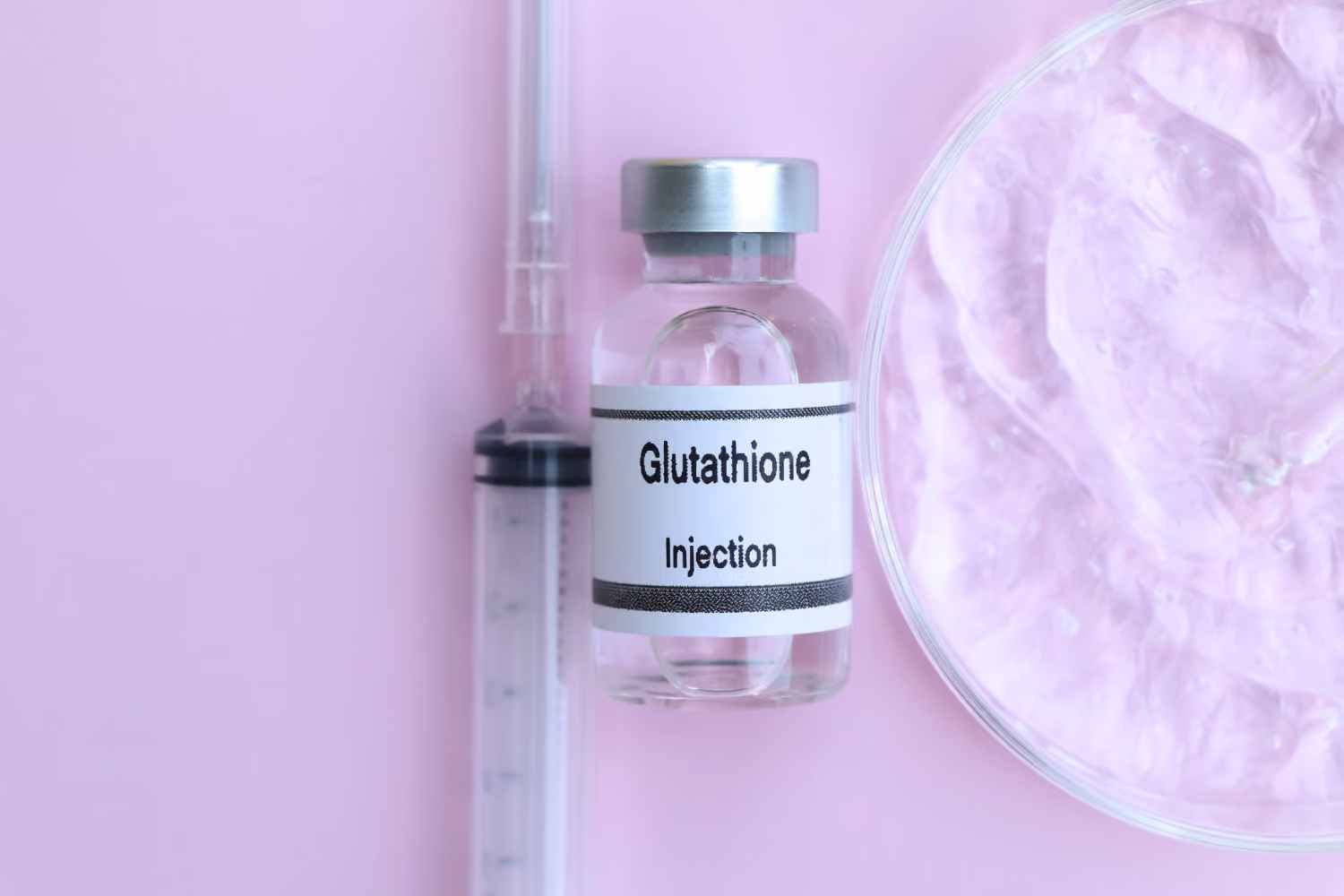
Glutathione Injections in New Jersey
Glutathione is a naturally occurring antioxidant involved in protecting cells from oxidative stress. It has attracted interest in wellness and longevity settings, where people may ask about glutathione injections for antioxidant support and other potential health goals.
However, injectable glutathione is not appropriate for everyone, and the evidence for many wellness-related uses remains limited. At Healthy Aging Medical Centers, treatment decisions should begin with your health history, medical needs, and a discussion of whether an injectable treatment is appropriate for you.
What Is Glutathione?
Glutathione is a compound naturally produced by the body. It helps participate in antioxidant processes that protect cells from oxidative damage.
The body can obtain the building blocks needed to produce glutathione through normal metabolism and nutrition. Interest in supplemental glutathione has led to the use of oral products and, in some clinical settings, compounded injectable formulations.
These forms are not necessarily equivalent. Injectable glutathione introduces additional considerations involving formulation, sterility, sourcing, administration, and potential adverse reactions.
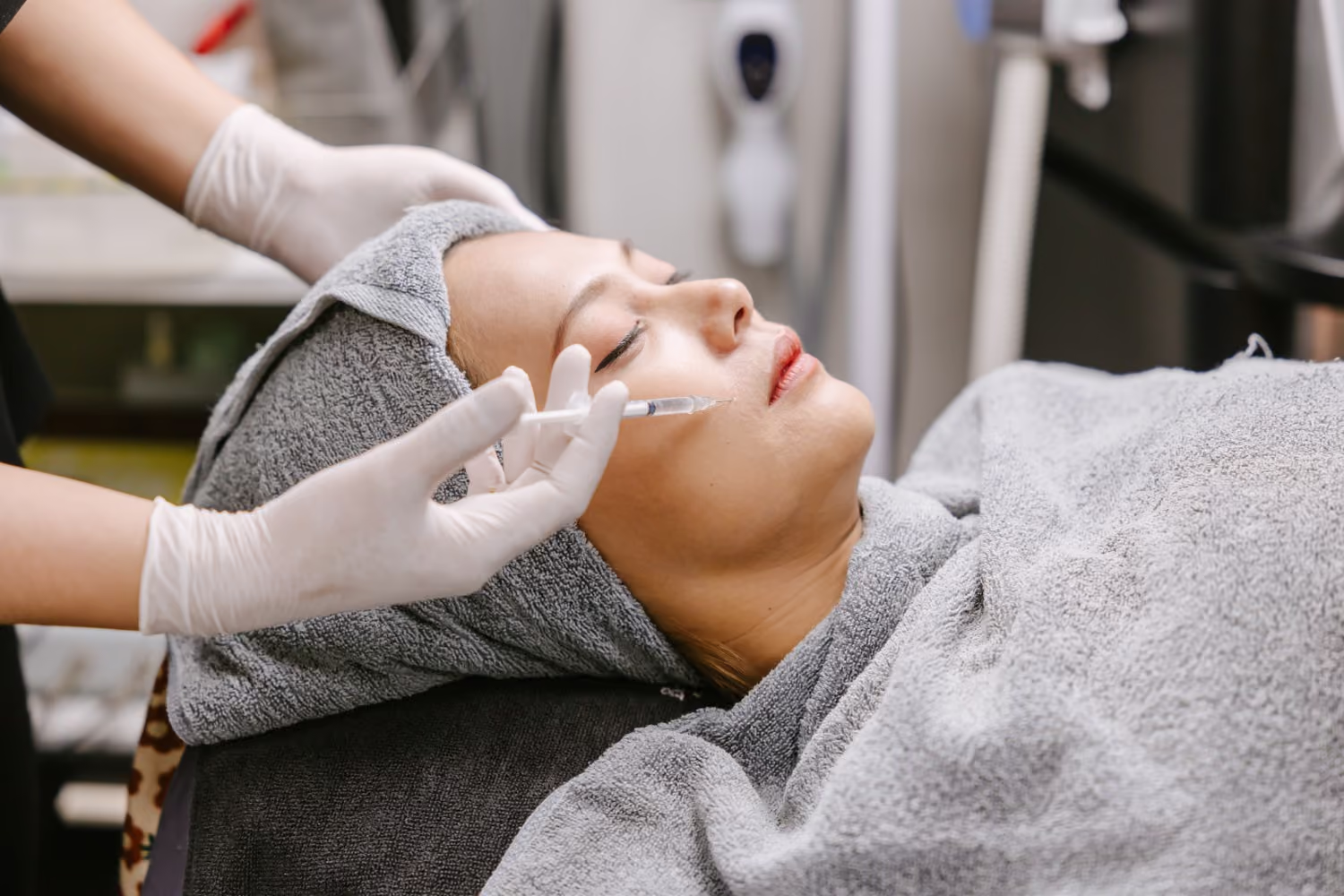
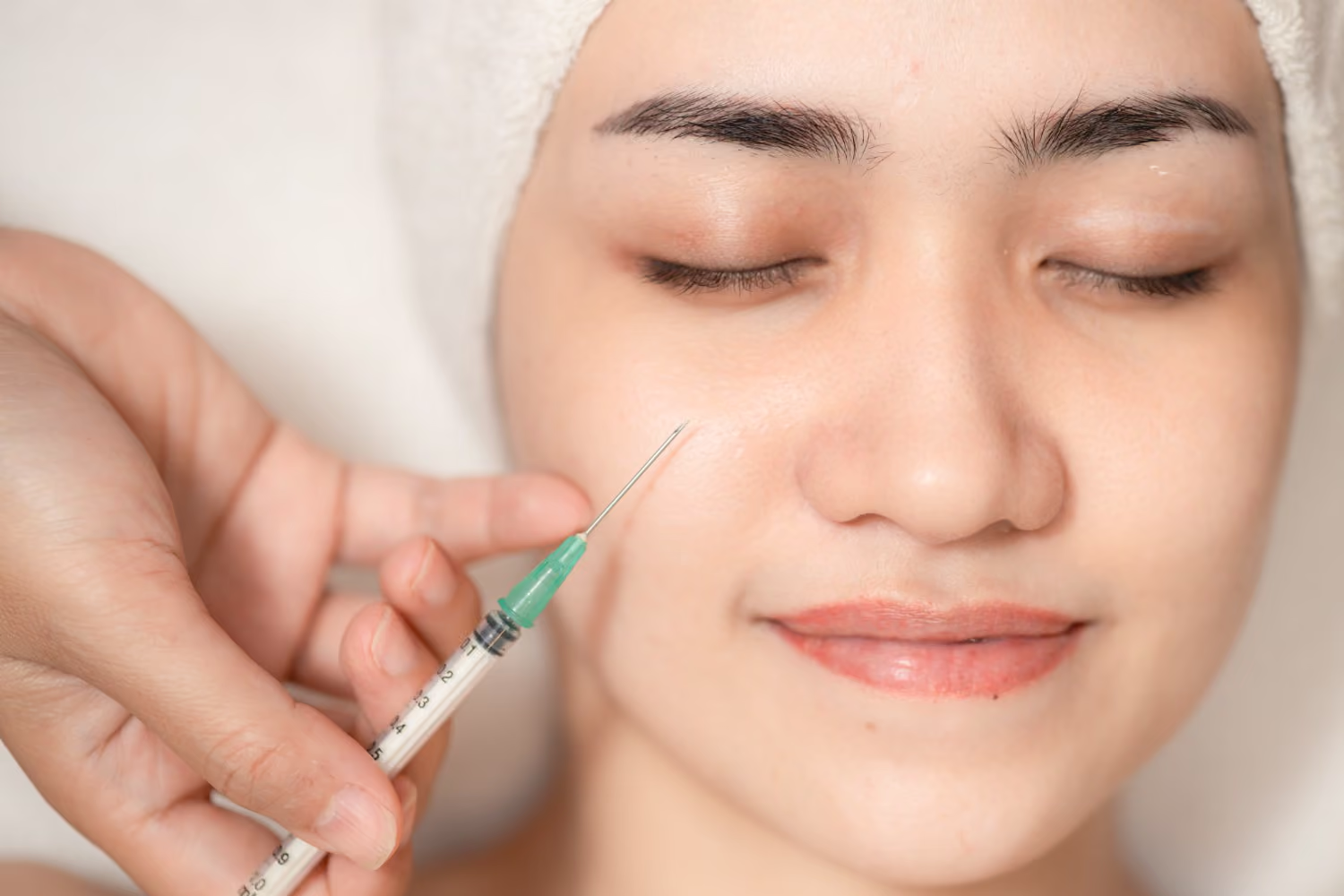
Why Do People Ask About Glutathione Injections?
Patients may ask about glutathione in connection with:
- Antioxidant support
- Healthy aging
- General wellness
- Oxidative stress
- Skin-related concerns
- Supplement-based wellness programs
However, marketing claims surrounding glutathione can extend beyond what clinical evidence supports. FDA's evaluation found insufficient evidence of effectiveness for several proposed uses of compounded glutathione and identified safety concerns associated particularly with injectable formulations.
For that reason, glutathione injections should not be presented as a cure-all or as a guaranteed way to improve energy, immunity, detoxification, or appearance.
How Does Glutathione Work in the Body?
Glutathione is part of the body's antioxidant defense system. It participates in processes that help maintain the balance between oxidizing compounds and antioxidants. It also participates in certain metabolic and cellular processes.
Having an important biological role does not necessarily mean that taking additional glutathione will produce a measurable health benefit for every person. The effect of supplementation depends on factors such as the route of administration, dose, underlying health, and the reason for treatment.
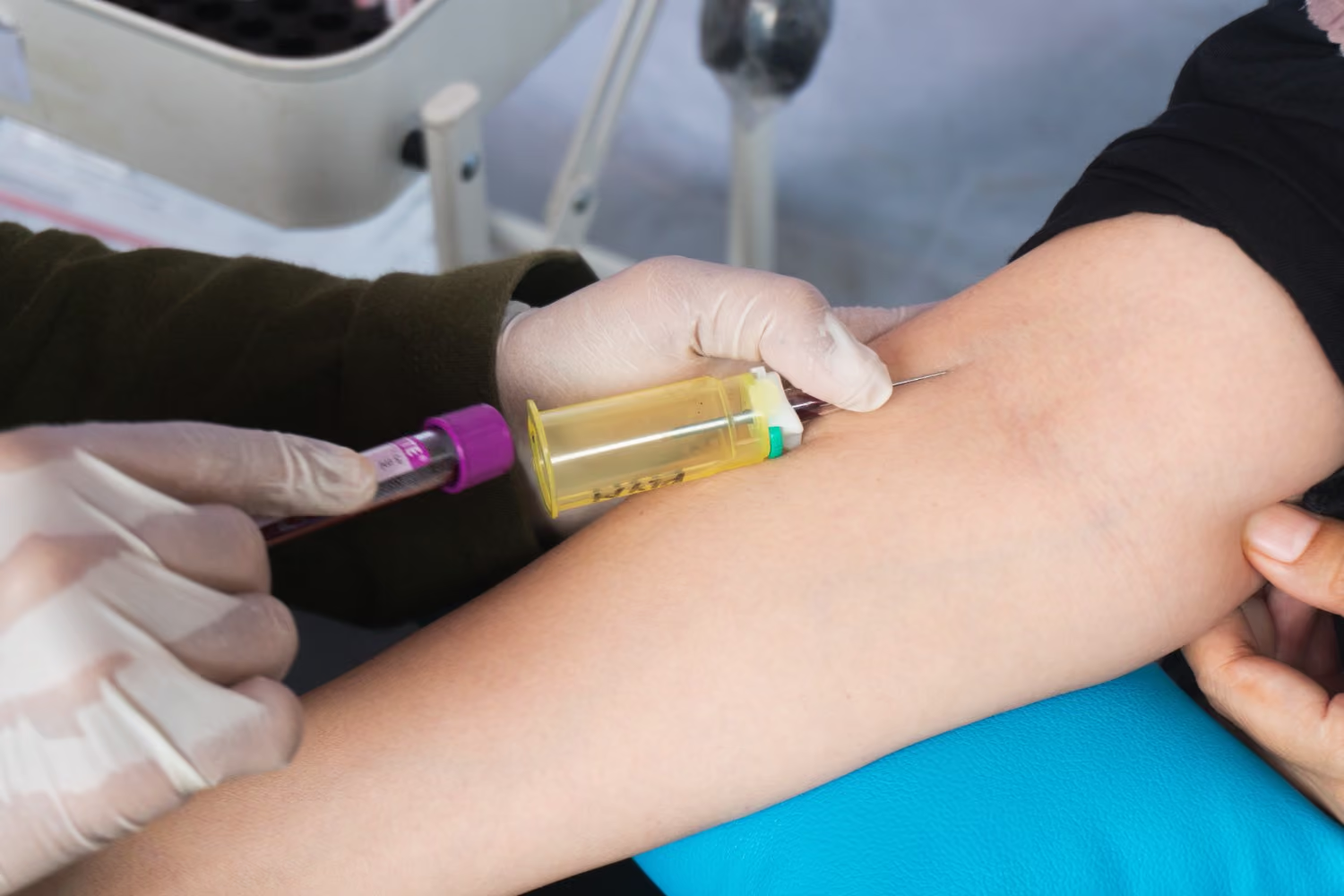

Who May Consider Glutathione Treatment?
Whether glutathione supplementation is appropriate depends on the individual's circumstances.
Before considering an injection, your healthcare provider may review:
- Your medical history
- Current medications and supplements
- Allergies and previous reactions
- Kidney and liver health
- Current health concerns
- The reason you are considering glutathione
- Other available treatment options
A medical evaluation is particularly important when an injectable or compounded medication is being considered.
What About Glutathione for Skin Brightening?
Glutathione is frequently promoted for cosmetic skin-lightening purposes, but the evidence for intravenous glutathione is limited, particularly regarding long-term safety. A published review found inadequate evidence to establish the safety of chronic IV glutathione use for skin lightening.
For that reason, injectable glutathione should not be marketed as a guaranteed skin-lightening or complexion treatment. If pigmentation or another skin concern is your primary reason for seeking treatment, a proper dermatologic evaluation may be more appropriate.
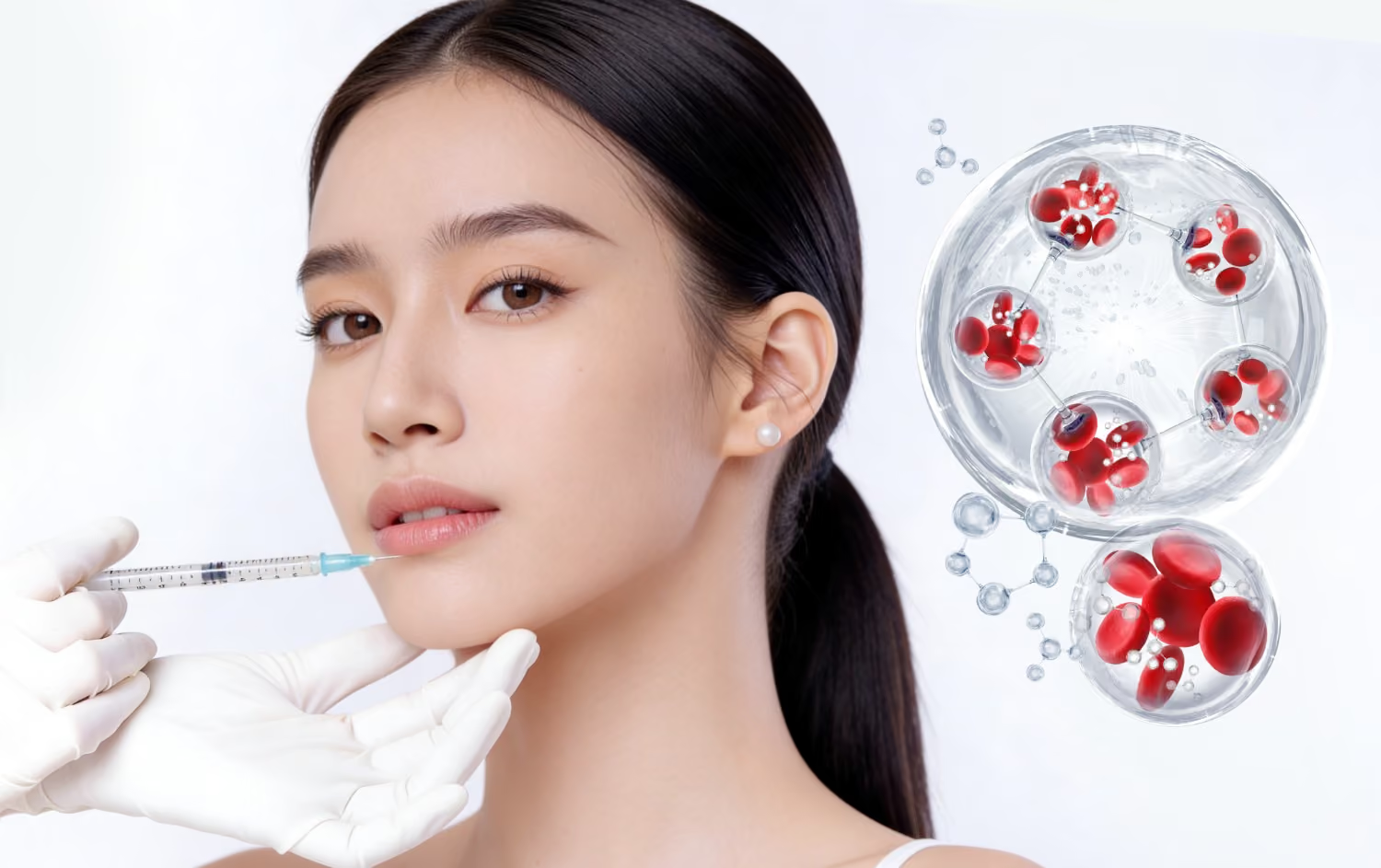

Safety Matters With Injectable Glutathione
Injectable treatments require greater attention to product quality and sterile preparation than oral supplements.
FDA has recently reported adverse events associated with certain compounded IV glutathione products, including symptoms consistent with excessive endotoxin exposure. The agency specifically advised compounders not to use dietary-supplement-grade glutathione when preparing injectable drugs.
FDA has also documented previous cases involving compounded glutathione injections associated with excessive bacterial endotoxin levels and serious reactions.
This does not mean that every glutathione injection is affected. It does mean that the source, formulation, compounding practices, sterility, and quality controls matter. Patients considering injectable glutathione should ask their healthcare provider about the source and preparation of the product being administered.
What Side Effects Can Glutathione Injections Cause?
The potential risks depend on the formulation and route of administration.
Reported reactions associated with injectable glutathione have included:
- Nausea
- Vomiting
- Dizziness
- Headache
- Changes in blood pressure
- Chills or fever
- Injection-related reactions
- Hypersensitivity or allergic reactions
Serious reactions have also been reported with certain compounded products, particularly those associated with excessive endotoxin levels. Your healthcare provider should review the potential benefits and risks before treatment.
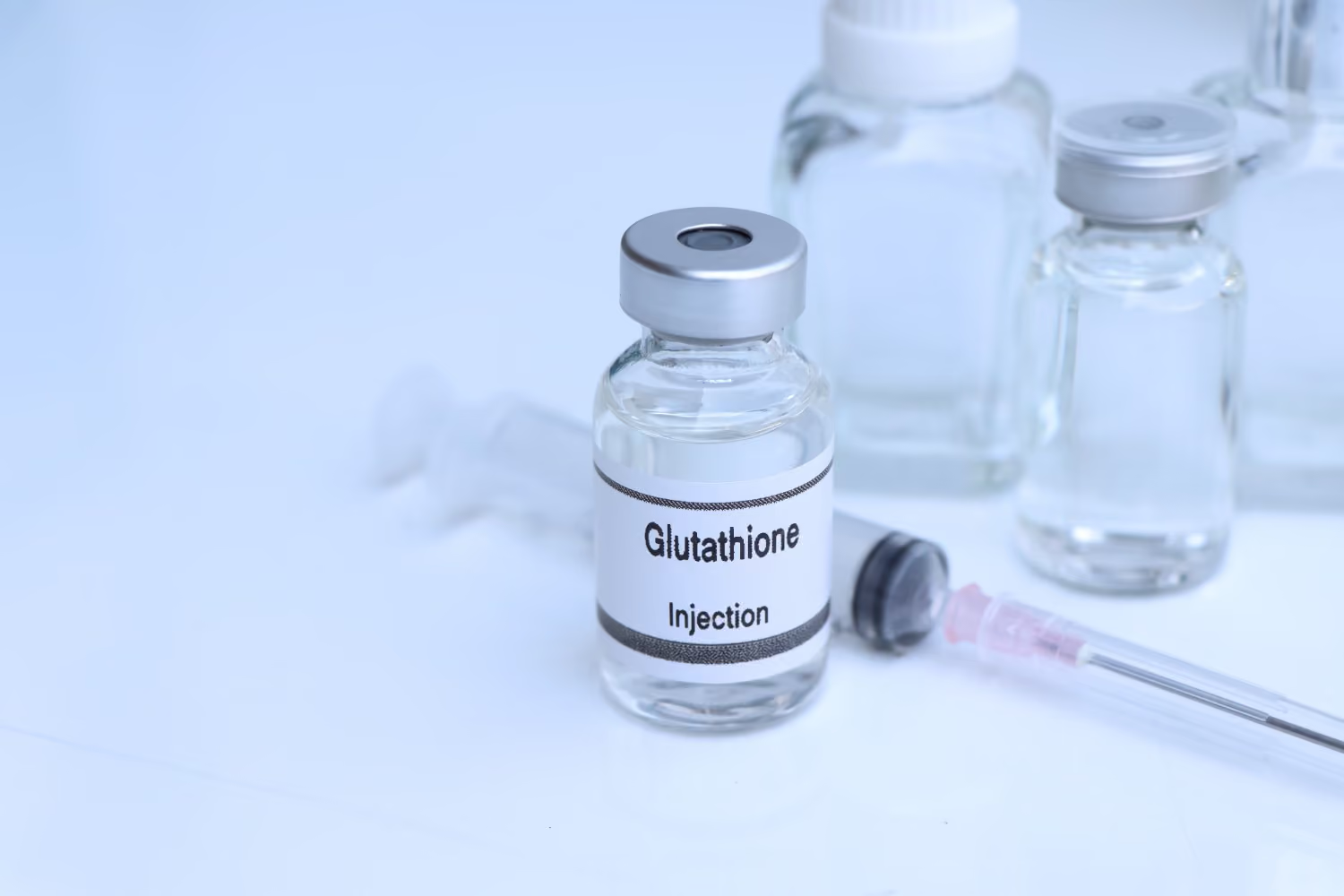
Glutathione Injections vs. Oral Glutathione
Glutathione can be taken in different forms, but an injectable formulation should not automatically be assumed to be more effective than an oral product. The route of administration affects absorption, exposure, and potential risks. Injectable treatment also introduces risks associated with sterile compounding and administration.
Your provider can discuss whether supplementation is appropriate and which approach, if any, makes sense for your circumstances.
Patient Testimonials


.svg)
Glutathione & Healthy Aging
Glutathione as Part of a Broader Wellness Plan
If glutathione is considered appropriate, it should fit within a larger approach to health rather than replace evidence-based medical care.
A wellness or healthy-aging plan may also address:
- Nutrition
- Physical activity
- Sleep
- Weight and metabolic health
- Body composition
- Preventive screenings
- Management of chronic conditions
- Appropriate vitamin or nutrient supplementation
The purpose is to address the factors that have the greatest relevance to your health rather than relying on a single injection.
Discuss Glutathione Injections in New Jersey
Healthy Aging Medical Centers provides health and wellness-focused medical care for adults throughout New Jersey. If you are interested in glutathione injections, the medical team can review your goals, medical history, medications, and the potential benefits and risks of treatment.
Whippany, NJ 91 S Jefferson Rd Whippany, NJ 07981
Hazlet, NJ 155 Middle Rd Hazlet, NJ 07730
Because injectable glutathione has specific safety and compounding considerations, treatment should be approached as a medical decision rather than simply a wellness supplement.
Frequently Asked Questions About Glutathione Injections
Glutathione injections deliver glutathione through an injectable route rather than orally. Glutathione is a naturally occurring antioxidant involved in several cellular processes.
They are sometimes offered in wellness and longevity settings for proposed antioxidant or other wellness-related purposes. However, evidence for many of these uses is limited, and glutathione injections should not be presented as a treatment for every health concern.
Glutathione participates in normal metabolic processes, but describing an injection as a general-purpose “detox” treatment overstates the available evidence. Your body already has organs and biochemical systems responsible for processing and eliminating waste.
Glutathione is marketed for skin lightening in some settings, but evidence supporting intravenous glutathione for this purpose is limited, particularly regarding long-term safety.
Safety depends on the formulation, source, preparation, route, dose, and individual patient factors. FDA has recently reported adverse events associated with certain compounded IV glutathione products and has raised concerns about inappropriate ingredients being used for injectable compounding.
Ask your healthcare provider what formulation is being used, where the injectable ingredient comes from, how it is compounded or prepared, and whether the treatment is appropriate for your medical history.
Glutathione itself should not be described as an FDA-approved treatment for general wellness, anti-aging, or cosmetic skin lightening. Compounded preparations have different regulatory considerations, and FDA has raised specific safety concerns regarding certain injectable glutathione products.
It depends on the specific products and your health history. Tell your healthcare provider about all medications, vitamins, supplements, and injections you use before starting treatment.
It may be discussed in the context of wellness or longevity care, but there is not sufficient evidence to describe injectable glutathione as a proven anti-aging or lifespan-extending treatment.
Healthy Aging Medical Centers has locations in Whippany and Hazlet, New Jersey. You can discuss whether glutathione supplementation is appropriate for your health goals and what treatment options are available.
LEARN MORE ABOUT HEALTHY AGING




OUR LOCATIONS
With locations in Whippany, Hazlet, and Miami, we provide personalized medical, wellness, longevity, and aesthetic care designed around your individual health needs.
Healthy Aging + Private Concierge Medicine

