

Semaglutide for Weight Loss in New Jersey
If losing weight has become difficult despite changes to your diet and activity level, prescription treatment may be worth discussing with a healthcare professional. Semaglutide is one medication used as part of medical weight management for eligible adults.
Semaglutide belongs to a group of medications called GLP-1 receptor agonists. It can affect appetite, food intake, and blood sugar regulation, which may help some people reduce their overall food intake and lose weight when treatment is combined with healthy eating and physical activity.
At Healthy Aging Medical Centers, semaglutide treatment starts with an evaluation of your health history, weight-management goals, current medications, and potential risks.
What Is Semaglutide?
Semaglutide is a medication that mimics the activity of the naturally occurring hormone glucagon-like peptide-1 (GLP-1).
GLP-1 plays a role in appetite regulation and blood glucose control. Semaglutide can act on areas of the brain involved in appetite and food intake and can also slow stomach emptying. These effects may help some patients feel satisfied after eating less.
Semaglutide is not simply an appetite suppressant. It works through hormonal pathways involved in appetite and metabolism, which is one reason it is used differently from medications such as phentermine.
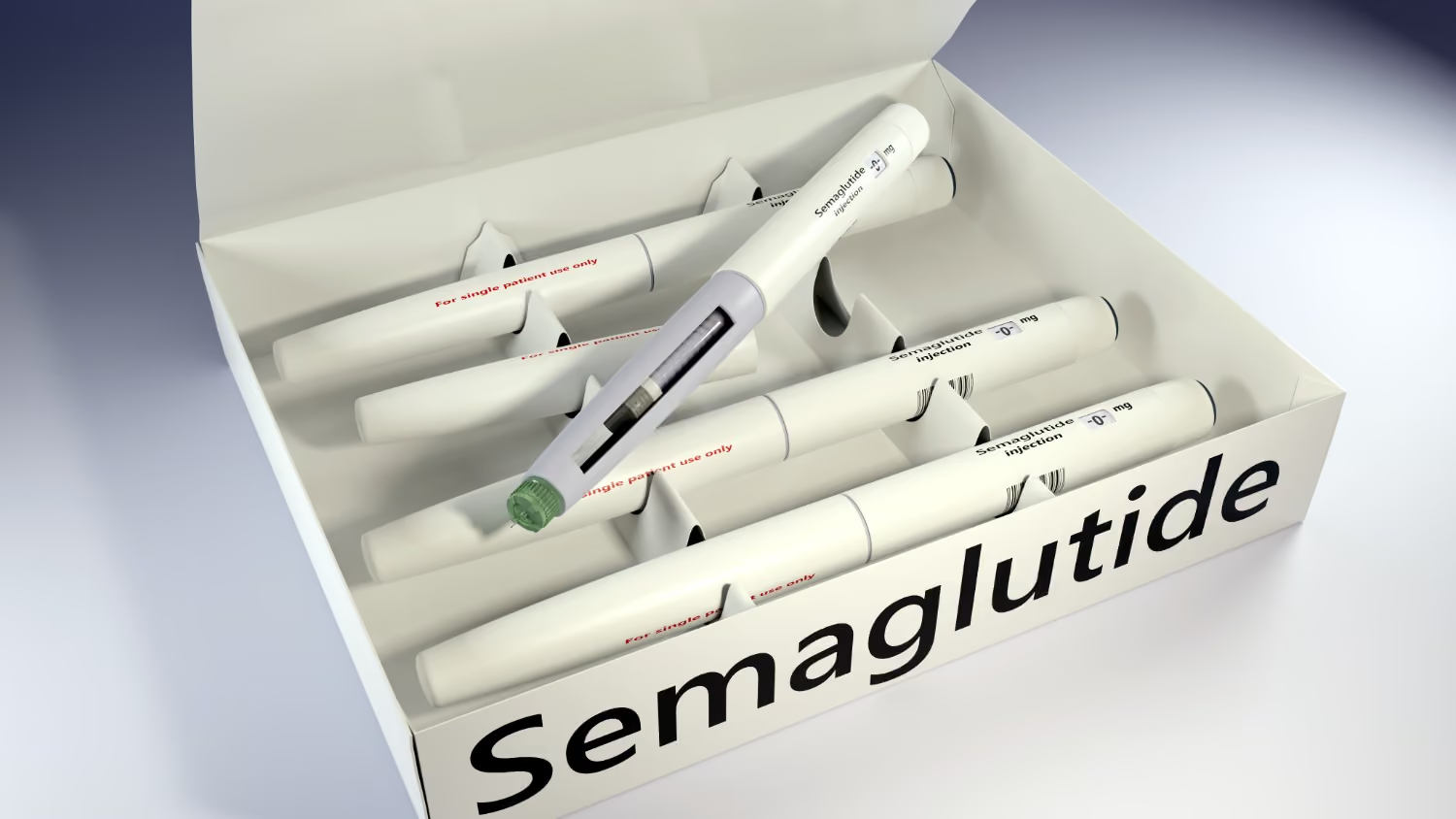

Semaglutide and Weight Management
Semaglutide is approved as Wegovy® for chronic weight management in appropriate patients. The medication is used along with a reduced-calorie eating plan and increased physical activity rather than as a replacement for either one.
Prescription weight-management medication may be considered for adults with:
A BMI of 30 or greater
A BMI of 27 or greater with a weight-related health condition
BMI is only one part of the evaluation. Your provider should also consider your medical history, medications, health risks, and previous attempts at weight management.
How Does Semaglutide Help With Appetite?
One reason semaglutide may support weight loss is its effect on appetite and food intake.
Some patients report feeling full sooner or having less interest in food while taking the medication. Because individual responses differ, the goal is not simply to eliminate appetite. Instead, treatment may make it easier for an appropriate patient to follow a sustainable nutrition plan.
Semaglutide can also slow stomach emptying, particularly during treatment, which can contribute to feelings of fullness.

Who May Be a Candidate for Semaglutide?
Semaglutide is not appropriate for everyone who wants to lose weight.
Before prescribing treatment, your healthcare provider may review:
- Current weight and BMI
- Previous weight-loss attempts
- Blood pressure and metabolic health
- Blood glucose or diabetes history
- Current prescription medications
- Digestive and gastrointestinal history
- Personal and family medical history
- Other health conditions
- Your weight-management goals
This evaluation helps determine whether semaglutide is appropriate and whether another treatment may make more sense.
What Happens When You Start Semaglutide?
Semaglutide treatment generally begins with a lower dose that is gradually increased according to the prescribing regimen and individual tolerance. Starting at a lower dose can allow your body time to adjust to treatment. Your provider may monitor your response before making dose changes.
During follow-up visits, your healthcare team may discuss:
- Changes in weight
- Appetite and eating patterns
- Gastrointestinal symptoms
- Medication tolerance
- Other medications
- Relevant health measurements
- Progress toward your treatment goals
You should not change your dose or injection schedule without discussing it with your healthcare provider.


Possible Side Effects of Semaglutide
The most common side effects associated with semaglutide include gastrointestinal symptoms. Depending on the product and individual response, these may include:
- Nausea
- Vomiting
- Diarrhea
- Constipation
- Abdominal discomfort
Symptoms may be more noticeable when treatment is started or the dose is increased.
Semaglutide also has important warnings and contraindications that need to be reviewed before treatment. For example, products containing semaglutide used for weight management have a contraindication for people with a personal or family history of medullary thyroid carcinoma (MTC) or multiple endocrine neoplasia syndrome type 2 (MEN 2).
Your provider should review the specific medication's prescribing information and your health history before treatment.
Patient Testimonials


.svg)
Semaglutide, Ozempic®, Wegovy®, and Rybelsus®
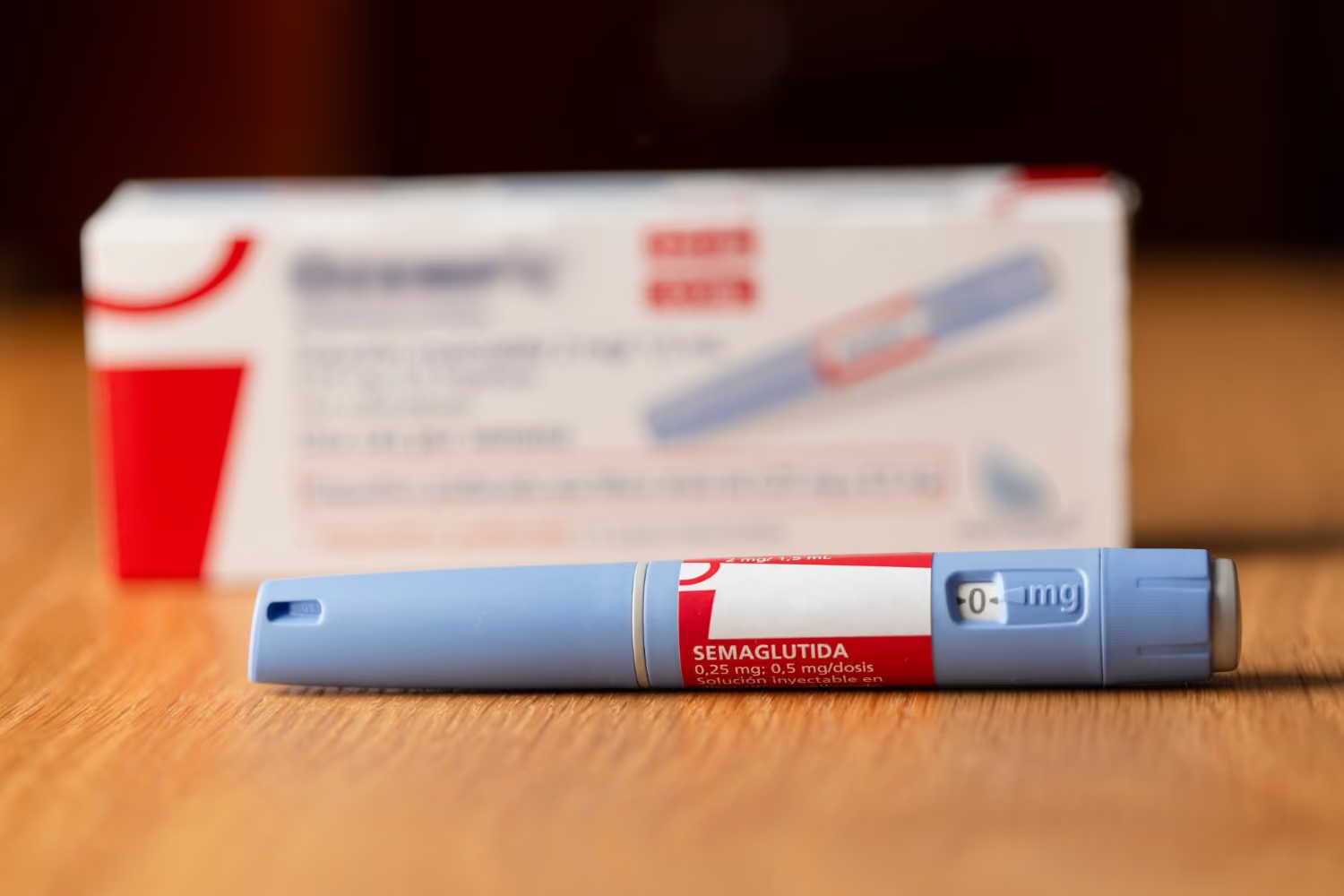
Patients often see several different brand names associated with semaglutide, which can be confusing.
Wegovy® contains semaglutide and is FDA-approved for chronic weight management in appropriate patients.
Ozempic® contains semaglutide and is approved for specific uses related to type 2 diabetes and cardiovascular risk reduction in certain adults with type 2 diabetes.
Rybelsus® is an oral semaglutide product approved for certain adults with type 2 diabetes.
These products have different approved indications, doses, and administration instructions. They should not be treated as interchangeable simply because they contain the same active ingredient.
Semaglutide vs. Phentermine
Semaglutide and phentermine work differently.
Semaglutide acts through the GLP-1 pathway and is available as a long-term weight-management medication when appropriately prescribed.
Phentermine primarily affects the central nervous system and is FDA-approved for short-term use as an adjunct to a reduced-calorie diet.
Which treatment is appropriate depends on your health history, other medications, potential risks, treatment goals, and how you respond to therapy.
Semaglutide for Weight Management in New Jersey
Does Semaglutide Replace Diet and Exercise?
No. Weight-management medications work best when combined with healthy eating and physical activity. Semaglutide can be one component of a broader plan rather than a substitute for lifestyle changes.
Your plan may also address:
- Protein and overall nutrition
- Physical activity
- Strength training
- Sleep
- Eating patterns
- Metabolic health
- Long-term weight maintenance
For patients losing weight, maintaining adequate nutrition and physical activity can also be important when the goal includes preserving lean tissue.
What Happens If You Stop Semaglutide?
Weight management generally requires a long-term strategy. Some people regain weight after stopping prescription weight-management medication. NIDDK notes that maintaining healthy eating and physical activity habits may help limit weight regain, while some patients may continue medication when they are benefiting and not experiencing significant adverse effects.
If you are considering stopping semaglutide, talk with your healthcare provider about how to transition your weight-management plan rather than stopping treatment on your own.
Monitor More Than the Number on the Scale
Weight is useful, but it is not the only measurement that matters. Depending on your treatment plan, your healthcare provider may also consider body composition, waist measurements, metabolic markers, physical activity, and overall health.
A body composition scan can provide additional information about changes in fat mass and lean mass, which may help put changes in body weight into context.
Discuss Semaglutide for Weight Management Near You in New Jersey
Healthy Aging Medical Centers provides medical weight-management care for adults throughout New Jersey. Patients can discuss semaglutide and other prescription treatment options with the medical team to determine whether medication is appropriate for their circumstances.
Whippany, NJ
91 S Jefferson Rd Whippany, NJ 07981
Hazlet, NJ
155 Middle Rd Hazlet, NJ 07730
Treatment decisions should be based on your health history, current medications, medical needs, and response to treatment not simply on a desired number on the scale.
Frequently Asked Questions About Semaglutide
Semaglutide is used for different medical indications depending on the specific product and dose. Wegovy is FDA-approved for chronic weight management in eligible patients, while other semaglutide products have approved indications for type 2 diabetes and related conditions.
Wegovy contains semaglutide, but the terms are not interchangeable in every context. Wegovy is a specific brand and formulation approved for chronic weight management.
Both contain semaglutide, but Ozempic and Wegovy have different FDA-approved indications and dosing regimens. Your healthcare provider can determine which product is appropriate for your medical needs.
Semaglutide acts on GLP-1 pathways involved in appetite and food intake. It can also slow stomach emptying, which may contribute to feelings of fullness.
The response varies from person to person. Treatment is generally introduced gradually, and weight changes occur over time rather than immediately. Your provider can evaluate your response during follow-up appointments.
Nausea, vomiting, diarrhea, constipation, and abdominal discomfort are among the gastrointestinal side effects associated with semaglutide. Your provider can explain what to expect and when you should contact the office.
Semaglutide is used in certain diabetes treatments, but the appropriate product and dose depend on your medical condition and treatment goals. Your provider can determine which formulation is appropriate.
Semaglutide has important contraindications and warnings. People with a personal or family history of medullary thyroid carcinoma or MEN 2 should not use products containing semaglutide for weight management. Your provider should also review your complete medical history before prescribing treatment.
Weight regain can occur after stopping weight-management medication. Long-term nutrition, physical activity, and an ongoing weight-management strategy can be important for maintaining results.
Healthy Aging Medical Centers has locations in Whippany and Hazlet, New Jersey. You can discuss your weight history, health goals, current medications, and whether semaglutide is an appropriate option for you.
LEARN MORE ABOUT HEALTHY AGING




OUR LOCATIONS
With locations in Whippany, Hazlet, and Miami, we provide personalized medical, wellness, longevity, and aesthetic care designed around your individual health needs.
Healthy Aging + Private Concierge Medicine

