
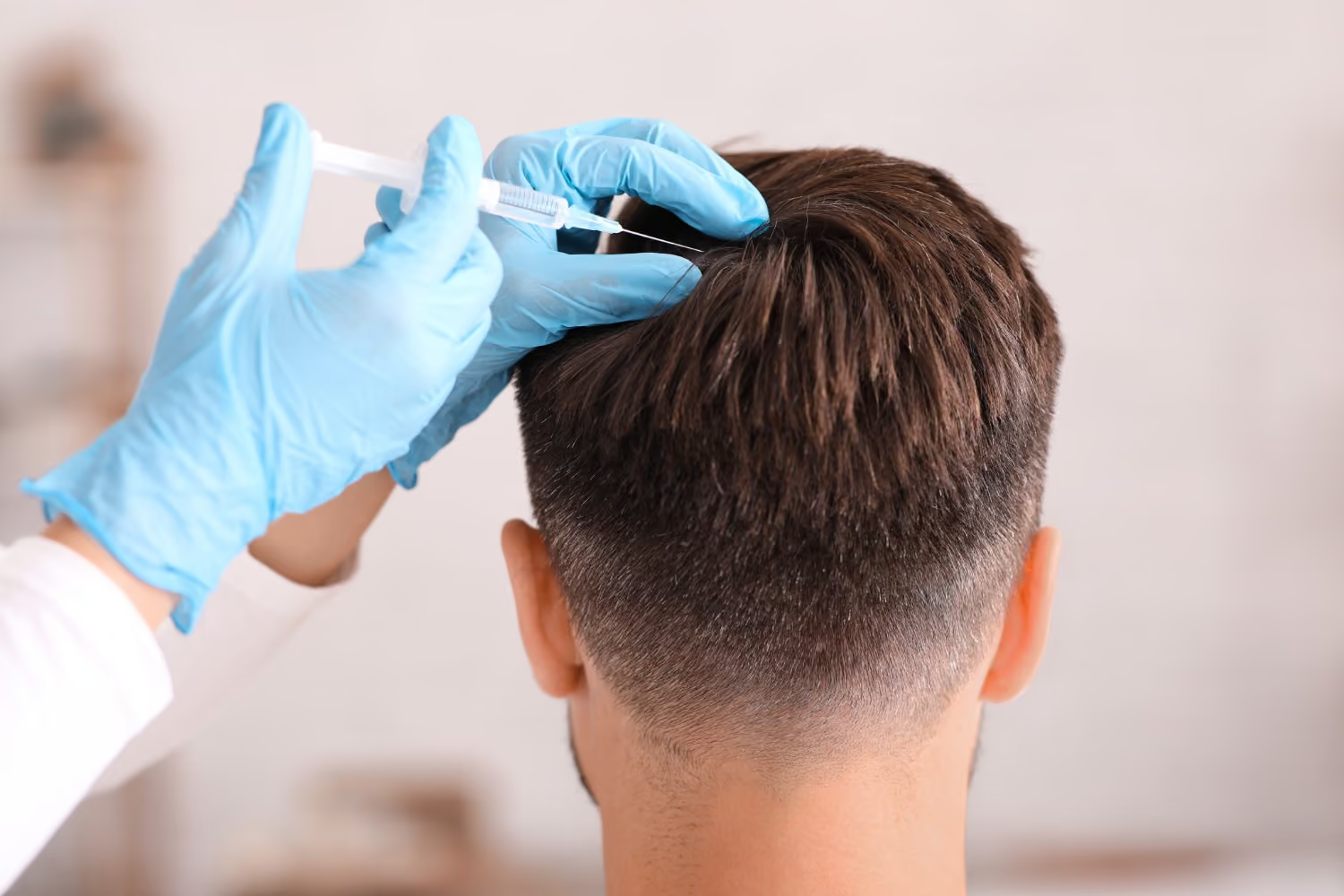
PRP Hair Treatment in New Jersey
Thinning hair, a widening part, or a receding hairline can develop gradually and become more noticeable over time. PRP hair treatment is a minimally invasive approach that uses platelet-rich plasma prepared from your own blood and injected into areas of the scalp affected by hair thinning.
PRP has been studied most extensively for androgenetic alopecia, also known as male and female pattern hair loss. Research suggests that PRP may improve hair density and thickness in some patients, although results vary and treatment protocols are not standardized.
At Healthy Aging Medical Centers, PRP hair treatment can be considered as part of an individualized approach to hair loss after evaluating your pattern of thinning and overall health.
What Is PRP Hair Treatment?
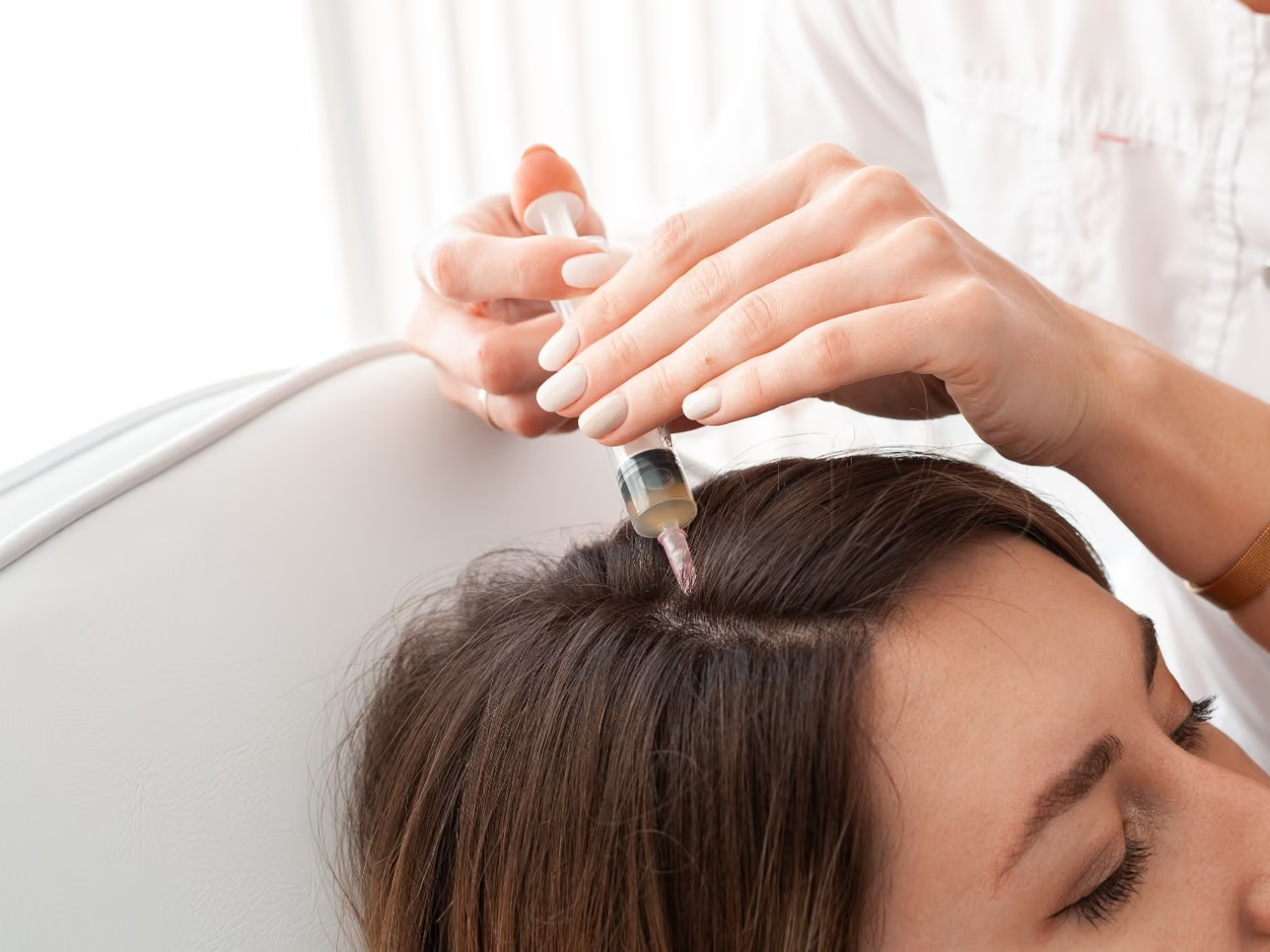
Platelet-rich plasma, or PRP, is made from a small sample of your own blood. During treatment, blood is collected and processed in a centrifuge to separate its components and concentrate the platelets within the plasma. The prepared PRP is then injected into selected areas of the scalp.
Platelets contain growth factors and other signaling proteins involved in normal tissue repair. Researchers are studying whether these factors may influence the hair follicle environment and support hair growth in people with certain types of hair loss.
The American Academy of Dermatology recognizes PRP as a treatment that may help some people with hair loss, while also noting that not every type of hair loss responds to the treatment.
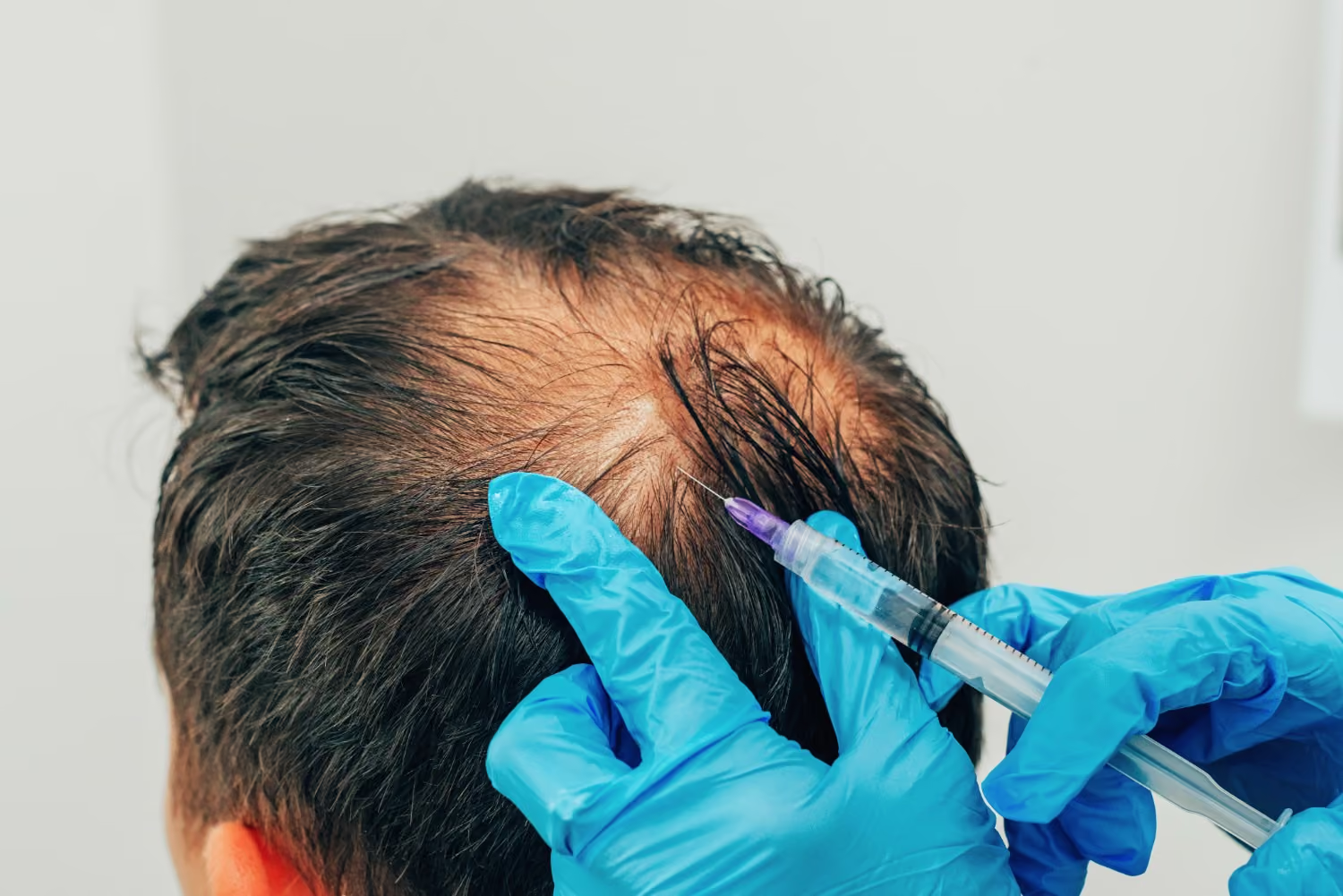
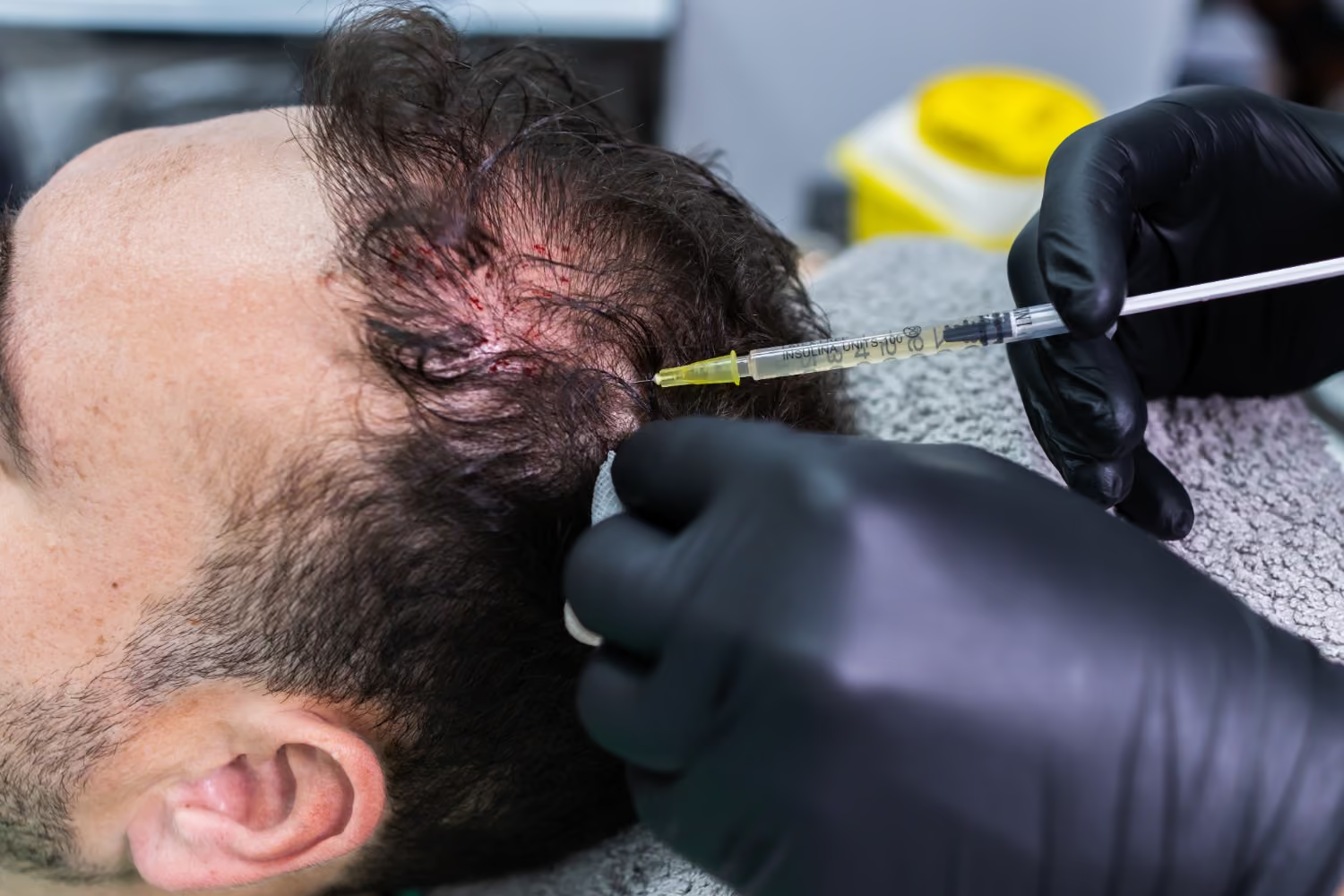
How Does PRP Help With Hair Thinning?
The goal of PRP treatment is to deliver a concentrated preparation of your own platelets to areas where hair follicles are becoming weaker or producing thinner hair.
Research has investigated potential effects on:
- Hair follicle activity
- Hair density
- Hair shaft thickness
- Local tissue signaling
- The scalp environment surrounding hair follicles
Clinical studies have reported improvements in hair density and thickness in some people with androgenetic alopecia. However, studies differ in how PRP is prepared, how much is injected, how often treatments are performed, and how results are measured.
Who May Be a Candidate for PRP Hair Treatment?
PRP may be considered for adults experiencing certain forms of hair thinning, particularly pattern hair loss.
You may want to discuss PRP if you have:
- Gradual thinning on the scalp
- Male pattern hair loss
- Female pattern hair loss
- Reduced hair density
- Early or moderate hair thinning
- An interest in a minimally invasive treatment option
PRP is not appropriate for every cause of hair loss. Sudden shedding, scalp inflammation, scarring alopecia, alopecia areata, nutritional deficiencies, thyroid disorders, and other conditions may require different evaluation and treatment.
Identifying the cause of hair loss is therefore an important first step.
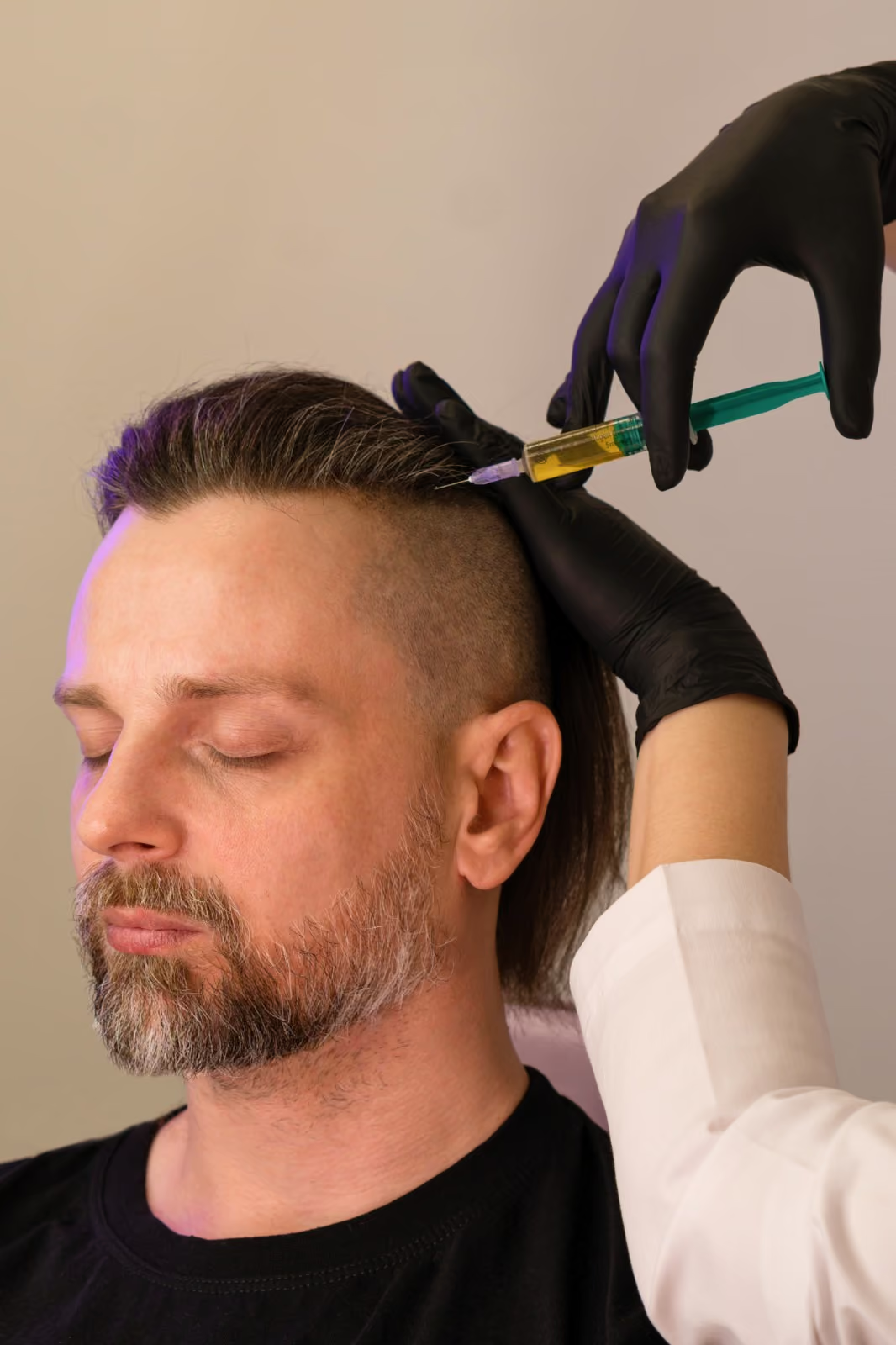

How Many PRP Hair Treatments Will I Need?
There is no single universally accepted PRP schedule for hair loss. Clinical studies have used different treatment intervals and numbers of sessions. The AAD describes a commonly used approach involving monthly treatments initially, followed by maintenance treatments every few months.
Your treatment schedule should be based on your diagnosis, degree of hair thinning, response to treatment, and the PRP protocol used by your provider.
When Will I See PRP Hair Treatment Results?
PRP does not produce overnight hair growth. Hair follicles operate through natural growth cycles, so improvement typically takes time. Some patients may notice reduced shedding or changes in hair density after several months, while others may see less noticeable improvement.
The AAD notes that PRP can take months before results become apparent and that maintenance treatments may be needed to help maintain results.
Taking baseline photographs and periodically comparing hair density can make gradual changes easier to evaluate.
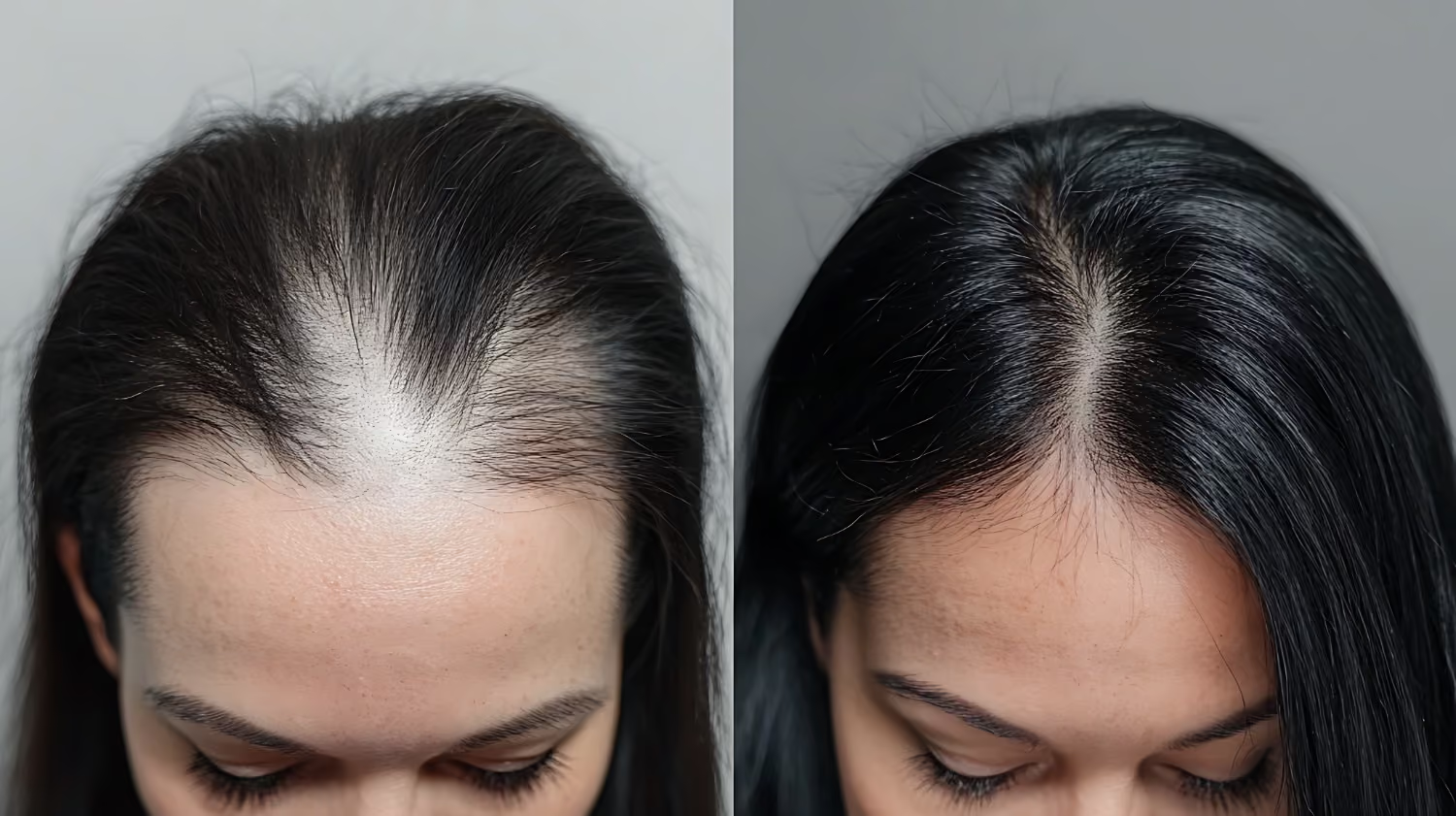

PRP for Male Pattern Hair Loss
Male pattern hair loss, or androgenetic alopecia, commonly causes recession around the temples, thinning at the crown, or progressive thinning across the top of the scalp.
PRP has been studied extensively in men with androgenetic alopecia. A 2024 systematic review found that several randomized studies reported improvements in hair density, but also noted limitations including study quality, differences in treatment protocols, and heterogeneity between studies.
PRP may be considered alone or alongside other evidence-based approaches depending on the individual.
What Happens During a PRP Hair Treatment?
A typical PRP session involves three main steps.
The procedure itself is relatively brief, although the total appointment time can vary depending on the preparation method and treatment area. The American Academy of Dermatology reports that the PRP procedure itself can take approximately 10 minutes once the preparation process is underway.
Blood Collection
A small amount of blood is drawn, usually from your arm.
PRP Preparation
The blood is placed into a centrifuge that separates the blood components and concentrates the platelet-rich plasma.
Scalp Injections
The prepared PRP is injected into targeted areas of the scalp where hair is thinning.
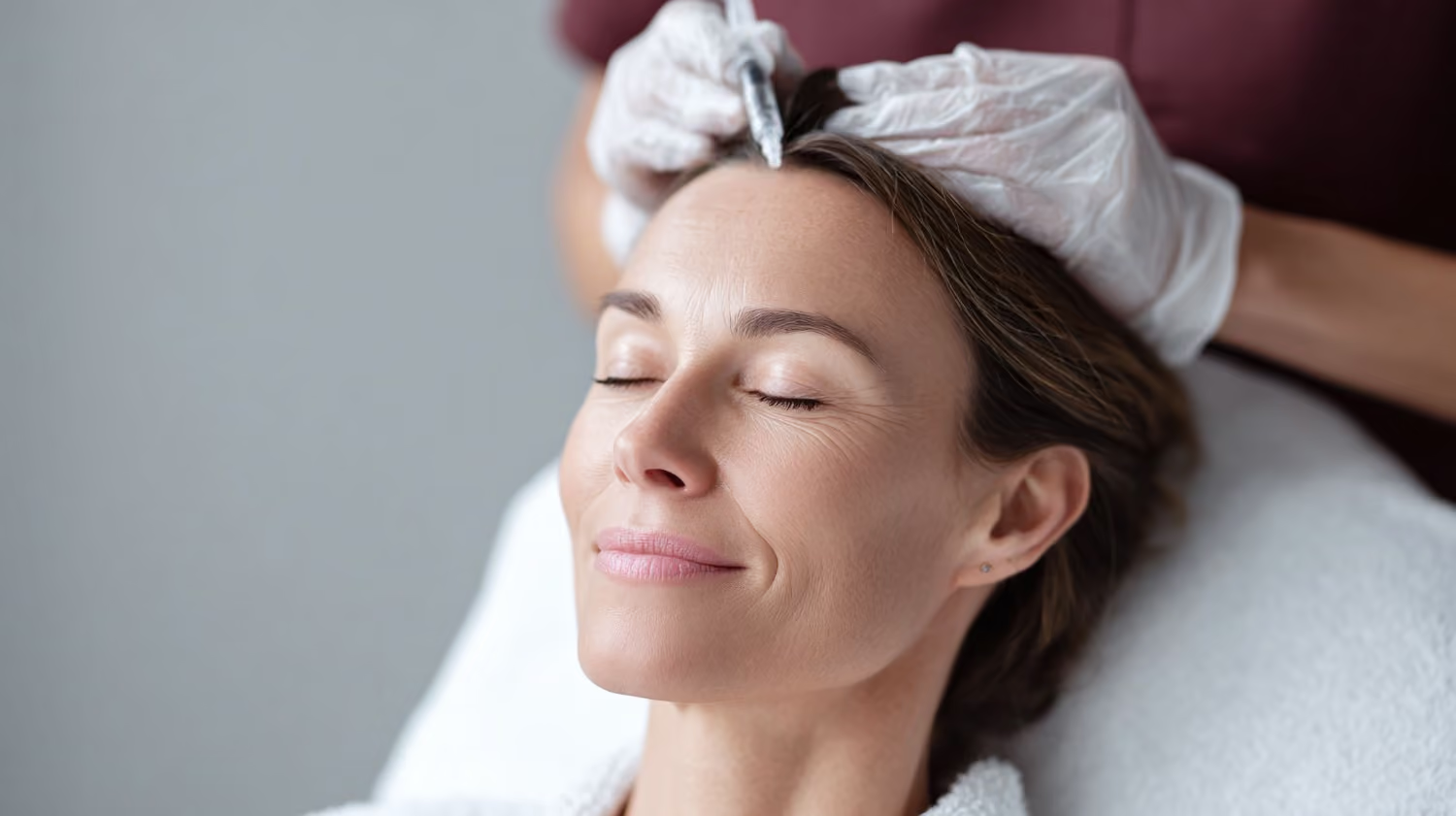
PRP for Female Pattern Hair Loss
Women can also experience androgenetic alopecia, often presenting as diffuse thinning across the top of the scalp rather than a receding frontal hairline.
PRP may be considered for some women with pattern hair loss, but determining the cause of thinning is particularly important because women may also experience hair loss related to hormonal changes, nutritional deficiencies, thyroid conditions, medications, stress, or other medical issues.
A personalized evaluation can help determine whether PRP is appropriate.
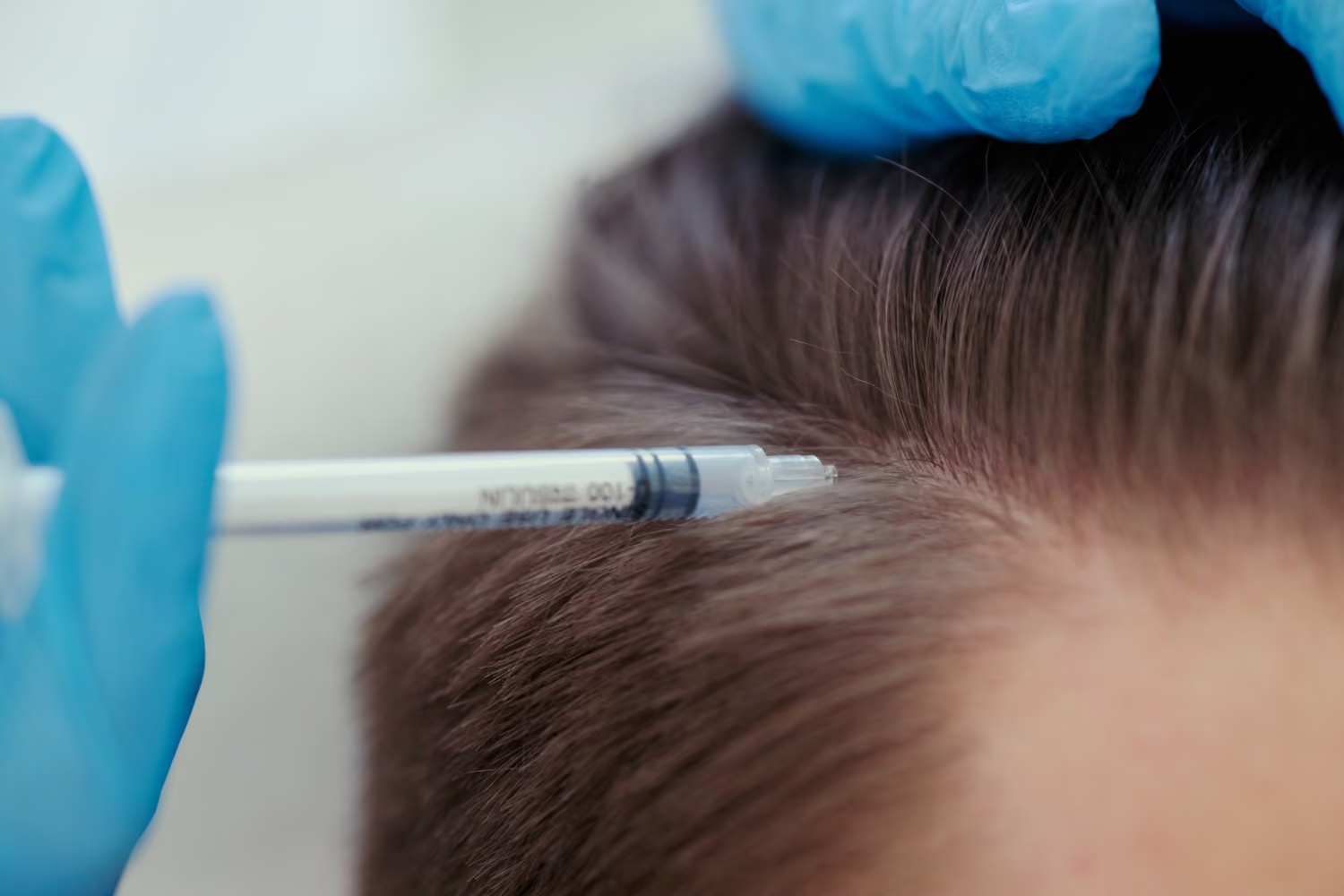
PRP Hair Treatment vs. Minoxidil
PRP and minoxidil use different approaches.
Minoxidil is an established medication used for certain types of hair loss and is available in topical and, in some circumstances, oral forms.
PRP uses a patient's own blood-derived platelet concentrate and involves scalp injections.
These treatments are not necessarily mutually exclusive. Depending on the type of hair loss and medical history, a provider may discuss whether PRP, medication, or a combination approach makes sense.
A 2026 systematic review comparing PRP and topical minoxidil found both therapies have been studied for androgenetic alopecia, while also highlighting the need to interpret the comparative evidence carefully.
Can PRP Restore All Lost Hair?
PRP should not be presented as a guaranteed hair restoration treatment.
The response depends on factors such as:
- The underlying cause of hair loss
- How advanced the thinning has become
- The condition of the hair follicles
- Age and individual biology
- The PRP preparation and treatment protocol
- Whether other treatments are being used
The goal may be to reduce shedding, support existing follicles, and improve hair density rather than recreate every hair that has been lost.
Patient Testimonials


.svg)
PRP Hair Treatment Safety and Side Effects
Because PRP is prepared from your own blood, it does not involve introducing a foreign medication into the scalp. However, injections can still cause temporary side effects.
Possible effects include:
- Scalp tenderness
- Temporary swelling
- Redness
- Bruising
- Mild discomfort
- Temporary headache or soreness
Published reviews have generally reported few serious adverse events, but treatment protocols vary and PRP is not completely risk-free.
Your provider should review your medical history, medications, and any factors that could affect whether PRP is appropriate.


Explore PRP Hair Treatment Near You in New Jersey
If thinning hair is becoming more noticeable, understanding the cause can help you choose an appropriate treatment approach. PRP may be an option for selected patients, particularly those with pattern hair loss, but it is not a guaranteed solution for every type of hair loss.
Healthy Aging Medical Centers provides personalized hair loss care in Whippany and Hazlet, New Jersey. Schedule an evaluation to discuss your hair loss, PRP treatment, and other options that may support healthier-looking hair.
A Comprehensive Approach to Hair Loss
Why a Hair Loss Evaluation Matters Before PRP
PRP is not a universal treatment for every form of hair loss.
Before beginning treatment, your provider may review:
- When your hair loss began
- Where thinning is occurring
- Family history of hair loss
- Recent illness or major stress
- Weight changes
- Medications and supplements
- Hormonal factors
- Scalp symptoms
- Previous hair loss treatments
When clinically appropriate, laboratory testing may also be considered to investigate nutritional, hormonal, thyroid, or other medical contributors.
Understanding the cause can help determine whether PRP is appropriate or whether another treatment should be prioritized.
PRP Hair Treatment in Whippany and Hazlet, NJ
Healthy Aging Medical Centers provides personalized hair loss and wellness care at two New Jersey locations.
Whippany Location
91 S Jefferson Rd Whippany, NJ 07981
Hazlet Location
155 Middle Rd Hazlet, NJ 07730
Patients from surrounding New Jersey communities can discuss hair thinning, PRP treatment, and other hair restoration options with a healthcare provider.
Frequently Asked Questions About PRP Hair Treatment
PRP hair treatment uses platelet-rich plasma prepared from your own blood. The concentrated plasma is injected into areas of the scalp affected by hair thinning.
Research suggests PRP can improve hair density and thickness in some people, particularly those with androgenetic alopecia. However, results vary and studies use different treatment protocols.
There is no universally established number of sessions. Many clinical protocols begin with several treatments spaced weeks apart, followed by maintenance treatments depending on the patient's response.
Hair growth is gradual. It can take several months before changes in shedding, thickness, or density become noticeable.
Some patients experience temporary discomfort, tenderness, or sensitivity from the scalp injections. Your provider can discuss pain-control options and what to expect during the procedure.
PRP is not considered a permanent cure for pattern hair loss. Some patients may need maintenance treatments to help maintain improvements.
PRP may improve hair density in some areas of pattern hair loss, but results vary. It cannot guarantee complete restoration of a receding hairline.
Yes. PRP has been studied in women with pattern hair loss. However, the cause of hair thinning should be evaluated before treatment because women can experience hair loss from several different conditions.
Depending on the type of hair loss and your medical history, PRP may be combined with other treatments such as minoxidil. Your provider can determine whether combination therapy is appropriate.
PRP and hair transplantation serve different purposes. PRP is a non-surgical treatment intended to support existing hair follicles, while a transplant moves hair follicles from one area of the scalp to another. The appropriate approach depends on the extent and cause of hair loss.
No. PRP is most commonly studied for androgenetic alopecia. Other forms of hair loss may require different treatments, which is why diagnosis is important before starting PRP.
Healthy Aging Medical Centers offers personalized hair loss evaluations and PRP treatment at its Whippany and Hazlet, New Jersey locations.
LEARN MORE ABOUT HEALTHY AGING




OUR LOCATIONS
With locations in Whippany, Hazlet, and Miami, we provide personalized medical, wellness, longevity, and aesthetic care designed around your individual health needs.
Healthy Aging + Private Concierge Medicine

