
P-Shot® for Erectile Dysfunction in New Jersey
Erectile dysfunction (ED) can affect men for many different reasons, including changes in blood flow, cardiovascular and metabolic health, medications, hormonal factors, nerve function, and other medical conditions. While established treatments such as oral ED medications and penile injections remain available, some men are also interested in regenerative approaches such as the P-Shot®.
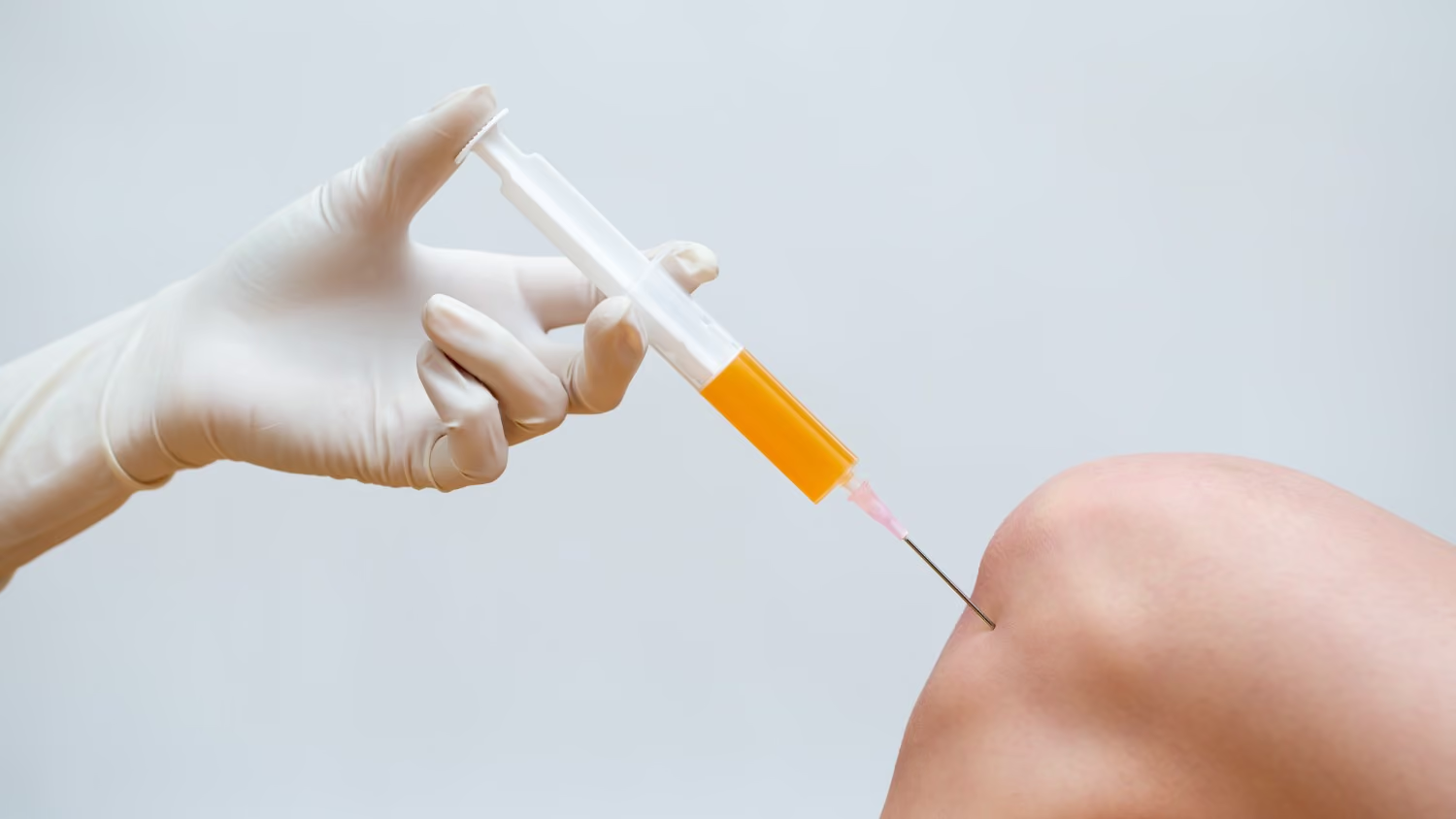
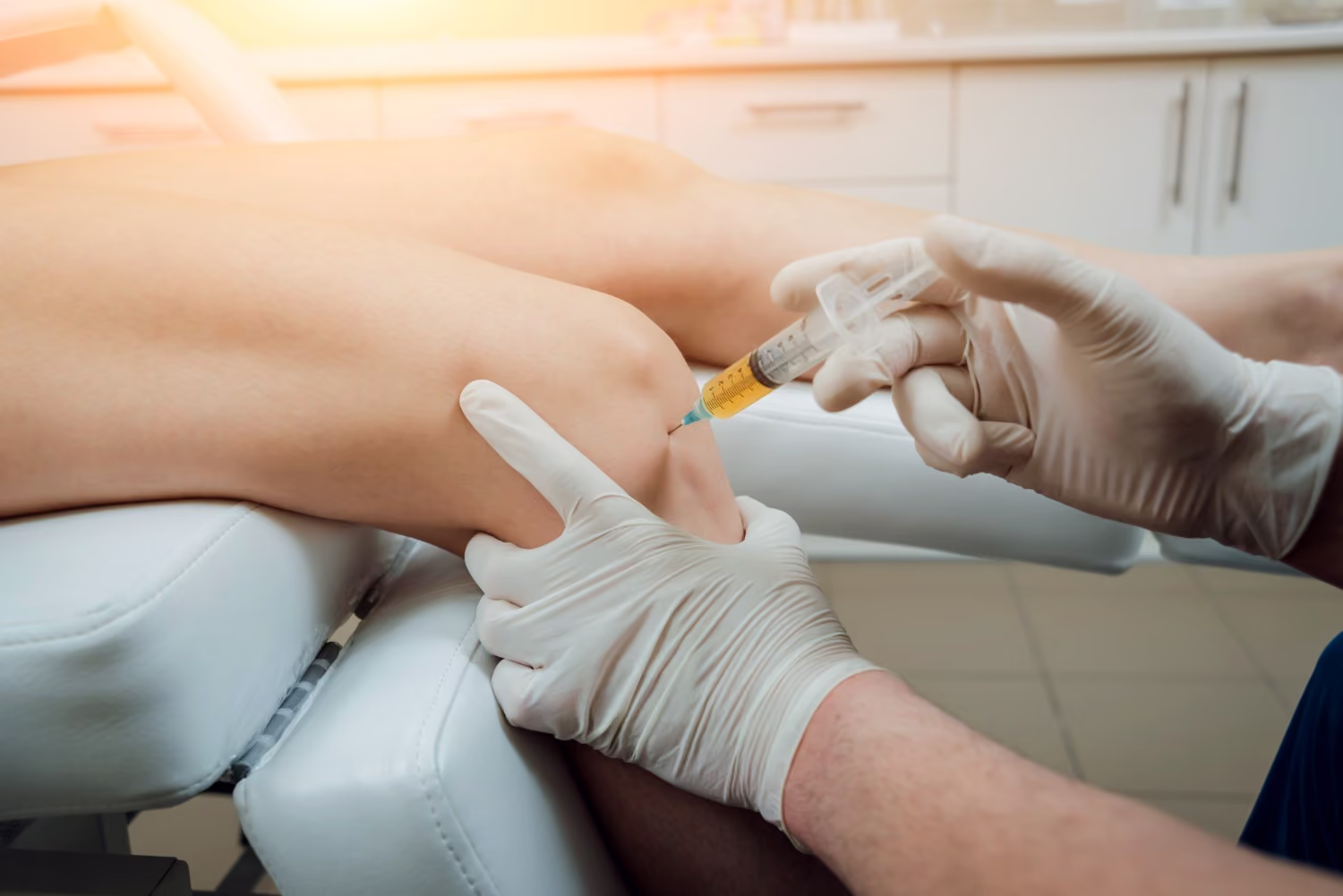
The P-Shot is a platelet-rich plasma (PRP) treatment that uses a patient's own blood. A blood sample is processed to concentrate platelets and plasma, and the resulting PRP is injected into penile tissue.
PRP is being studied as a potential treatment for erectile dysfunction, but it remains an experimental therapy for ED. The American Urological Association considers PRP therapy for ED experimental, and the Sexual Medicine Society of North America states that there is currently insufficient evidence to recommend PRP as a routine ED treatment.
What Is the P-Shot®?
The P-Shot is a name commonly used for platelet-rich plasma injection therapy involving the penis.
The treatment begins with a small sample of the patient's blood. The blood is processed to separate and concentrate platelets and plasma. This PRP contains various signaling proteins and growth factors that researchers are investigating for their potential role in tissue repair and remodeling.
The concept behind the treatment is that the patient's own platelets may release substances involved in tissue healing and vascular processes. However, proposed biological mechanisms do not necessarily establish that a treatment will produce a clinically meaningful improvement in erections.
How Does the P-Shot Work?
The P-Shot is intended to use the patient's own platelet-rich plasma rather than a conventional ED medication.
Researchers are investigating whether PRP may influence:
- Local tissue signaling
- Blood-vessel development
- Tissue remodeling
- Circulation within penile tissue
- Erectile tissue function
Some early clinical studies have reported improvements in erectile-function scores, but studies have differed substantially in PRP preparation, treatment protocols, patient populations, and outcome measures. As a result, the evidence has not established a standardized P-Shot protocol or predictable clinical benefit.
Who May Be Interested in P-Shot® Treatment?
Men may ask about PRP therapy when they:
- Have symptoms of erectile dysfunction
- Are interested in regenerative or restorative therapies
- Want to learn about non-traditional ED treatment options
- Have questions about alternatives to medication
- Have had an incomplete response to conventional ED treatments
An ED evaluation should come first. PRP should not be viewed as a replacement for investigating potentially treatable causes of erectile dysfunction.
Is the P-Shot® FDA Approved for Erectile Dysfunction?
The P-Shot itself should not be described as an FDA-approved treatment for erectile dysfunction.
The AUA's erectile dysfunction guideline states that PRP therapy for ED should be considered experimental.
The SMSNA similarly notes that although early studies have produced some encouraging findings, there is not currently enough evidence to recommend PRP as an established medical treatment for ED.
This distinction is important when evaluating claims about PRP or P-Shot treatment.
What Does the Research Say About P-Shot®?
Research into PRP for ED is still developing.
Some human studies have reported improvements in erectile-function measurements following PRP treatment. For example, a randomized placebo-controlled study involving men with mild-to-moderate ED reported improvements in erectile-function scores after PRP treatment. However, the SMSNA notes that the improvement was limited and that questions remain about long-term effectiveness.
Other studies have been small or have used different treatment protocols, making it difficult to determine which patients are most likely to benefit. The current evidence therefore supports continued research rather than presenting the P-Shot as a proven cure for erectile dysfunction.
P-Shot® vs. Viagra® and Cialis®
The P-Shot and oral ED medications take very different approaches. Viagra® (sildenafil) and Cialis® (tadalafil) are FDA-approved medications for erectile dysfunction. They belong to the PDE5 inhibitor class and help support penile blood flow during sexual stimulation.
The P-Shot uses PRP prepared from the patient's own blood and is being investigated as a potential restorative approach.
These treatments should not be presented as interchangeable. Established ED medications have a substantially different level of clinical evidence and regulatory status than PRP therapy.
What Happens During a P-Shot® Treatment?
A typical PRP treatment involves several steps. Because PRP preparation methods vary, patients should ask exactly how the PRP is prepared, what protocol is being used, and what evidence supports the specific treatment being offered.
Medical Evaluation
Your provider reviews your erectile symptoms, medical history, medications, cardiovascular risk factors, and previous ED treatments.
Blood Collection
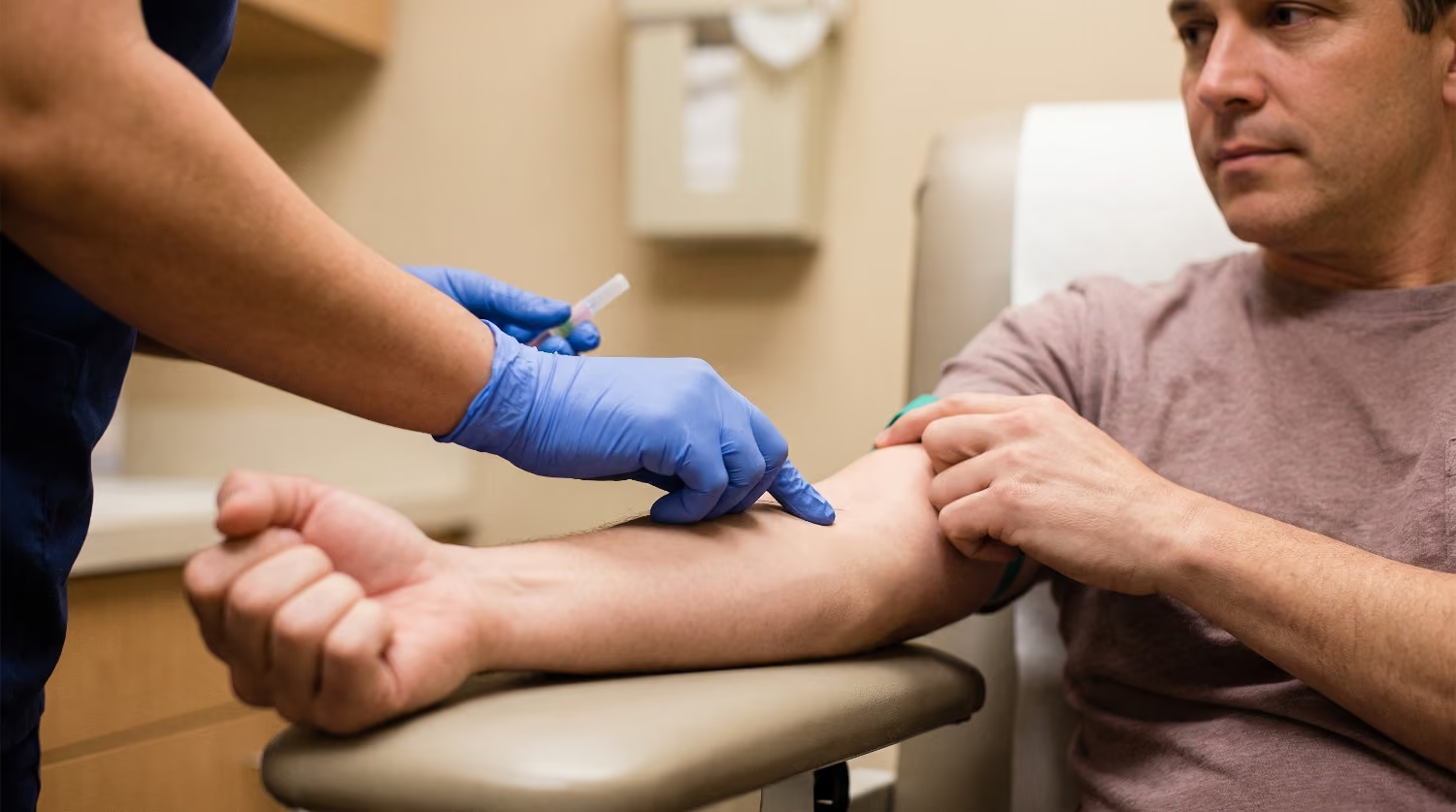
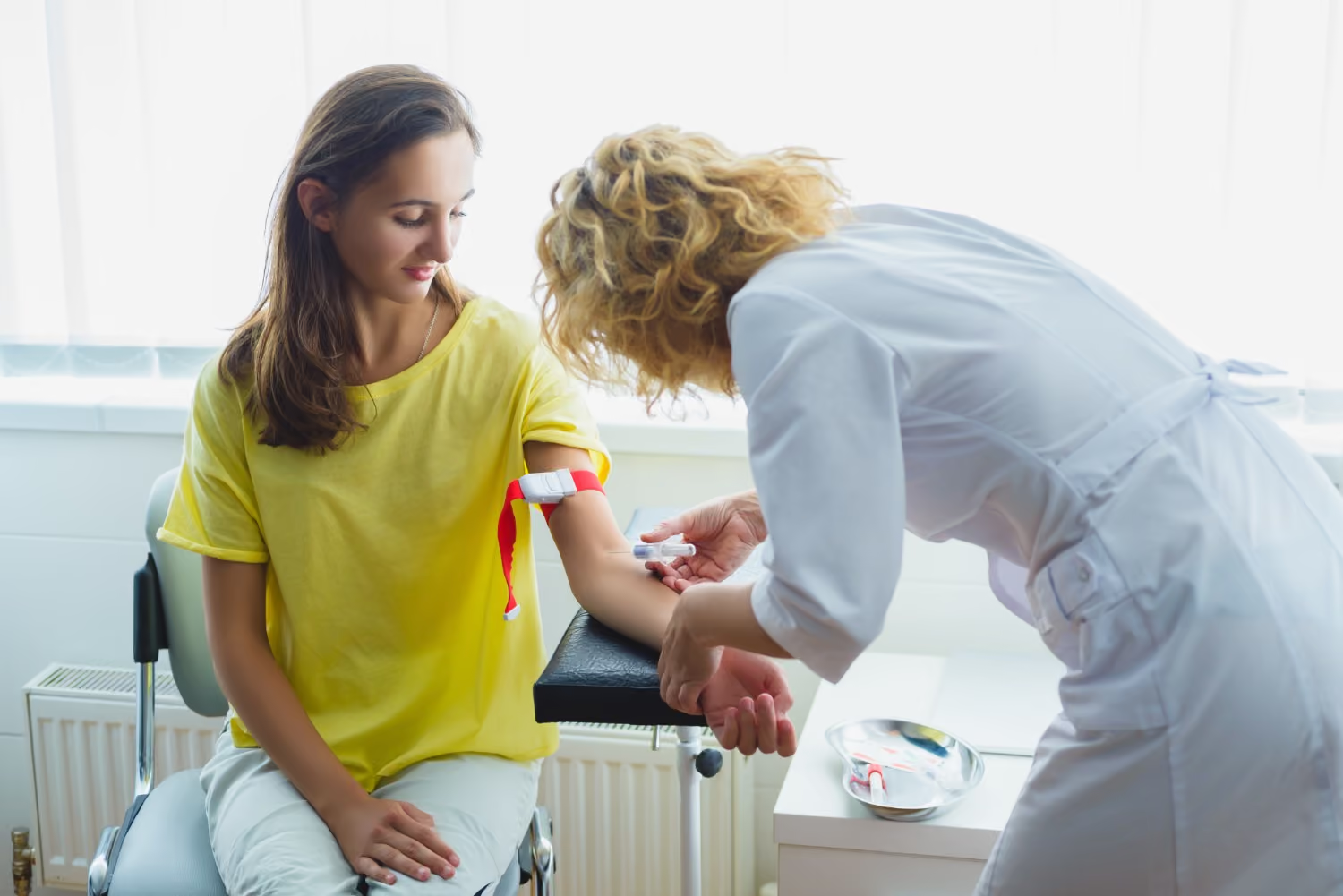
A small amount of your own blood is collected.
PRP Preparation
The blood is processed to separate the platelet-rich portion from other blood components.
Injection
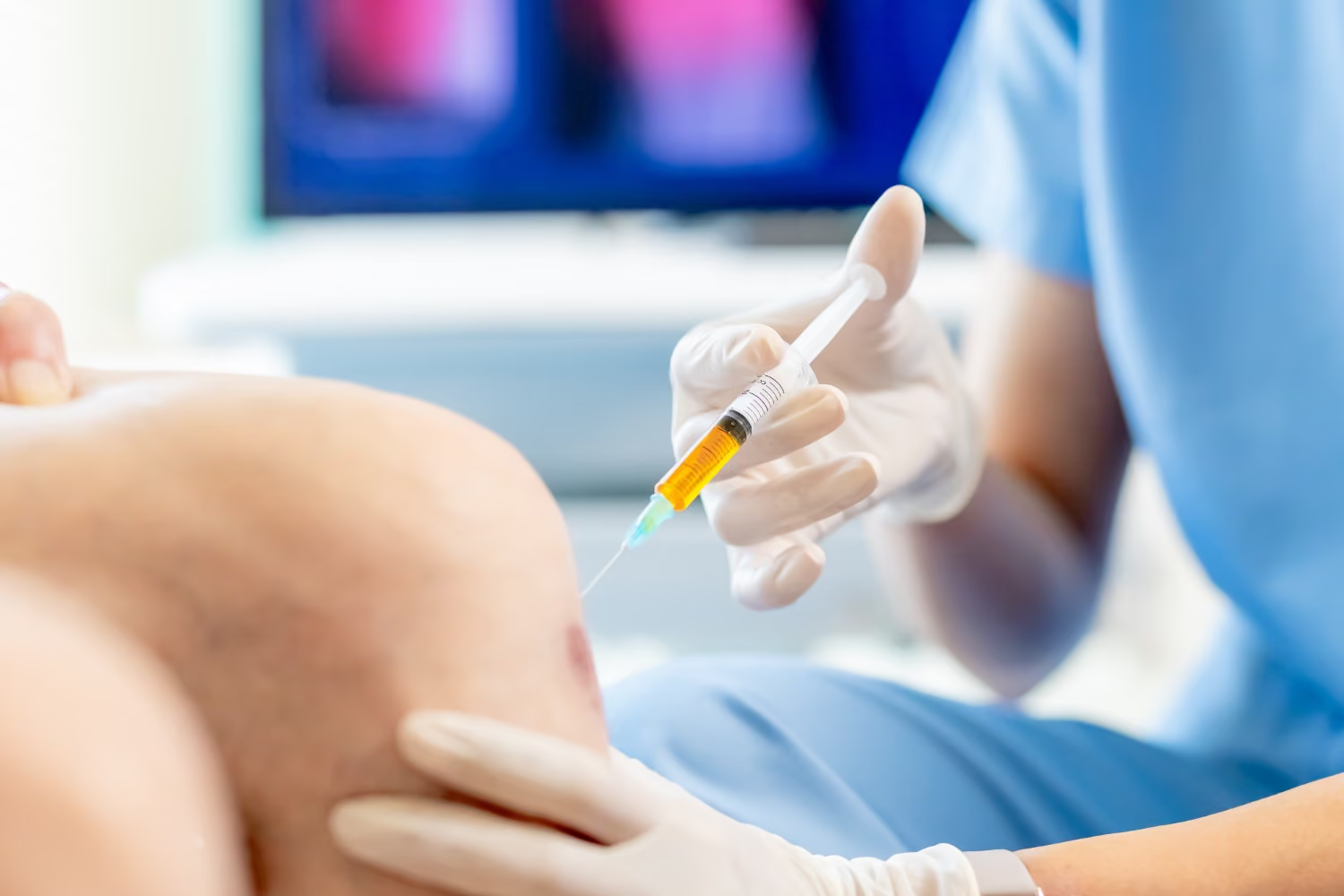
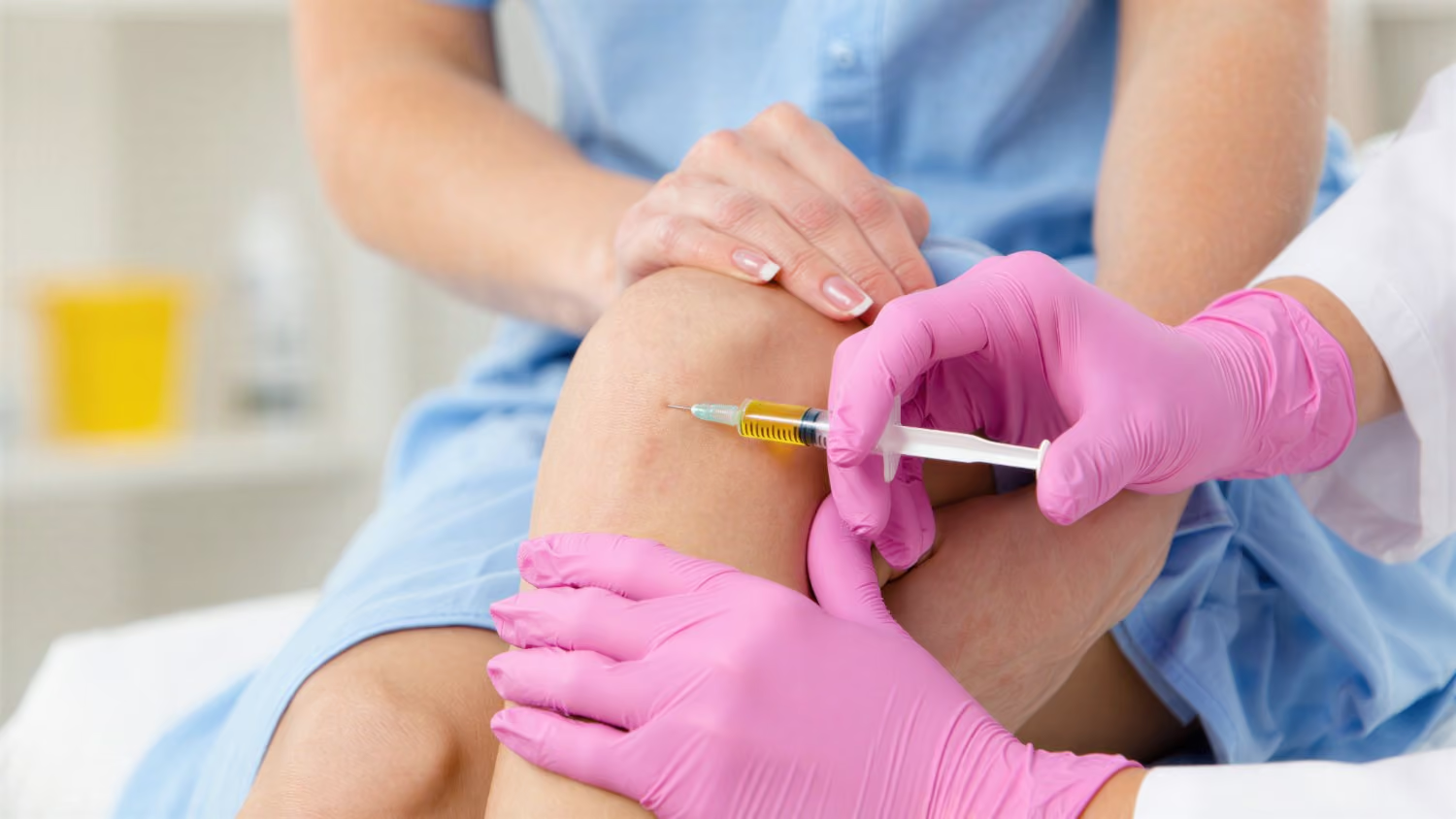
The prepared PRP is injected into selected areas of penile tissue using an appropriate injection technique.
Follow-Up
Your provider can assess your response and discuss whether additional treatment or an established ED therapy should be considered.
P-Shot® vs. Trimix
Trimix is an intracavernosal medication containing a combination of vasoactive drugs that directly promote an erection. The P-Shot is a PRP injection intended to produce potential tissue-related effects rather than an immediate pharmacologic erection.
Trimix and PRP therefore have different purposes, mechanisms, evidence, and treatment expectations.
If ED medications are not providing an adequate response, a provider can review established alternatives before considering an experimental or investigational approach.

Can the P-Shot® Increase Penis Size?
Claims that the P-Shot reliably increases penile length or girth should be approached cautiously.
There is not sufficient evidence to establish PRP injection as a reliable method of permanent penile enlargement. The SMSNA notes that claims regarding increased penile length and girth are among the claims made about the P-Shot, while emphasizing that evidence for the treatment remains limited.
The primary reason to discuss PRP in an ED setting should therefore be its investigational use for erectile function, not guaranteed cosmetic enhancement.
Is P-Shot® Treatment Painful?
Because the treatment involves blood collection and penile injections, some temporary discomfort, tenderness, bruising, or swelling may occur. The SMSNA reports that mild injection-site pain and slight bruising have been observed in early clinical research.
Your provider should explain potential risks and what symptoms should prompt follow-up after treatment.
Patient Testimonials


.svg)
Is P-Shot® Safe?
Early studies have generally reported relatively few short-term adverse effects, but the available evidence is limited and does not establish the long-term safety profile of PRP for ED. Patients should also recognize that PRP preparation methods are not standardized specifically for erectile dysfunction.
Before treatment, discuss:
- The specific PRP preparation method
- Injection technique
- Expected benefits
- Potential risks
- Alternative ED treatments
- The experimental status of PRP for ED
- Follow-up care
Understanding the Cause of Erectile Dysfunction
Understanding the Cause of Erectile Dysfunction
A regenerative treatment should not replace a medical evaluation for ED.
Erectile dysfunction may be associated with:
- Cardiovascular disease
- High blood pressure
- Diabetes
- Obesity
- High cholesterol
- Hormonal abnormalities
- Medication effects
- Neurological conditions
- Psychological or relationship factors
- Smoking and other lifestyle factors
For some men, ED can provide an opportunity to identify cardiovascular or metabolic health concerns that deserve attention.
P-Shot® Treatment in Whippany and Hazlet, NJ
Healthy Aging Medical Centers provides men's sexual wellness and erectile dysfunction care at two New Jersey locations.
Whippany Location
91 S Jefferson Rd Whippany, NJ 07981
Hazlet Location
155 Middle Rd Hazlet, NJ 07730
Men from surrounding New Jersey communities can discuss erectile dysfunction, established treatment options, and emerging therapies such as PRP with a healthcare professional.
Explore P-Shot® and Erectile Dysfunction Treatment in New Jersey
If erectile dysfunction is affecting your confidence or quality of life, a comprehensive evaluation can help you understand the treatment options available to you.
Healthy Aging Medical Centers provides men's sexual wellness care in Whippany and Hazlet, New Jersey, where patients can discuss established ED treatments as well as emerging therapies such as PRP.
Schedule an evaluation to learn whether the P-Shot or another approach is appropriate for your individual situation.
Frequently Asked Questions About P-Shot®
The P-Shot is a name used for platelet-rich plasma injection therapy involving penile tissue. PRP is prepared from a patient's own blood and injected into the penis.
Research has reported potential improvements in erectile-function measurements, but the evidence remains limited and inconsistent. The AUA considers PRP therapy for ED experimental.
No. The P-Shot is not an FDA-approved treatment specifically for erectile dysfunction. PRP therapy for ED is considered experimental.
The procedure itself can generally be performed during an office visit, but the exact treatment process depends on how the PRP is prepared and the clinical protocol being used.
Some temporary discomfort, tenderness, or bruising may occur because the treatment involves injections. Your provider can explain what to expect before treatment.
There is no universally established treatment schedule for PRP therapy for ED. Clinical studies have used different numbers and intervals of injections, which is one reason standardized protocols have not been established.
It should not be marketed as a guaranteed cure. Current evidence is not sufficient to establish PRP as a proven restorative treatment for erectile dysfunction.
A provider can evaluate why oral medication has not produced an adequate response and discuss established alternatives, including other medications or intracavernosal therapy. PRP may also be discussed as an experimental option where appropriate.
No. Trimix is a combination of medications injected into the penis to produce an erection. The P-Shot uses platelet-rich plasma prepared from the patient's own blood and is being investigated as a regenerative approach.
Claims of reliable permanent increases in penile length or girth are not supported by sufficient evidence. PRP should not be presented as a guaranteed penile enlargement treatment.
No. PRP injection therapy is not testosterone replacement therapy and should not be presented as a treatment for low testosterone.
Men interested in learning about PRP for ED can discuss the treatment with a qualified provider. A medical evaluation should first determine the potential causes of ED and review established treatment options.
LEARN MORE ABOUT HEALTHY AGING




OUR LOCATIONS
With locations in Whippany, Hazlet, and Miami, we provide personalized medical, wellness, longevity, and aesthetic care designed around your individual health needs.
Healthy Aging + Private Concierge Medicine

