
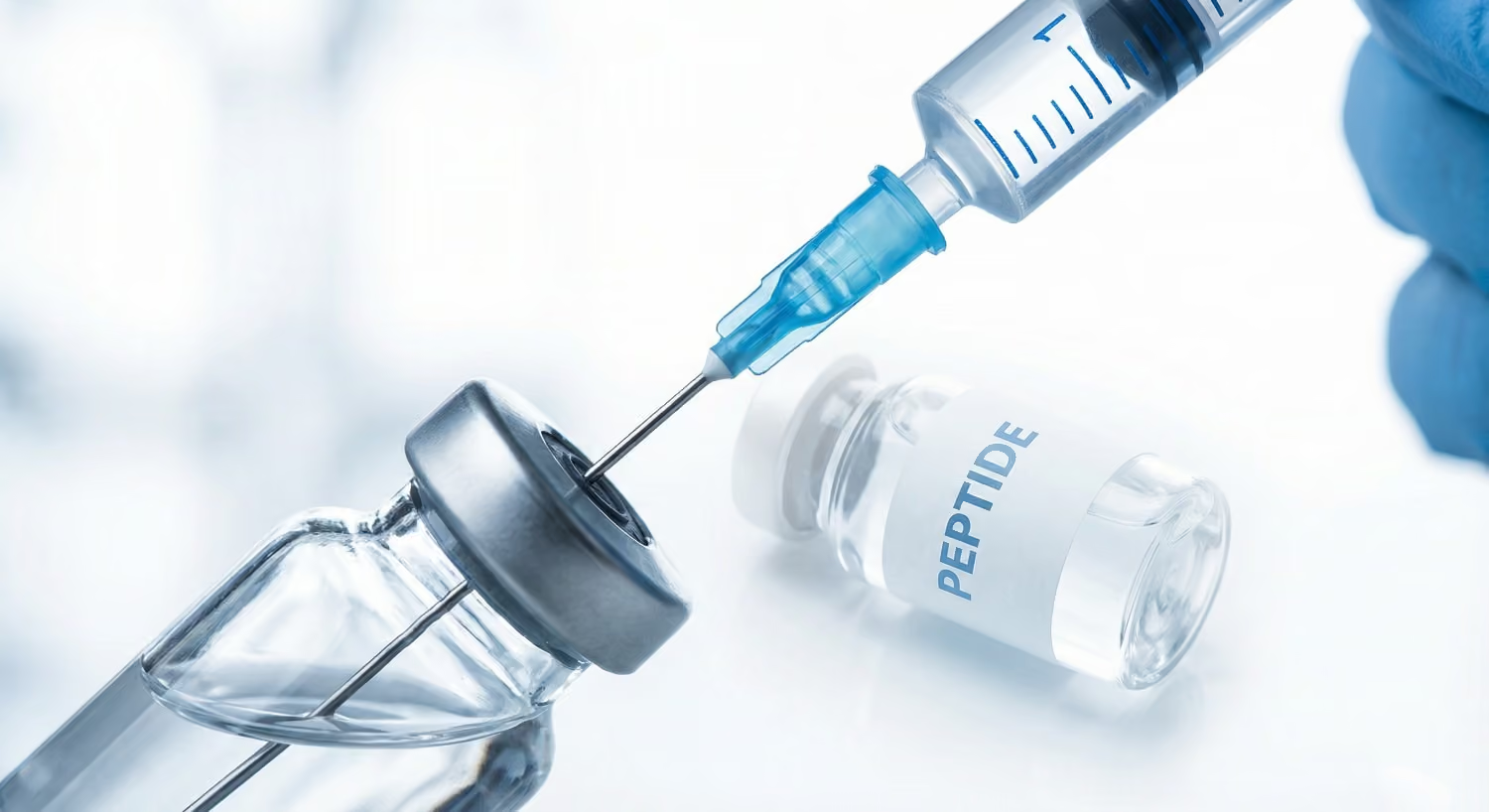
Sermorelin Peptide Injections in New Jersey
Changes in hormone signaling are a normal part of aging, but symptoms such as changes in body composition, sleep, recovery, or energy can have many possible causes. For some patients, evaluating hormone-related concerns may be part of a broader approach to healthy aging.
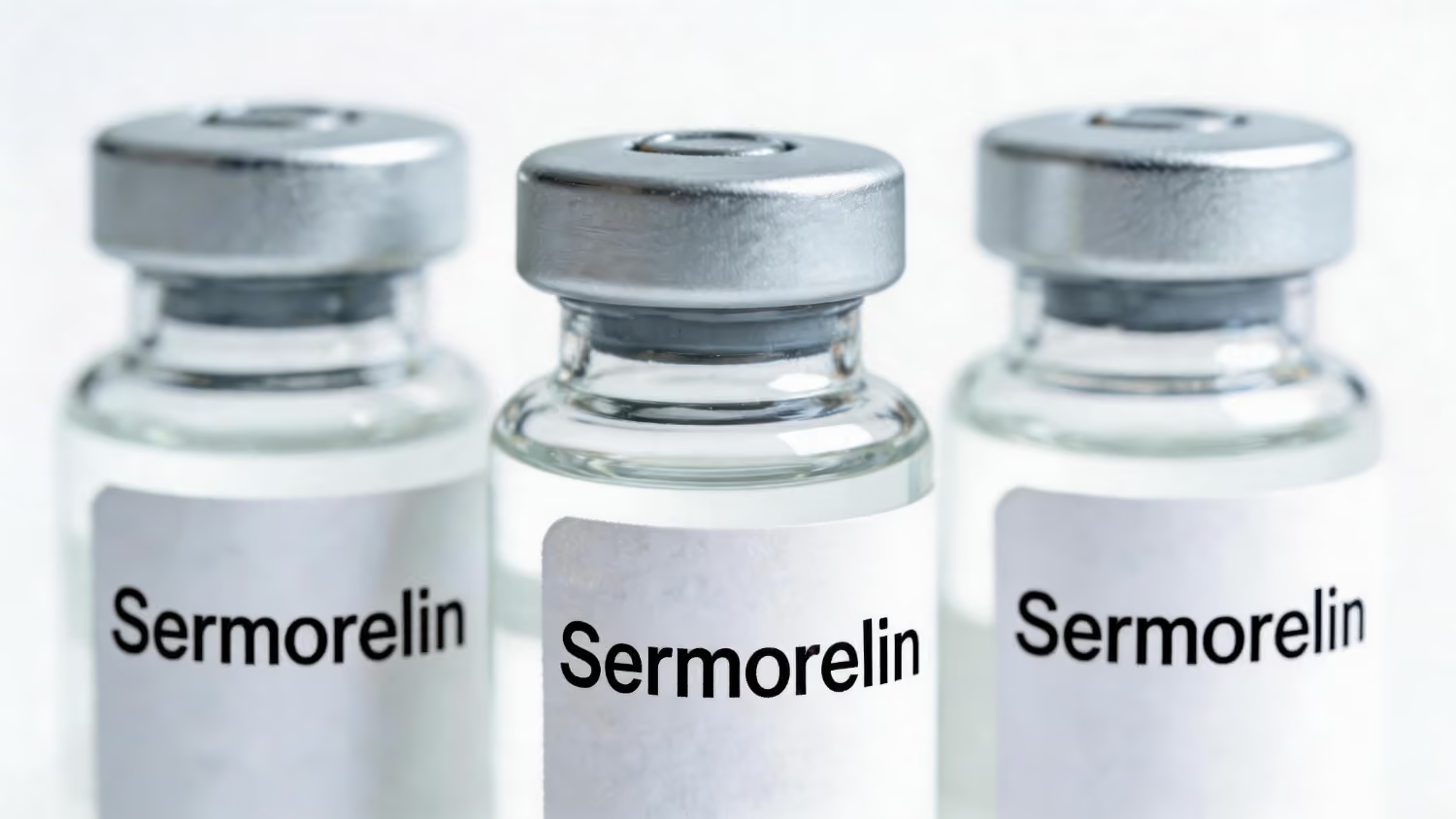
Sermorelin is a synthetic peptide that acts similarly to growth hormone-releasing hormone (GHRH). It has been used clinically to stimulate the body's own production and release of growth hormone rather than directly supplying growth hormone.
At Healthy Aging Medical Centers, sermorelin treatment should begin with a medical evaluation to determine whether it is appropriate for your circumstances and how it fits into your broader health goals.
What Is Sermorelin?
Sermorelin is a synthetic form of growth hormone-releasing hormone. It acts on the pituitary gland and can stimulate the release of growth hormone. This is different from taking recombinant human growth hormone directly. Sermorelin works by signaling the body to release growth hormone through its existing regulatory pathway.
The effects of treatment can vary between individuals, and the clinical value of sermorelin depends on the reason it is being prescribed and the patient's overall health.
How Does Sermorelin Work?
The hypothalamus and pituitary gland play important roles in regulating growth hormone. Sermorelin mimics GHRH, a hormone involved in this process. By activating the appropriate receptors, it can stimulate the pituitary gland to release growth hormone.
Growth hormone then influences other processes in the body, including signaling involving insulin-like growth factor 1 (IGF-1).
This does not mean that increasing growth hormone is automatically beneficial for every adult. Hormonal treatment requires appropriate patient selection, monitoring, and consideration of potential risks.
Why Do Adults Consider Sermorelin?
Sermorelin may be discussed in certain wellness, hormone-management, or longevity settings. Patients may be interested in treatment because of concerns involving:
- Changes in body composition
- Recovery and physical performance
- Sleep or overall well-being
- Age-related changes
- Hormonal health
- Long-term healthy-aging goals
These symptoms are nonspecific, however. Fatigue, difficulty losing weight, poor sleep, and changes in body composition can result from many conditions that have nothing to do with growth hormone.
A medical evaluation is therefore important before attributing these concerns to a hormone deficiency.
Who May Be Considered for Sermorelin?
Sermorelin is not appropriate simply because someone is getting older or wants to improve their appearance or athletic performance.
Before considering treatment, your provider may review:
- Medical history
- Current symptoms
- Medications and supplements
- Hormonal history
- Relevant laboratory testing
- Metabolic health
- Body composition
- Existing medical conditions
- Treatment goals
Depending on your circumstances, your provider may consider laboratory testing such as IGF-1 or other assessments when evaluating growth-hormone-related concerns.
A laboratory result should be interpreted alongside your symptoms and medical history rather than used by itself to determine treatment.
Sermorelin and Growth Hormone Are Not the Same Treatment
Sermorelin
Sermorelin stimulates the body's pituitary gland to release growth hormone.
Growth Hormone Therapy
Growth hormone therapy directly supplies recombinant human growth hormone.
Different Approaches
These approaches have different mechanisms and regulatory considerations. Sermorelin should not be described simply as “growth hormone replacement.” Your healthcare provider can explain which type of treatment, if any, is medically appropriate for your situation.
Why Medical Monitoring Matters
Peptide therapy should not be approached as a simple wellness injection. Growth hormone signaling affects multiple systems in the body. Monitoring can help your provider determine whether treatment is producing the intended response and whether laboratory or clinical changes require attention. Your provider may consider symptoms and treatment response, IGF-1 levels when clinically appropriate, glucose and metabolic health, body composition, other relevant laboratory findings, and changes in medications or health conditions. The exact monitoring plan depends on your individual circumstances.

What Can I Expect From Sermorelin Treatment?
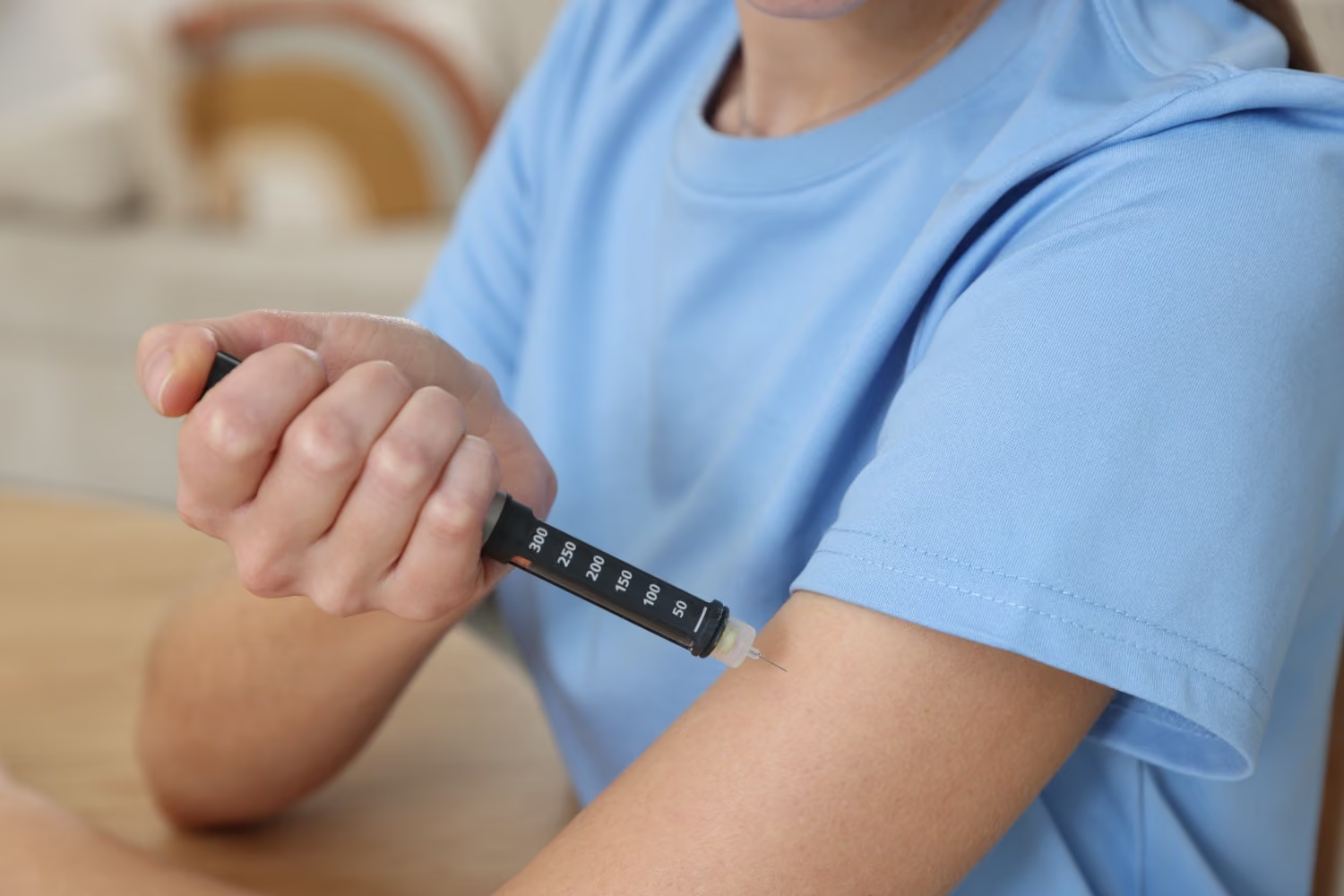
If sermorelin is prescribed, your provider will explain how and when to administer the medication according to the specific formulation. Because compounded peptide formulations can vary, patients should follow the instructions provided by the prescribing clinician and dispensing pharmacy rather than relying on dosing information from online sources.
Your provider may monitor your response through symptoms, relevant laboratory measurements, and other health markers.
Follow-up is important because hormone-related treatment should be adjusted based on how you respond rather than continued automatically.
Sermorelin and Body Composition
Growth hormone and IGF-1 are involved in processes related to body composition, but sermorelin should not be presented as a guaranteed weight-loss or muscle-building treatment.
If changes in body composition are one of your goals, your healthcare plan may also include:
- Nutrition
- Adequate protein intake
- Resistance exercise
- Cardiovascular activity
- Weight management
- Sleep
- Body composition monitoring
A body composition scan may provide additional information about changes in fat and lean mass over time.

Patient Testimonials


.svg)
Sermorelin and Healthy Aging
Sermorelin is sometimes discussed as part of longevity or anti-aging programs. However, it is important to distinguish supporting healthy aging from claiming to reverse the aging process.
There is not sufficient evidence to describe sermorelin as a treatment that reverses aging or guarantees a longer lifespan. A responsible longevity plan should address established health priorities such as physical activity, nutrition, metabolic health, cardiovascular risk, preventive care, and management of chronic conditions.
If sermorelin is considered, it should be one component of an individualized medical plan rather than the foundation of a longevity strategy.

Potential Side Effects and Safety Considerations
Sermorelin can cause side effects, and the risks may depend on the formulation, dose, route of administration, and individual patient factors.
Possible reactions may include:
- Injection-site irritation
- Redness or discomfort
- Headache
- Dizziness
- Flushing
- Nausea
- Sleep-related changes
Because sermorelin can influence growth hormone and IGF-1 signaling, patients with certain medical conditions may require additional evaluation or monitoring. Your provider should review your health history and explain potential risks before treatment.
Sermorelin Peptide Therapy & Personalized Care
Sermorelin and Other Peptide Therapies
Sermorelin is only one type of peptide used in medical and wellness settings. Different peptides have different mechanisms, evidence, indications, and regulatory considerations. A peptide should not be considered interchangeable with another simply because both are marketed as “peptide therapy.”
If you are considering multiple peptides, tell your healthcare provider about all products you are taking so potential interactions, duplication, and unnecessary treatment can be evaluated.
Discuss Sermorelin Peptide Therapy Near You in New Jersey
Healthy Aging Medical Centers provides medical care focused on hormone health, weight management, wellness, and healthy aging for adults throughout New Jersey.
If you are considering sermorelin, your provider can review your symptoms, health history, medications, laboratory information, and goals before determining whether treatment is appropriate.
Whippany, NJ
91 S Jefferson Rd Whippany, NJ 07981
Hazlet, NJ
155 Middle Rd Hazlet, NJ 07730
The purpose of evaluation is not simply to increase hormone levels. It is to determine whether there is a meaningful medical reason for treatment and whether the potential benefits justify the risks.
Frequently Asked Questions About Sermorelin
Sermorelin is a synthetic peptide that acts similarly to growth hormone-releasing hormone (GHRH). It can stimulate the pituitary gland to release growth hormone.
No. Sermorelin stimulates the body's own growth hormone release, while recombinant human growth hormone directly supplies growth hormone.
The regulatory status of sermorelin depends on the specific product and formulation. Historical FDA approval of Geref (sermorelin acetate) was for pediatric growth hormone deficiency and certain diagnostic uses, and that product was later discontinued. Compounded sermorelin products have different regulatory considerations and should not automatically be described as FDA-approved drugs for anti-aging or longevity.
Sermorelin should not be presented as a primary weight-loss medication. Growth hormone signaling can influence body composition, but weight management generally requires attention to nutrition, physical activity, metabolic health, and other relevant factors.
Growth hormone is involved in tissue growth and metabolism, but sermorelin should not be marketed as a guaranteed muscle-building treatment. Resistance training, adequate nutrition, and overall health remain important for maintaining and developing muscle.
Sermorelin is sometimes marketed in longevity settings, but there is not enough evidence to claim that it reverses aging or extends human lifespan.
The appropriate evaluation depends on your symptoms and medical history. Your provider may consider hormone-related laboratory testing, including IGF-1, along with other health measurements when clinically appropriate
Sermorelin formulations used in clinical practice may be administered by injection. The exact route, dose, and schedule depend on the prescribed formulation and your clinician's instructions.
Potential reactions can include injection-site irritation, headache, dizziness, flushing, nausea, and other symptoms. Your provider should review the potential risks specific to your treatment.
Healthy Aging Medical Centers has locations in Whippany and Hazlet, New Jersey. You can discuss your health goals, symptoms, and medical history with the healthcare team to determine whether sermorelin is appropriate for you.
LEARN MORE ABOUT HEALTHY AGING




OUR LOCATIONS
With locations in Whippany, Hazlet, and Miami, we provide personalized medical, wellness, longevity, and aesthetic care designed around your individual health needs.
Healthy Aging + Private Concierge Medicine

