
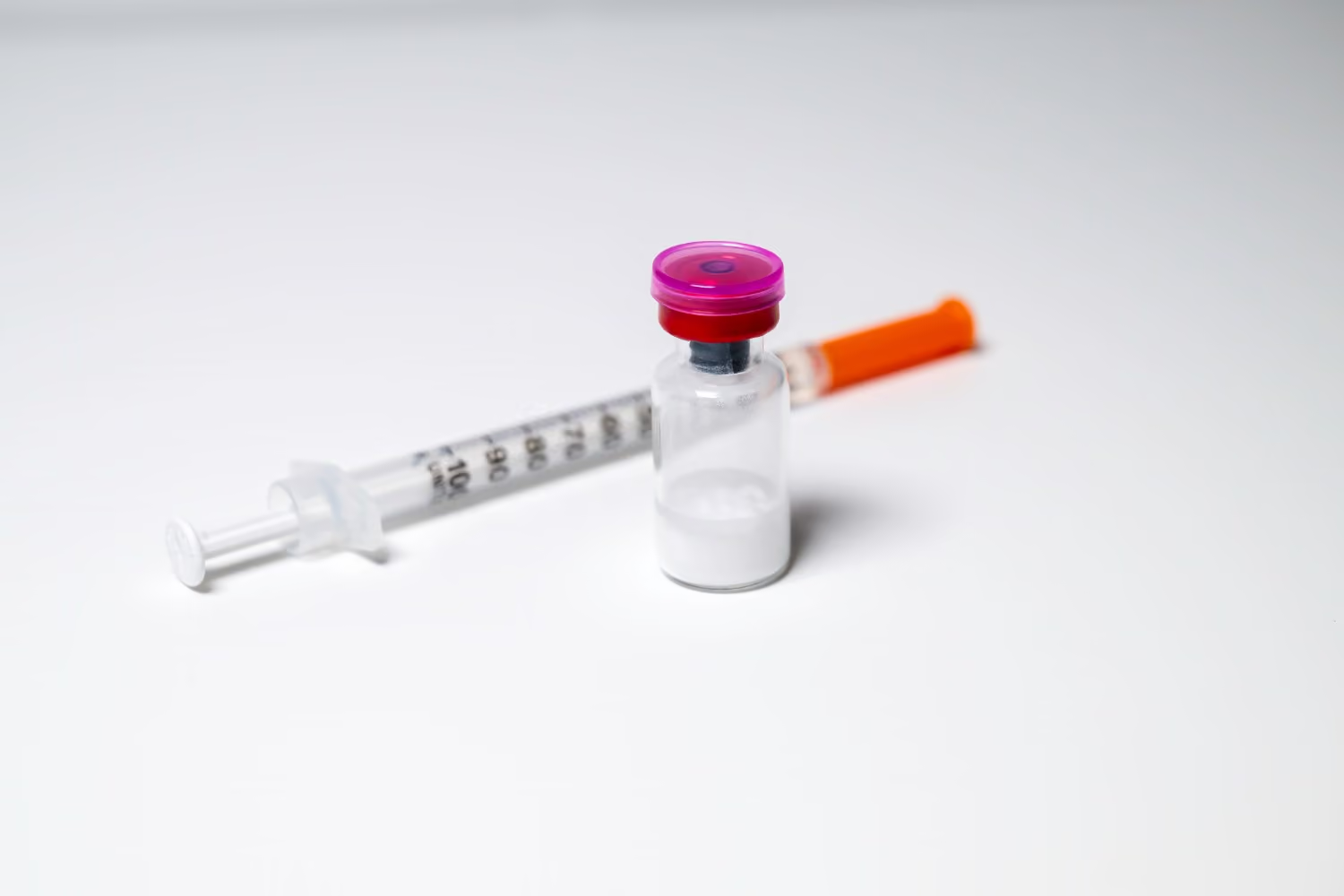
Tri-Amino Acid Injections in New Jersey
Amino acids are the building blocks your body uses to make proteins and support many normal biological processes. They are obtained through food, and your body can also produce some of them on its own.
Tri-amino acid injections provide a combination of three amino acids through an injectable route. Because the exact formulation can vary, the purpose of treatment should be clearly established before starting.
At Healthy Aging Medical Centers of New Jersey, tri-amino acid injections can be discussed as part of a broader wellness and healthy-aging plan, taking your health history, nutritional status, medications, and goals into account.
What Are Amino Acids?
Amino acids are compounds your body uses to build proteins. Proteins are involved in muscle tissue, enzymes, hormones, immune processes, and numerous other functions.
There are 20 amino acids used to make proteins. Some must come primarily from food, while others can be produced by the body. That means an amino acid injection near you isn't automatically necessary simply because amino acids are important. Your nutritional status and reason for supplementation matter.


What Is a Tri-Amino Acid Injection?
“Tri-amino acid” refers to an injectable formulation containing three amino acids.
The specific amino acids and amounts can vary depending on the product being used. Before treatment, your provider should explain exactly what the formulation contains and why it is being recommended.
This is particularly important because different amino acids have different functions. A combination should not be assumed to provide the same benefits for every patient.
Why Are People Interested in Amino Acid Therapy?
Patients may ask about amino acid injections in connection with goals such as:
- Supporting nutritional intake
- Maintaining muscle and physical function
- Exercise and recovery
- Healthy aging
- General wellness
However, the appropriate role of amino acid supplementation depends on the specific formulation and the patient's nutritional and medical circumstances.
An injection should not be presented as a replacement for adequate protein intake, resistance exercise, sleep, or treatment of an underlying medical condition.

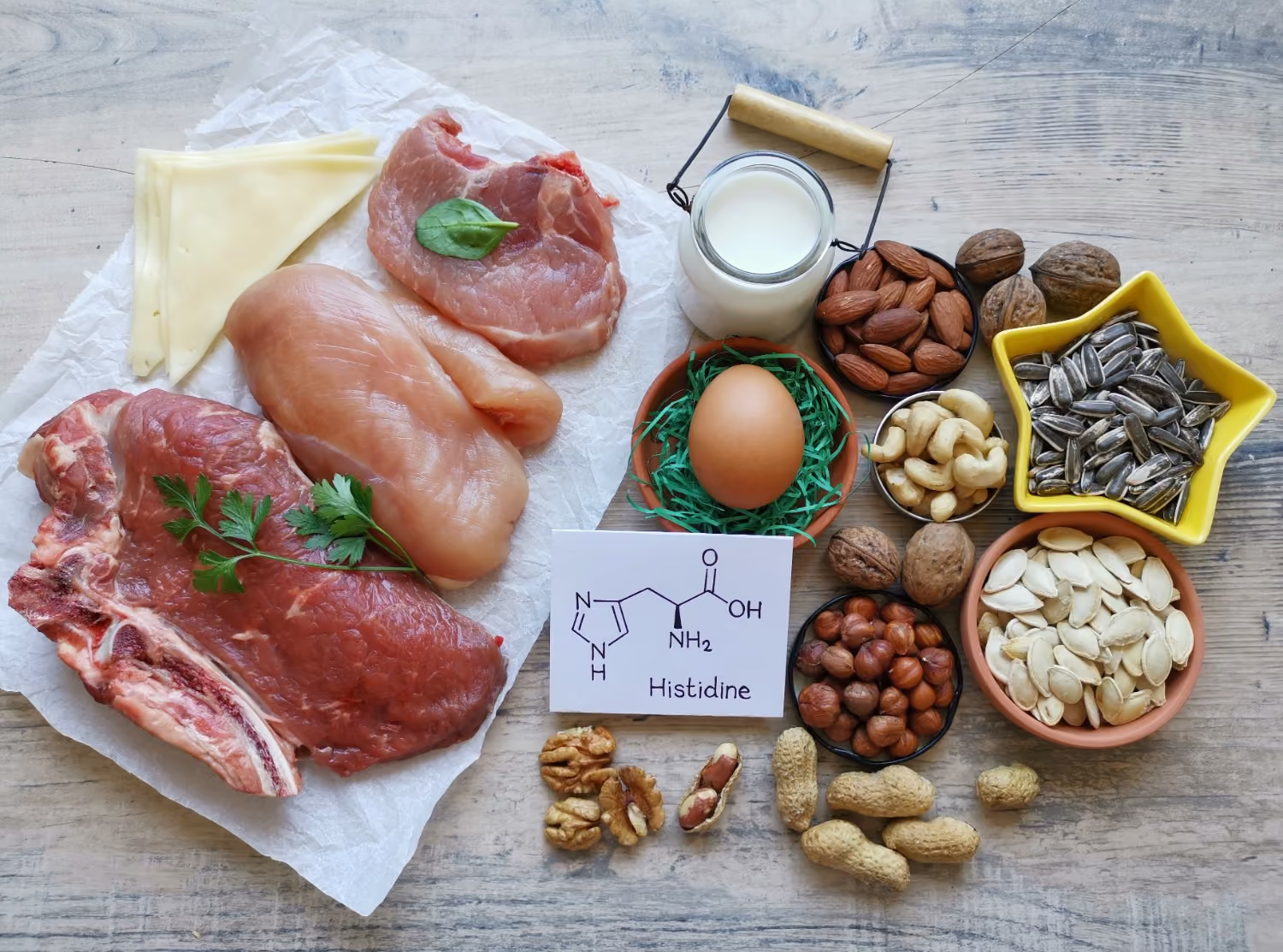
Could You Be Getting Enough Amino Acids From Food?
For many healthy adults, a varied diet containing adequate protein provides the amino acids the body needs.
Protein-rich foods include:
- Eggs
- Fish and seafood
- Poultry
- Meat
- Dairy products
- Soy and other legumes
- Nuts and seeds
If your diet already provides adequate protein, additional amino acid supplementation may not provide the same value it would for someone with a specific nutritional need.
Your provider can help determine whether supplementation makes sense for your circumstances.
What Happens Before Treatment?
Before recommending injectable amino acids, your provider may want to understand why you're considering them.
Your evaluation may include questions about:
- Your diet and protein intake
- Exercise habits
- Changes in muscle mass or strength
- Weight changes
- Existing medical conditions
- Medications and supplements
- Digestive or absorption problems
- Your overall wellness goals
If your symptoms suggest an underlying medical issue, laboratory testing or additional evaluation may be more appropriate than immediately beginning supplementation.

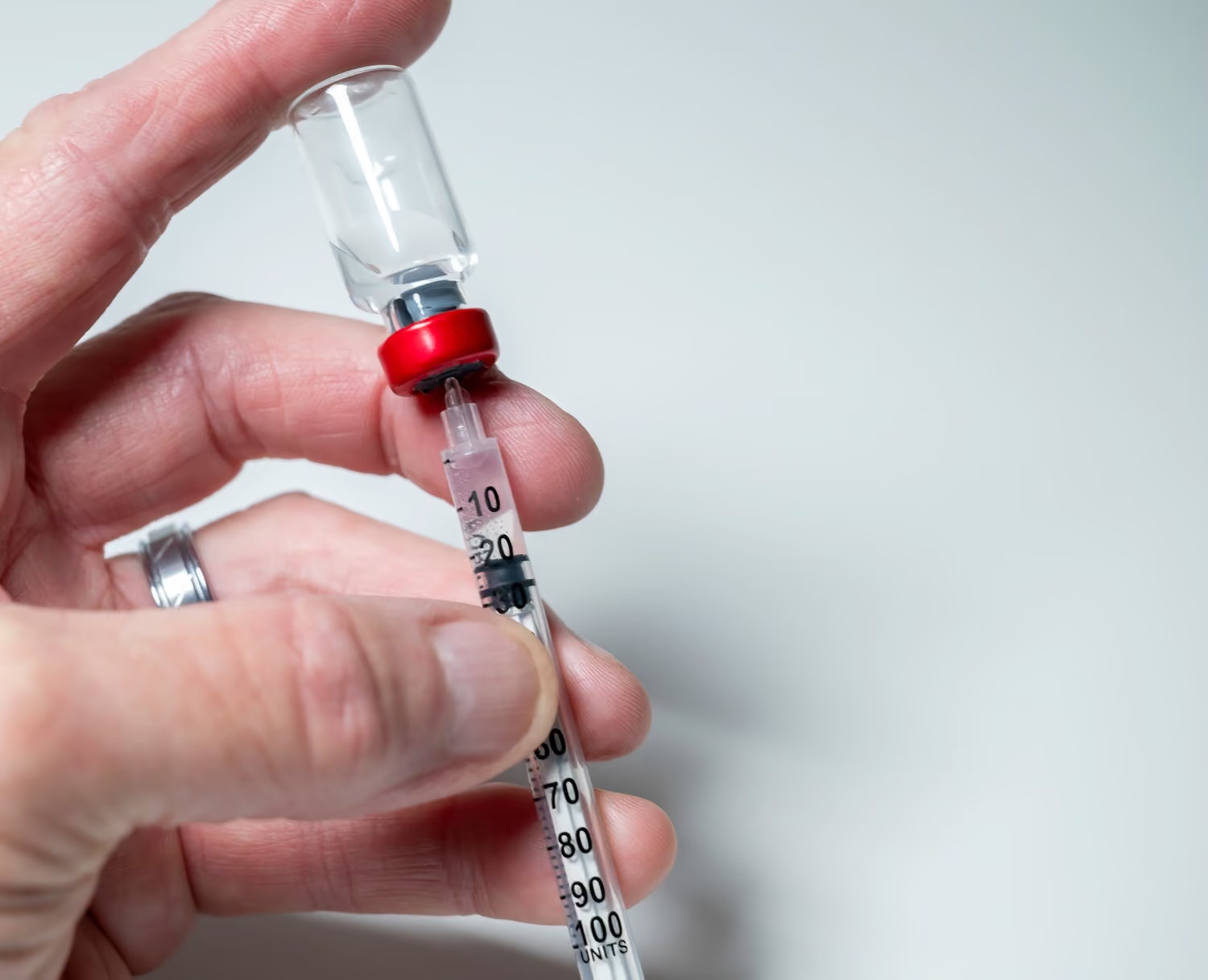
Are Tri-Amino Acid Injections a Treatment for Muscle Loss?
Not by themselves. Amino acids are important to muscle protein synthesis, but maintaining muscle involves much more than taking an injectable supplement. Adequate protein intake, resistance training, physical activity, sleep, hormonal health, and underlying medical conditions can all influence muscle mass and function.
If you've noticed significant muscle loss or weakness, identifying the reason is more important than assuming an amino acid injection is the solution.
What Are the Potential Benefits?
The potential role of an amino acid injection depends on the specific ingredients and the reason for treatment.
If supplementation is appropriate, it may be used as part of a broader nutritional or wellness strategy. It should not be presented as a guaranteed way to increase muscle, accelerate metabolism, improve athletic performance, or reverse aging.
Your provider can explain what the particular formulation is intended to support and what evidence exists for its use.

Why Use an Injection?
How Injectable Formulations Work
An injectable formulation delivers the amino acids through a route that differs from eating protein or taking an oral supplement. That does not automatically make an injection more effective.
Choosing the Right Approach
For some nutritional concerns, oral intake may be entirely appropriate. The route of administration should be based on the specific treatment, the patient's circumstances, and the medical reason for supplementation.
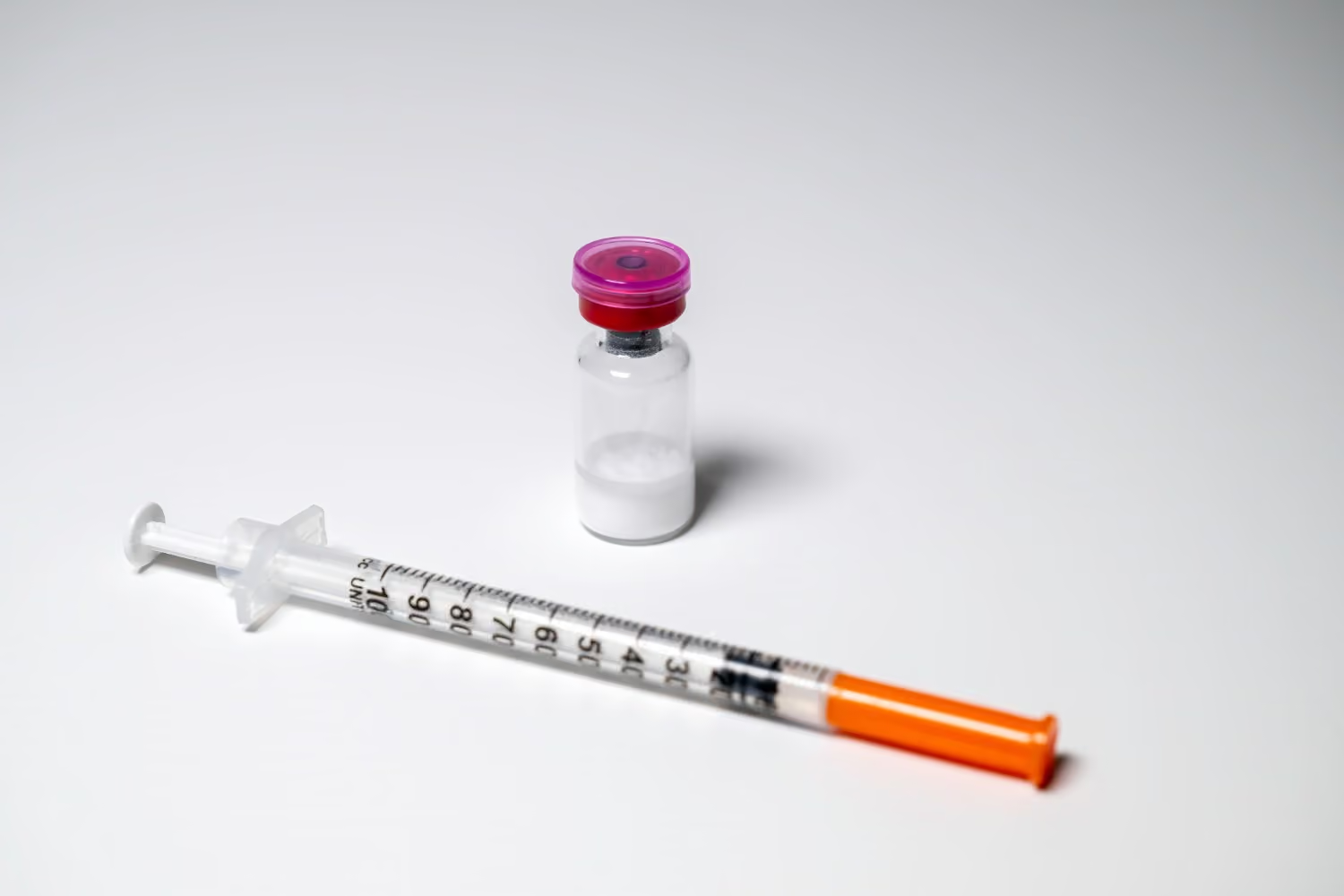
What Should You Tell Your Provider?
Before receiving a tri-amino acid injection, provide your medical team with a complete list of your prescription medications, over-the-counter medications, vitamins and supplements, existing medical conditions, allergies, previous reactions to injections, dietary restrictions, and any kidney or liver concerns. This information helps your provider determine whether injectable amino acid supplementation is appropriate for you.
.avif)
Are Tri-Amino Acid Injections Safe?
Safety depends on the specific amino acids, amounts administered, route of administration, and your individual health.You may experience temporary discomfort, redness, or irritation at the injection site. People with certain medical conditions may require additional consideration before receiving amino acid supplementation.Because formulations vary, ask your provider exactly what is being injected, why it is being recommended, and what potential side effects should be monitored.
Patient Testimonials


.svg)
Vitamin B Complex Injections Throughout New Jersey
Tri-Amino Acid Injections for Adults Throughout New Jersey
Healthy Aging Medical Centers of New Jersey provides wellness and healthy-aging services for men and women throughout New Jersey.
The practice has locations in:
Whippany
91 S Jefferson Rd Whippany, NJ 07981
Hazlet
155 Middle Rd Hazlet, NJ 07730
Johanan Rand, M.D. and the medical team can review your nutritional needs, health history, and wellness goals to determine whether tri-amino acid supplementation is appropriate for you.
Discuss Amino Acid Therapy With Our New Jersey Medical Team
Amino acids are essential to normal human physiology, but that doesn't mean everyone needs injectable supplementation.
If you're considering tri-amino acid injections, the most useful first step is understanding what you're trying to address and whether there is a specific nutritional or medical reason for treatment.
Healthy Aging Medical Centers of New Jersey provides wellness and healthy-aging care in Whippany and Hazlet, serving patients throughout New Jersey.
Frequently Asked Questions About Tri-Amino Acid Injections
Not necessarily. A diet that provides adequate protein generally supplies the amino acids your body needs. Your provider can determine whether supplementation has a specific purpose in your situation.
Amino acids are involved in muscle protein synthesis, but an injection alone does not build muscle. Resistance exercise, adequate protein, recovery, hormonal health, and overall nutrition all contribute to maintaining or developing muscle.
No. B-complex injections provide B vitamins, while tri-amino acid injections contain amino acids. They have different biological roles and should not be considered interchangeable treatments.
The exact combination depends on the formulation being used. Ask your provider which three amino acids are included, the amount of each, and why that particular combination is being recommended.
Possibly, but exercise alone doesn't mean you need injectable amino acids. Your protein intake, training goals, health status, and the specific formulation should be considered before treatment.
Fatigue has many possible causes, and an amino acid injection shouldn't be used as a general treatment without understanding what's causing the problem. Nutritional deficiencies, sleep issues, anemia, thyroid disorders, medications, and other conditions can contribute to fatigue.
There isn't one schedule that applies to every patient. Frequency depends on the formulation, reason for treatment, and your provider's recommendations.
Not necessarily. Protein foods and protein supplements provide a broader range of amino acids and nutrients. An injectable amino acid formulation serves a different purpose and should not automatically be viewed as a replacement for dietary protein.
Age alone doesn't determine whether they are appropriate. Your nutritional status, kidney and liver function, medications, health conditions, and reason for supplementation should be considered.
Healthy Aging Medical Centers of New Jersey has locations at 91 S Jefferson Rd in Whippany and 155 Middle Rd in Hazlet. You can discuss your nutritional and wellness goals with the medical team and determine whether amino acid supplementation is appropriate.
LEARN MORE ABOUT HEALTHY AGING




OUR LOCATIONS
With locations in Whippany, Hazlet, and Miami, we provide personalized medical, wellness, longevity, and aesthetic care designed around your individual health needs.
Healthy Aging + Private Concierge Medicine

