

Shockwave Therapy for Erectile Dysfunction in New Jersey
Erectile dysfunction (ED) can have several causes, including changes in blood flow, cardiovascular and metabolic conditions, medications, hormonal factors, and other health concerns. While medications such as Viagra® and Cialis® are commonly used to manage ED, some men are also interested in emerging treatment approaches such as low-intensity shockwave therapy.
Low-intensity extracorporeal shockwave therapy (Li-ESWT) uses acoustic waves directed at penile tissue. Researchers are studying whether this approach may improve aspects of penile blood flow and erectile function, particularly in men with certain forms of vascular-related ED.
At Healthy Aging Medical Centers, shockwave therapy should be discussed in the context of the current evidence, potential benefits and limitations, and established ED treatment options.
What Is Shockwave Therapy for ED?
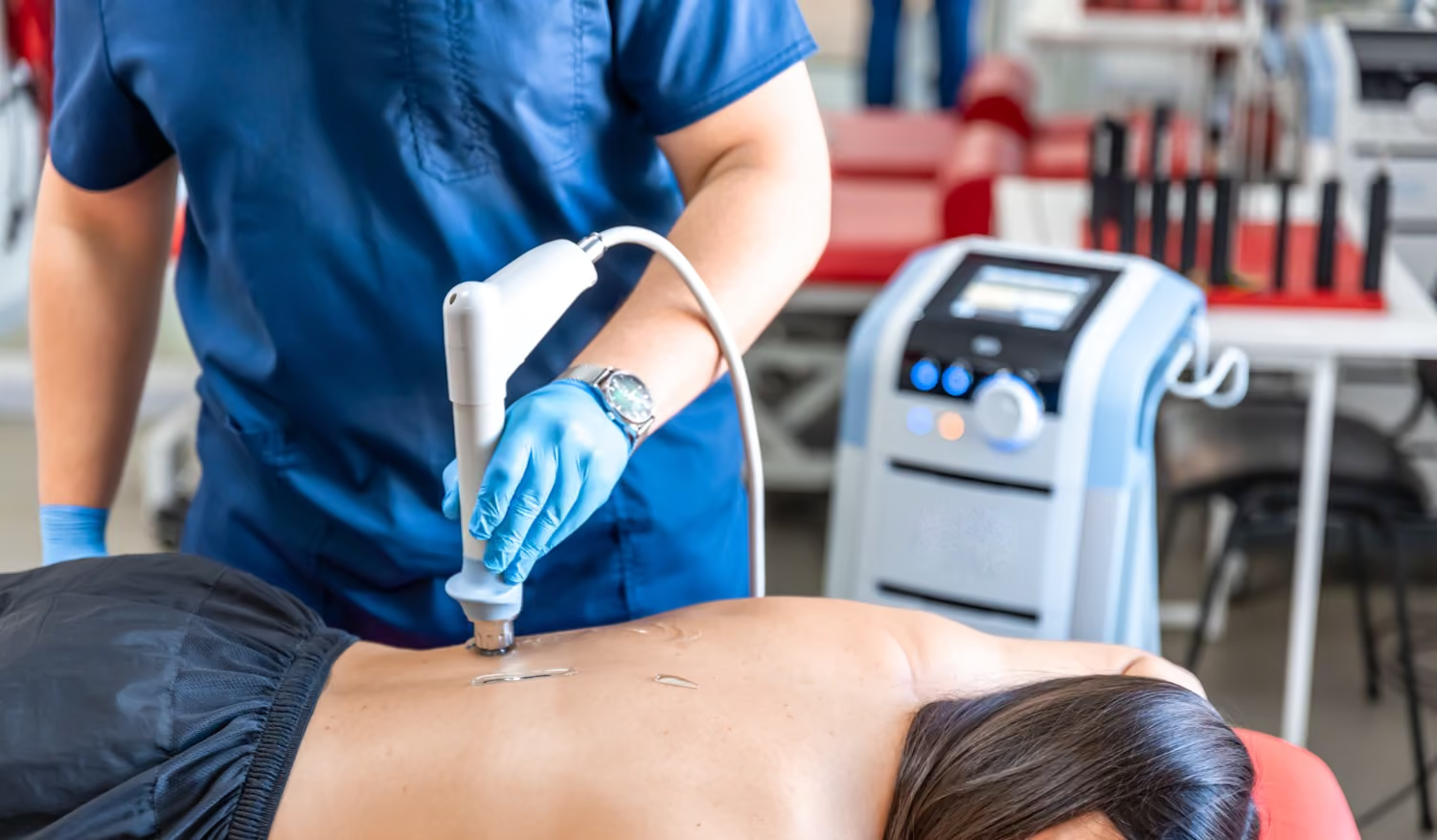
Shockwave therapy for erectile dysfunction is a non-invasive treatment that uses low-intensity acoustic waves applied to targeted areas of the penis.
The proposed mechanism is different from medications such as sildenafil or tadalafil. Rather than producing an immediate pharmacologic effect, researchers are investigating whether repeated low-intensity acoustic stimulation may influence tissue remodeling, blood-vessel formation, and circulation within penile tissue.
Clinical research has reported potential improvements in erectile function in some patient groups, but results have not been consistent enough to establish shockwave therapy as a standard ED treatment in the United States. The American Urological Association currently considers low-intensity ESWT for ED investigation.

How Does Low-Intensity Shockwave Therapy Work?
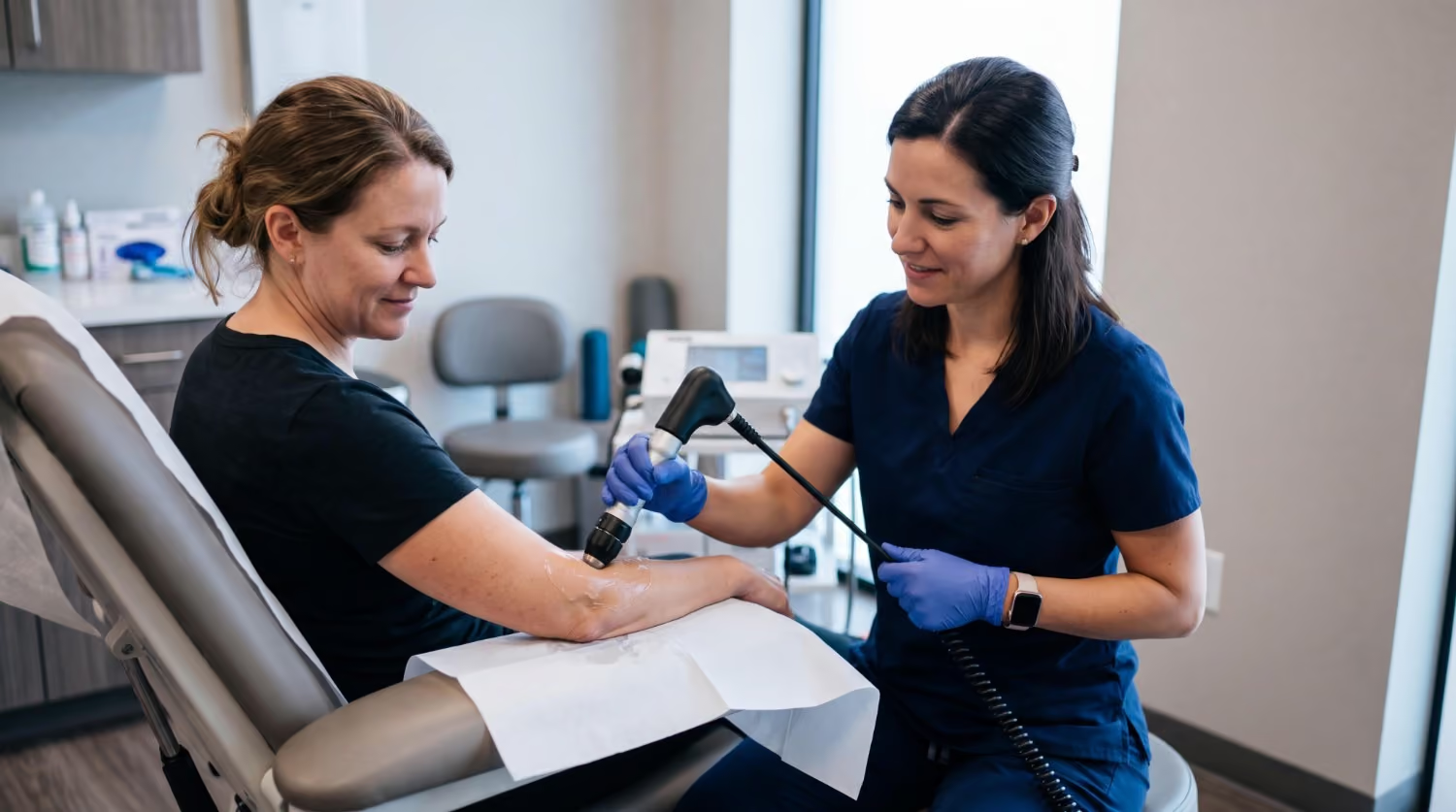
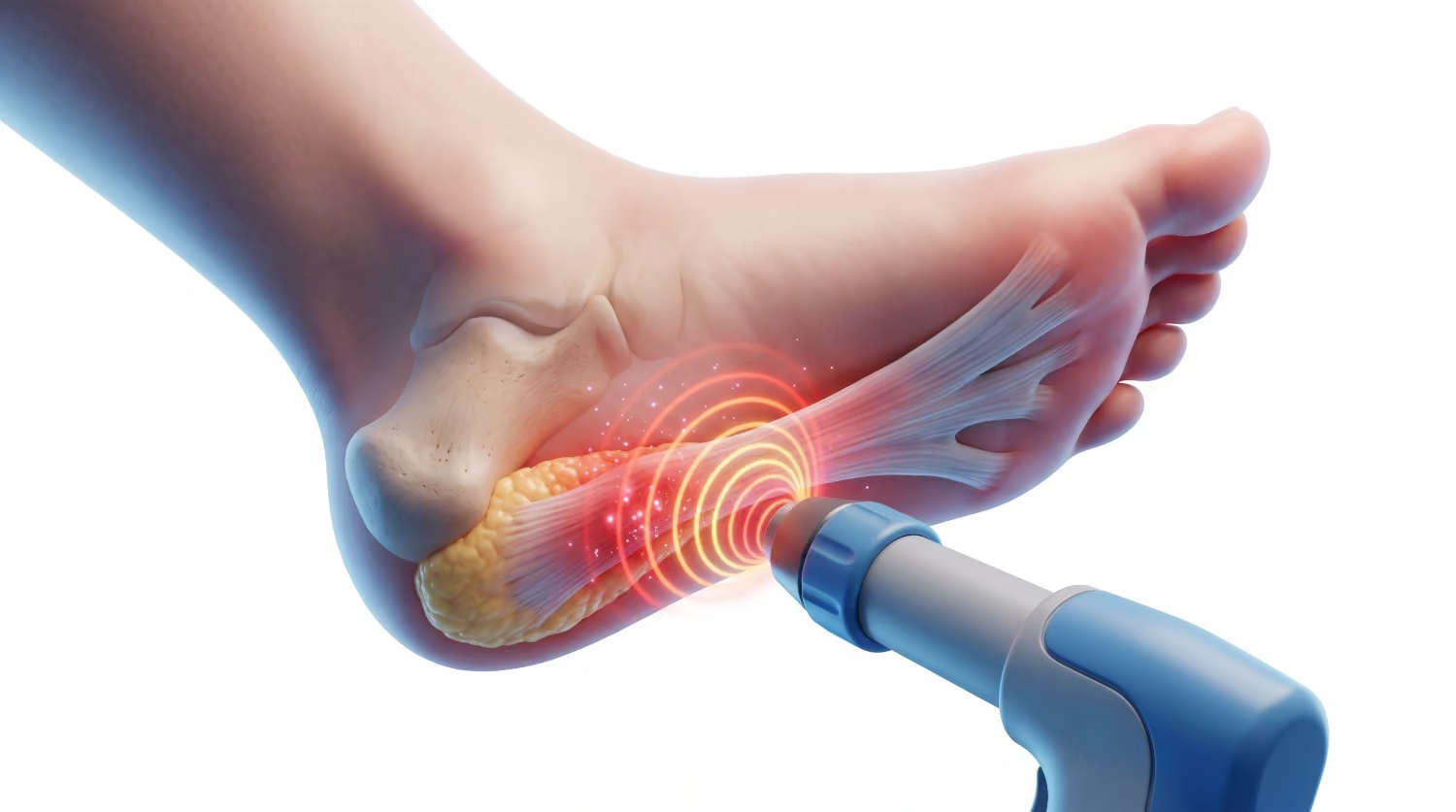
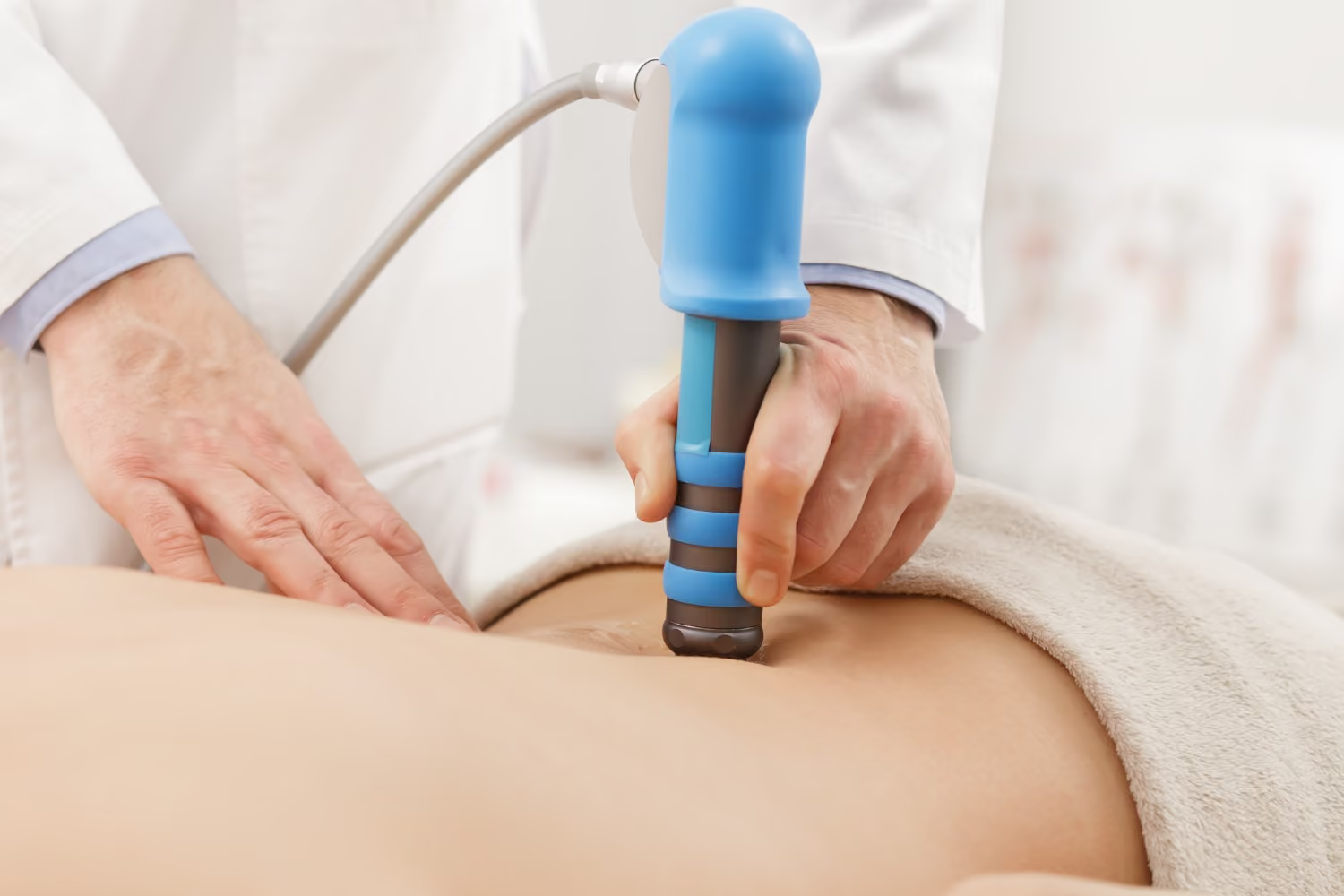
During treatment, a specialized applicator delivers controlled acoustic waves to areas of the penis. The proposed biological effects include changes in local blood flow and tissue signaling. Researchers have also investigated whether the therapy may encourage vascular remodeling and other tissue responses.
Importantly, these proposed mechanisms should not be confused with a proven ability to permanently repair or reverse erectile dysfunction. More research is needed to determine which patients may benefit, the optimal treatment protocol, and how long any benefits may last.
Who May Be Interested in Shockwave Therapy?
Men considering shockwave therapy for ED may have:
- Difficulty achieving or maintaining erections
- Suspected vascular or blood-flow-related ED
- A desire to explore non-invasive treatment approaches
- An incomplete response to conventional ED treatments
- Questions about emerging sexual wellness therapies
A medical evaluation remains important because ED can sometimes be associated with underlying cardiovascular, metabolic, hormonal, or medication-related issues. Shockwave therapy should not be presented as appropriate for every man with ED.
Is Shockwave Therapy Painful?
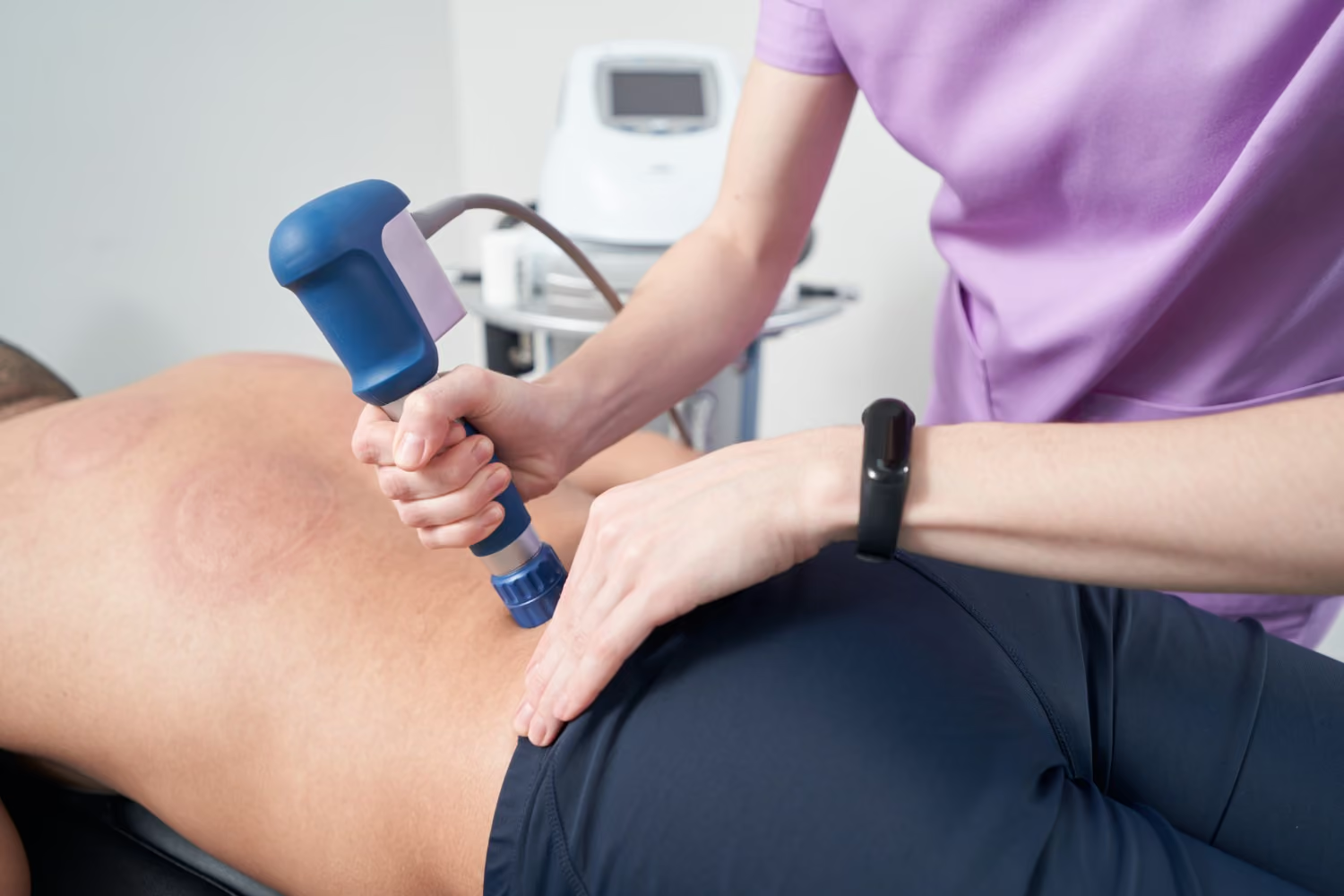
Low-intensity shockwave treatment is generally designed to be non-invasive and does not involve needles or surgical incisions.
Some patients may experience temporary discomfort or sensitivity during treatment. Your provider should explain what you may experience during the session and what to expect afterward.
Does Shockwave Therapy Cure Erectile Dysfunction?
There is currently not enough evidence to describe shockwave therapy as a guaranteed cure for ED.
Research is ongoing, and some studies have reported improvements in erectile-function measures. However, professional sexual-medicine organizations have continued to characterize restorative therapies such as Li-ESWT as investigational, while additional randomized and controlled research is needed.
For this reason, patients should be cautious about claims that shockwave therapy permanently restores normal erections, eliminates the need for medication, or reverses penile aging.

Shockwave Therapy vs. Viagra® and Cialis®
Shockwave therapy and oral ED medications work differently. Viagra® (sildenafil) and Cialis® (tadalafil) are FDA-approved prescription medications for erectile dysfunction. They work through the PDE5 pathway and are taken before or, in the case of certain tadalafil regimens, on a daily basis.
Shockwave therapy is a non-invasive physical treatment being investigated for potential effects on penile tissue and circulation.
The choice between established ED treatment and an investigational approach should take into account the available evidence, your medical history, treatment goals, and potential risks and benefits.
What If You Have Vascular ED?
Blood-flow problems are an important contributor to erectile dysfunction. Conditions such as cardiovascular disease, diabetes, high blood pressure, high cholesterol, smoking, and obesity can affect vascular health and erectile function.
Because of this connection, ED evaluation should look beyond the erection itself. Depending on your situation, your evaluation may include discussion of cardiovascular risk factors, blood pressure, blood glucose and metabolic health, cholesterol, testosterone when clinically indicated, current medications, lifestyle factors, and previous ED treatments.
Addressing underlying health factors can be an important component of comprehensive sexual health care
Patient Testimonials


.svg)
Is Shockwave Therapy FDA Approved for ED?
This distinction is important.
The AUA guideline considers low-intensity extracorporeal shockwave therapy for ED investigational, noting that the evidence has not established a reliable balance of benefits over risks and burdens. The guideline also notes that ESWT was not FDA-approved for ED at the time of its recommendation.
Patients should therefore distinguish between an acoustic-wave device being used in a medical setting and an FDA-approved indication specifically for treating erectile dysfunction.
The FDA's device database contains approvals for certain shockwave technologies used for other medical purposes, such as intravascular lithotripsy; those approvals should not be interpreted as approval of shockwave therapy for ED.

Are There Risks With Shockwave Therapy?
Because treatment protocols and devices vary, potential effects can depend on the technology and treatment parameters being used.
Patients should discuss:
- Possible discomfort
- Temporary penile sensitivity
- Skin or tissue effects
- Treatment frequency
- Expected benefits
- Available alternatives
- The investigational status of the treatment
A provider should also explain what is known versus what remains uncertain in the available clinical evidence.
What to Know About ED Treatment
Can Shockwave Therapy Be Combined With Other ED Treatments?
Potentially, but treatment combinations should be individualized. A patient may already be using an oral PDE5 inhibitor, testosterone therapy when medically indicated, or another ED treatment. Whether shockwave therapy should be considered alongside another approach depends on the patient's health history and treatment plan.
Do not stop, change, or combine prescription ED treatments without medical guidance.
A Comprehensive Approach to Erectile Dysfunction
ED is often more complicated than simply having difficulty getting an erection.
For some men, it may be associated with vascular health. For others, medications, diabetes, hormonal abnormalities, neurological conditions, psychological factors, or lifestyle issues may contribute.
A comprehensive evaluation can help determine whether established treatments such as oral medications or injectable therapy are appropriate and whether an emerging therapy such as shockwave treatment should even be considered.
Shockwave Therapy for ED in Whippany and Hazlet, NJ
Healthy Aging Medical Centers provides men's sexual wellness and erectile dysfunction care at two New Jersey locations.
Whippany Location
91 S Jefferson Rd Whippany, NJ 07981
Hazlet Location
155 Middle Rd Hazlet, NJ 07730
Men from surrounding New Jersey communities can discuss erectile dysfunction, available treatment options, and emerging therapies with a qualified healthcare provider.
Discuss Erectile Dysfunction Treatment Near You in New Jersey
If erectile dysfunction is affecting your quality of life, you have several potential treatment options. Healthy Aging Medical Centers can evaluate your sexual health and discuss established treatments as well as emerging therapies such as shockwave therapy.
Schedule an evaluation at 91 S Jefferson Rd in Whippany or 155 Middle Rd in Hazlet, NJ to discuss your options with a healthcare professional.
Frequently Asked Questions About Shockwave therapy for Erectile Dysfunction
Shockwave therapy uses low-intensity acoustic waves directed at penile tissue. It is being studied for its potential effects on blood flow and erectile function.
Some clinical studies have reported improvements in erectile-function measures, but evidence remains inconsistent. The AUA currently considers low-intensity ESWT for ED investigation.
Low-intensity shockwave therapy is not established as an FDA-approved standard treatment for ED. The AUA considers it investigational.
Treatment schedules vary. Research protocols have commonly involved multiple sessions over several weeks rather than a single treatment. Your provider should determine the appropriate protocol based on the specific therapy being offered.
The treatment is non-invasive, and some patients may experience temporary discomfort or sensitivity during or after a session.
There is not enough evidence to promise a permanent cure. Research is ongoing regarding which men may benefit and how durable any improvement may be.
A healthcare provider should determine whether treatments can appropriately be used together. Shockwave therapy and PDE5 medications work through different mechanisms.
There are different treatment approaches, and current evidence does not support declaring shockwave therapy universally superior to established ED medications. Viagra and Cialis have established FDA-approved indications for ED, whereas low-intensity ESWT remains investigational.
Shockwave therapy is not a testosterone replacement treatment and should not be marketed as a method of increasing testosterone.
Improving penile blood flow is one of the mechanisms being investigated with low-intensity shockwave therapy. However, the clinical effectiveness and appropriate patient population remain subjects of ongoing research.
Men interested in emerging ED treatment options can discuss the therapy with a qualified provider. A medical evaluation should first identify potential causes of ED and review established treatment options.
Healthy Aging Medical Centers has locations in Whippany and Hazlet, New Jersey. A provider can discuss your erectile concerns, treatment history, and whether an emerging therapy is appropriate to consider.
LEARN MORE ABOUT HEALTHY AGING




OUR LOCATIONS
With locations in Whippany, Hazlet, and Miami, we provide personalized medical, wellness, longevity, and aesthetic care designed around your individual health needs.
Healthy Aging + Private Concierge Medicine

